6 Recovery Tips for Treating Cold Shock in Houseplants
Healthy plant tissue maintains high turgor pressure; the cells are rigid and the leaves feel cool and firm to the touch. When a tropical houseplant is exposed to temperatures below 50 degrees Fahrenheit, the cellular membranes begin to lose structural integrity. This physiological collapse manifests as darkened, water-soaked patches or sudden drooping. Executing the correct steps for treating cold shock in houseplants requires immediate intervention to stabilize the rhizosphere and prevent permanent vascular damage. Delaying treatment by even twelve hours can lead to irreversible necrosis of the apical meristem. Success depends on a controlled return to homeostasis rather than a sudden spike in thermal energy.
Materials:
Recovery begins with a substrate that facilitates gas exchange while maintaining consistent moisture levels. Use a friable loam composed of 40 percent peat moss, 30 percent perlite, and 30 percent pine bark. This mixture ensures a high Cation Exchange Capacity (CEC), allowing the plant to access vital micronutrients during the recovery phase. The soil pH must be maintained between 5.8 and 6.5 for most tropical species to ensure nutrient bioavailability.
Avoid high-nitrogen fertilizers during the initial recovery period. A balanced NPK ratio of 10-10-10 or a low-dose 5-10-5 is preferred to support root development without forcing rapid vegetative growth that the compromised vascular system cannot support. Incorporate a kelp-based supplement to provide cytokinins, which assist in cellular repair. Ensure all water used for irrigation is exactly 68 to 72 degrees Fahrenheit to avoid further thermal stress to the root hairs.
Timing:
Most houseplants are native to USDA Hardiness Zones 10 through 12, where temperatures rarely dip below 60 degrees Fahrenheit. The biological clock of these plants is tuned to consistent photoperiods and stable thermoperiods. Cold shock disrupts the transition from the vegetative stage to the dormant stage, often tricking the plant into a state of premature senescence.
In temperate regions, the risk for cold shock is highest during the transition windows of late October and early March. If a plant is exposed to a frost event, the first 24 hours are critical for stabilization. The recovery process can take six to eight weeks. During this time, the plant must be kept in a "stasis zone" with a constant temperature of 65 to 75 degrees Fahrenheit. Do not attempt to induce a reproductive stage (flowering) until the plant has shown at least three inches of new, healthy vegetative growth.
Phases:
Sowing and Soil Preparation
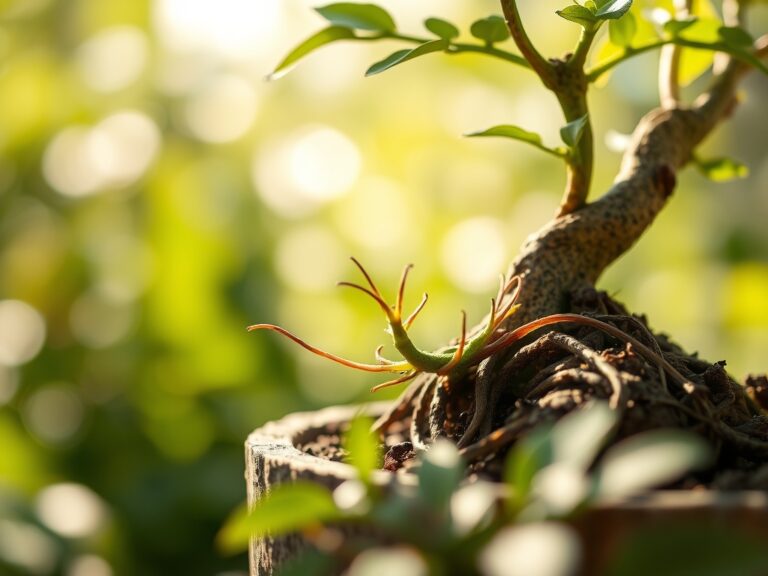
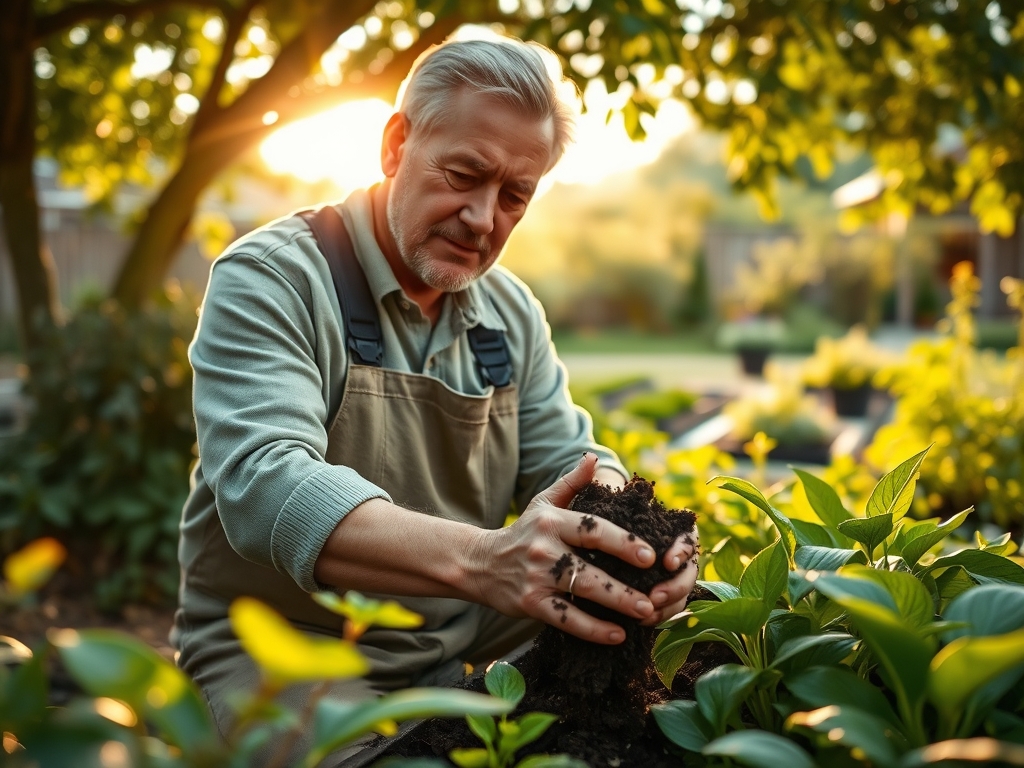
If the cold shock has resulted in root rot due to secondary fungal infections, you must repot the plant immediately. Remove the specimen from its container and inspect the root architecture. Healthy roots are white and firm; compromised roots are brown and mushy. Trim damaged roots using sterilized bypass pruners.
Pro-Tip: Maintaining an aerated rhizosphere is essential because oxygen is a limiting factor in root respiration. When roots are cold-stressed, their metabolic rate drops, and anaerobic conditions can lead to the buildup of ethanol and lactic acid within the tissue.
Transplanting to a Recovery Zone
Move the plant to a location with bright, indirect light. Avoid direct southern exposure, as the increased transpiration demand will overwhelm the damaged xylem. The goal is to minimize the vapor pressure deficit (VPD) between the leaf surface and the surrounding air.
Pro-Tip: High humidity reduces the transpiration rate, allowing the plant to maintain turgor pressure even if the root system is partially non-functional. This is due to the reduction in the water potential gradient between the stomata and the atmosphere.
Establishing New Growth
Once the plant has stabilized, monitor the nodes for new axillary bud development. Do not prune away dead foliage until you are certain the tissue is completely necrotic. The plant may still be translocating mobile nutrients like phosphorus and magnesium from the dying leaves to the new growth points.
Pro-Tip: Auxin suppression occurs when the apical dominance is lost due to cold damage. This often results in "bushier" growth as the plant redirects energy to lateral buds. This is a survival mechanism to maximize photosynthetic surface area after a trauma event.
The Clinic:
Symptom: Interveinal Chlorosis
Solution: This is often a sign of magnesium deficiency caused by the roots' inability to uptake ions in cold soil. Apply a solution of 1 tablespoon of Epsom salts per gallon of water to the soil.
Symptom: Leaf Abscission (Sudden Leaf Drop)
Solution: This is a hormonal response to stress. The plant is shedding "expensive" tissue to preserve the core. Increase humidity to 60 percent and maintain a strict 12-hour light cycle to stabilize the internal circadian rhythm.
Symptom: Edema (Water-soaked spots)
Solution: This occurs when the roots take up water faster than the leaves can transpire it, causing cells to rupture. Reduce watering frequency and improve air circulation using a small oscillating fan.
Fix-It: Nitrogen Chlorosis
If the older leaves are turning a uniform pale yellow, the plant is likely experiencing nitrogen deficiency. Apply a water-soluble 10-10-10 fertilizer at half-strength. Nitrogen is essential for the production of chlorophyll; without it, the plant cannot convert light into the chemical energy needed for repair.
Maintenance:
Precision is the hallmark of recovery. Use a soil moisture meter to ensure the substrate remains at a "Level 4" (moist but not saturated). For a standard six-inch pot, provide approximately 0.75 cups of water twice per week, or enough to maintain 1.5 inches of moisture depth. Always apply water at the soil line to avoid wetting the foliage, which can invite Botrytis cinerea in weakened plants.
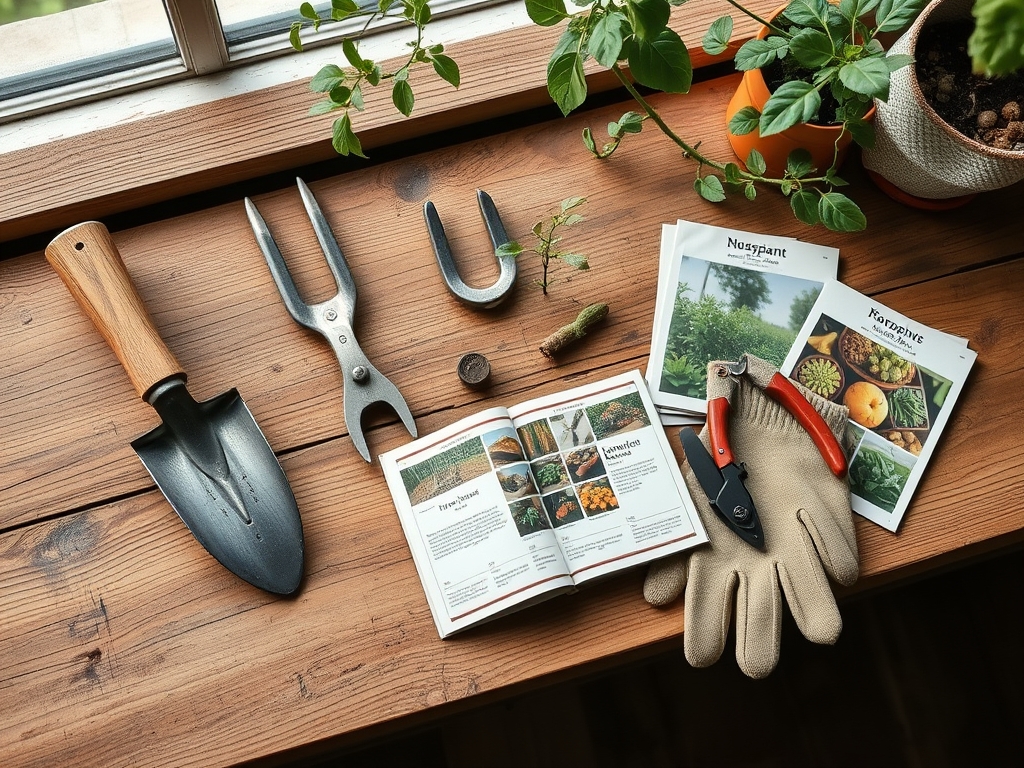
Use a hori-hori knife to gently probe the soil every two weeks to check for compaction. If the soil feels dense, use the knife to create small vertical aeration shafts. If you must remove dead stems, use bypass pruners to make clean, 45-degree angle cuts just above a healthy node. This prevents water from pooling on the cut surface and reduces the risk of pathogens entering the vascular system.
The Yield:
While most houseplant recovery focuses on foliage, for those growing indoor citrus or herbs, the "yield" is the return of fruit or leaf production. Harvest only when the plant has regained 80 percent of its original canopy density. When harvesting herbs like basil or mint after a cold snap, use sharp scissors to snip just above the second set of leaves. To maintain "day-one" freshness for harvested cuttings, submerge the stems in 40-degree Fahrenheit water immediately and store them in a high-humidity crisper drawer. This slows down the metabolic degradation of essential oils and sugars.
FAQ:
How long does it take for a plant to recover?
Recovery typically requires six to eight weeks. During this period, the plant focuses on repairing cellular membranes and restoring root function. Do not expect new leaf production until the internal hormonal balance, specifically the ratio of auxins to cytokinins, is restored.
Should I fertilize a cold-shocked plant immediately?
No. Avoid fertilizing for the first 14 days. Adding salts to the rhizosphere can cause osmotic stress, further dehydrating the compromised cells. Wait until you see signs of new growth before introducing a low-dose, balanced NPK fertilizer.
Can I use a space heater to warm the plant?
Avoid direct heat sources. Space heaters create extremely low humidity, which increases the vapor pressure deficit and leads to rapid desiccation. Instead, use a waterproof seedling heat mat set to 70 degrees Fahrenheit to gently warm the root zone.
Should I cut off all the brown leaves?
Wait until the leaves are completely dry and brittle. If the leaf is still soft, the plant may be reabsorbing mobile nutrients. Removing tissue too early creates open wounds that the plant must expend energy to seal via suberization.