7 Best Plant Hangers for Secure Ceiling Installation
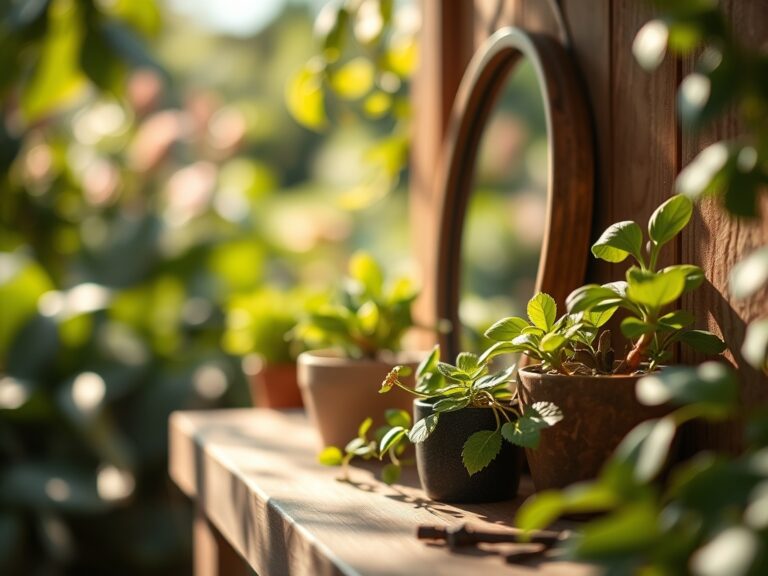
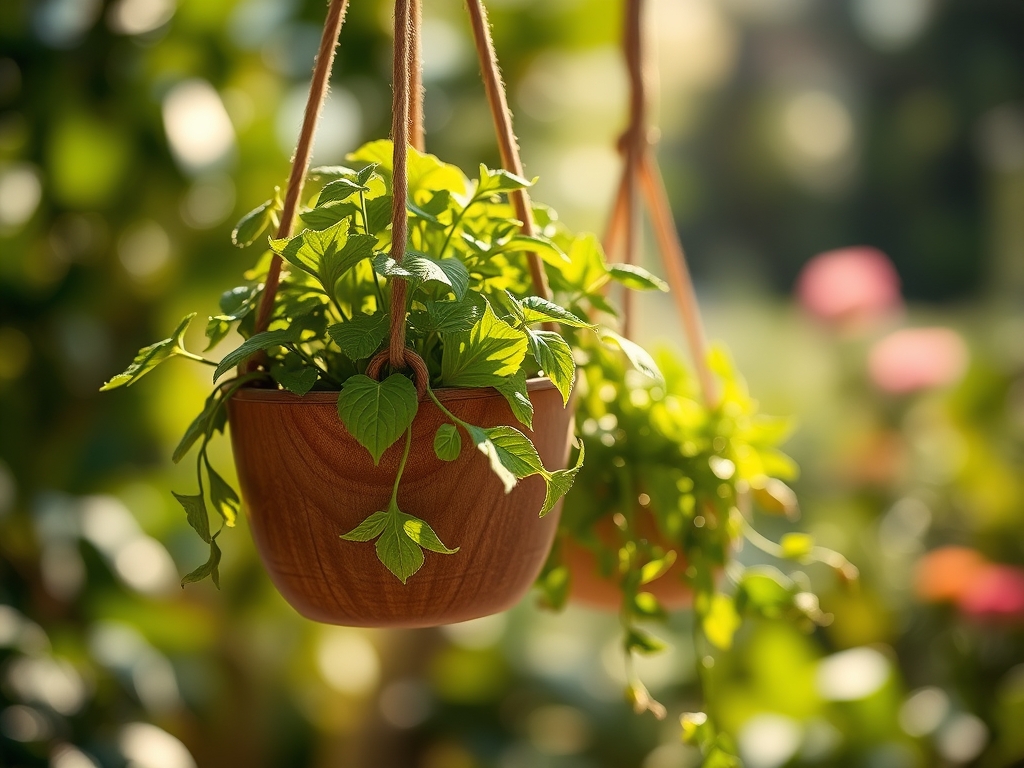
The morning sun angles through your window and strikes the trailing pothos you suspended last month. The cascade of heart-shaped leaves filters light into shifting green patterns across your floor. You installed the best plant hangers for ceiling hooks after three failed attempts with flimsy hardware, and now 18 pounds of saturated soil and foliage hangs securely overhead. Proper installation transforms indoor gardening from a shelf-bound hobby into a three-dimensional ecosystem where epiphytes and vining species occupy unused vertical space.
Materials
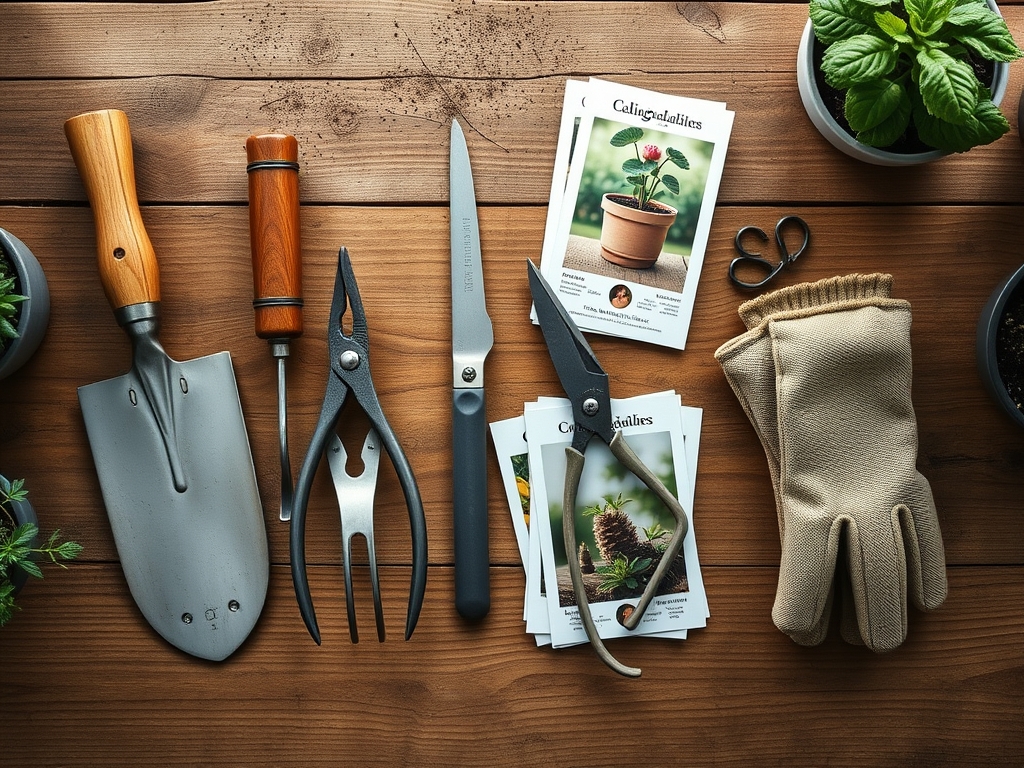
Swivel Hooks (Stainless Steel 304 Grade)
Load capacity reaches 50 pounds when anchored into ceiling joists. The swivel mechanism prevents rope or chain twist, reducing stress on vascular tissue as plants reorient toward light sources. Install with 3-inch lag screws into solid wood. Ceiling drywall alone supports maximum 10 pounds with toggle anchors.
Macrame Cotton Rope (4mm Diameter)
Natural fiber withstands 35 pounds tension when dry. Cotton maintains neutral pH (7.0) and does not leach chemicals into substrate during watering. Synthetic polypropylene rope tolerates moisture better but may release volatile organic compounds under high humidity. Breaking strength decreases 15% annually with UV exposure.
Toggle Bolt Anchors (1/4-inch)
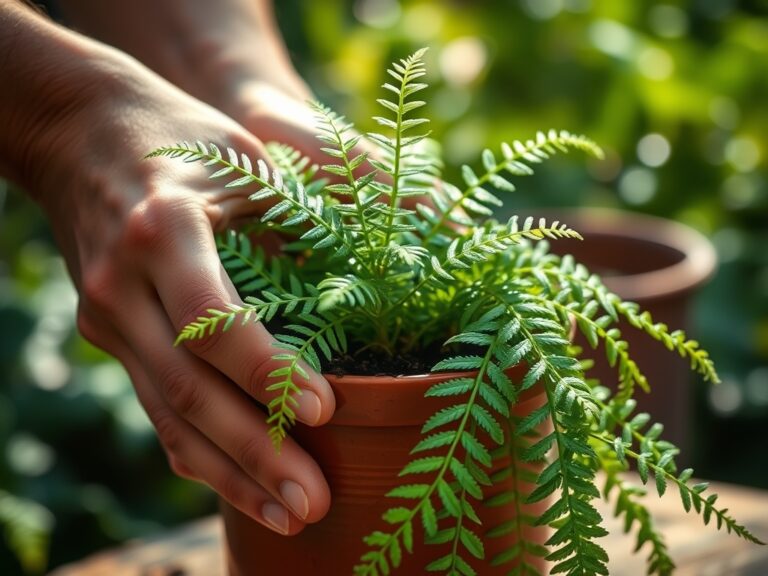
Spring-loaded wings distribute weight across 4 square inches of drywall. Maximum safe load: 10 pounds including pot, soil, and plant biomass. Suitable for small ferns (Nephrolepis exaltata) or succulents in 4-inch terracotta containers. Soil moisture content affects total weight by 30-40%.
Ceiling Joist Hangers (Zinc-Plated Steel)
Direct wood-to-metal contact provides 75-pound capacity. Use a stud finder to locate joists spaced 16 or 24 inches on center. These hangers accommodate large specimens like Monstera deliciosa or Philodendron bipinnatifidum in 12-inch nursery pots with 8-4-6 NPK slow-release substrate amendments.
Adjustable Pulley Systems
Ratcheting mechanisms allow vertical repositioning without unhooking. Lower plants for pruning, pest inspection, or cation exchange capacity testing. Polycarbonate construction resists corrosion in high-humidity environments (60-80% relative humidity). Load rating: 40 pounds.
S-Hooks (Forged Iron)
Simple geometry transfers weight efficiently. Use 3/8-inch diameter for pots up to 25 pounds. Iron oxidizes in moist conditions, creating a patina that stabilizes after initial rust formation. Powder-coated variants maintain aesthetics in visible installations.
Chain Links (Brass or Stainless)
Adjust hanging height in 1-inch increments. Brass resists tarnish and supports auxin distribution research by maintaining consistent light gradients. Stainless steel grade 316 tolerates salt spray in coastal climates. Link thickness of 2mm holds 30 pounds.
Timing
Install ceiling hangers during low-humidity months (October through March in Zones 6-8). Drywall and plaster cure more predictably below 50% relative humidity. Anchor integrity improves when substrate moisture content stabilizes.
Spring installation (March-May) aligns with peak growth phases. Increased auxin production in apical meristems during 14-hour photoperiods accelerates vine extension. Plants establish root-to-shoot ratios before summer heat stress.
Avoid installation during active heating seasons when ceiling joists expand and contract. Thermal cycling in wood framing creates 1/16-inch dimensional changes that loosen lag screws over 90-day periods.
Phases

Sowing and Selection
Choose species with mature weights under hardware capacity. Epiphytic orchids (Phalaenopsis) in bark media weigh 3-5 pounds. Pothos (Epipremnum aureum) in standard potting mix reaches 12 pounds after two years.
Calculate total weight: container (0.5-2 lbs) + dry substrate (1-4 lbs) + plant biomass (1-15 lbs) + water (30% of substrate weight). A 10-inch pot with moist soil averages 18 pounds.
Pro-Tip: Inoculate substrate with Rhizophagus irregularis (mycorrhizal fungi) at 0.5 oz per gallon. Fungal hyphae extend root absorption surface area by 700%, reducing watering frequency and total suspended weight.
Transplanting
Anchor ceiling hooks 48 hours before hanging plants. Test weight capacity with sandbags matching calculated loads. Lag screws settle into wood grain under sustained pressure.
Use lightweight substrates: 50% coconut coir, 30% perlite, 20% worm castings (NPK 1-0-0). This mix weighs 40% less than peat-based media while maintaining cation exchange capacity above 25 meq/100g.
Pro-Tip: Prune roots at 30-degree angles during transplant. Angled cuts expose more cambium tissue, accelerating adventitious root formation by 18-21 days compared to blunt cuts.
Establishing
Monitor soil moisture with a tensiometer. Maintain 20-30 kPa tension for tropical species, 40-60 kPa for succulents. Overhead watering increases suspended weight by 35% temporarily.
Rotate hanging plants 90 degrees weekly. Gravitropism and phototropism compete in suspended specimens. Rotation prevents auxin accumulation on one side, maintaining symmetrical growth.
Pro-Tip: Install drip trays with 1-inch rims. Overflow during watering adds 2-3 pounds instant load. Silicone trays flex without cracking and weigh 0.3 pounds.
Troubleshooting
Symptom: Ceiling Cracks Near Anchor Point
Solution: Weight exceeds drywall capacity. Relocate to joist anchor within 72 hours. Cracks propagate under sustained load. Repair drywall with joint compound and fiberglass mesh before repainting.
Symptom: Rope Fraying at Contact Points
Solution: UV degradation or abrasion against metal hardware. Wrap contact zones with leather strips or rubber tubing. Replace rope annually in south-facing windows. Tensile strength drops below safe thresholds after 18 months.
Symptom: Plant Leaning Persistently One Direction
Solution: Phototropism overcomes hanging symmetry. Increase rotation frequency to twice weekly or install supplemental grow lights (5000K spectrum, 200 foot-candles) on the shaded side.
Symptom: Hardware Corrosion
Solution: High humidity (above 70%) accelerates oxidation. Apply food-grade mineral oil to steel components monthly. Replace corroded S-hooks immediately; rust pitting reduces load capacity by 50%.
Symptom: Substrate Drying Faster Than Expected
Solution: Convection currents near ceiling increase evapotranspiration by 40%. Lower plant 6-12 inches or mist foliage daily. Add hydrogel crystals at 1 tsp per quart of soil to buffer moisture fluctuations.
Maintenance
Water when substrate weight decreases to 60% of saturated mass. A 10-inch pot drops from 18 pounds (wet) to 11 pounds (dry). Lift pots before watering to calibrate weight perception.
Apply liquid fertilizer at 1/4 strength weekly during active growth (20-20-20 NPK diluted to 50 ppm nitrogen). Monthly application of kelp extract (0-0-1 NPK plus trace minerals) supports stress tolerance.
Inspect hardware quarterly. Tighten lag screws if ceiling material shows compression. Check rope for abrasion every 6 months. Prune dead foliage to reduce wind resistance and suspended weight.
Clean dust from leaves monthly using damp microfiber cloth. Dust layers block 30% of photosynthetically active radiation, reducing carbohydrate production.
FAQ
What weight can standard drywall anchors hold?
Toggle bolts support 10 pounds maximum. Use joist anchors for plants exceeding this limit. Factor in water weight after irrigation.
How often should I replace hanging hardware?
Inspect annually. Replace rope every 18 months, metal components every 3-5 years depending on humidity exposure and corrosion signs.
Can I hang plants above high-traffic areas?
Use redundant attachment points for loads above 15 pounds. Install secondary safety cables rated 50% above primary hardware capacity.
What spacing prevents overcrowding?
Maintain 24-inch minimum distance between hanging plants. This allows air circulation and prevents competition for overhead light reaching lower specimens.
Do hanging plants need different fertilizer ratios?
Use higher potassium formulas (10-10-20 NPK) to strengthen vascular tissue against gravitational stress. Increased lignin production supports stem integrity in suspended growth.