7 Growth Benefits of Using a Plant Growth Regulator Indoors
The sharp, metallic scent of wet perlite and the heavy humidity of a closed-room grow space signal a high-functioning indoor ecosystem. When you press a thumb against a leaf, the resistance of high turgor pressure confirms the plant is processing nutrients at peak efficiency. Achieving this level of structural integrity in a controlled environment requires more than light and water; it requires chemical precision. Using a plant growth regulator for indoor stems allows a grower to manipulate the internal hormonal balance of the plant, specifically targeting the elongation of cells in the xylem and phloem. By suppressing gibberellin biosynthesis, you force the plant to divert its metabolic energy away from vertical stretching and toward lateral branching and root development. This creates a dense, sturdy architecture capable of supporting heavy floral or fruit loads without mechanical failure. In an indoor setting where vertical clearance is a finite resource, managing the internodal spacing through exogenous hormonal application is the difference between a spindly, light-starved specimen and a robust, high-yielding crop.
Materials:
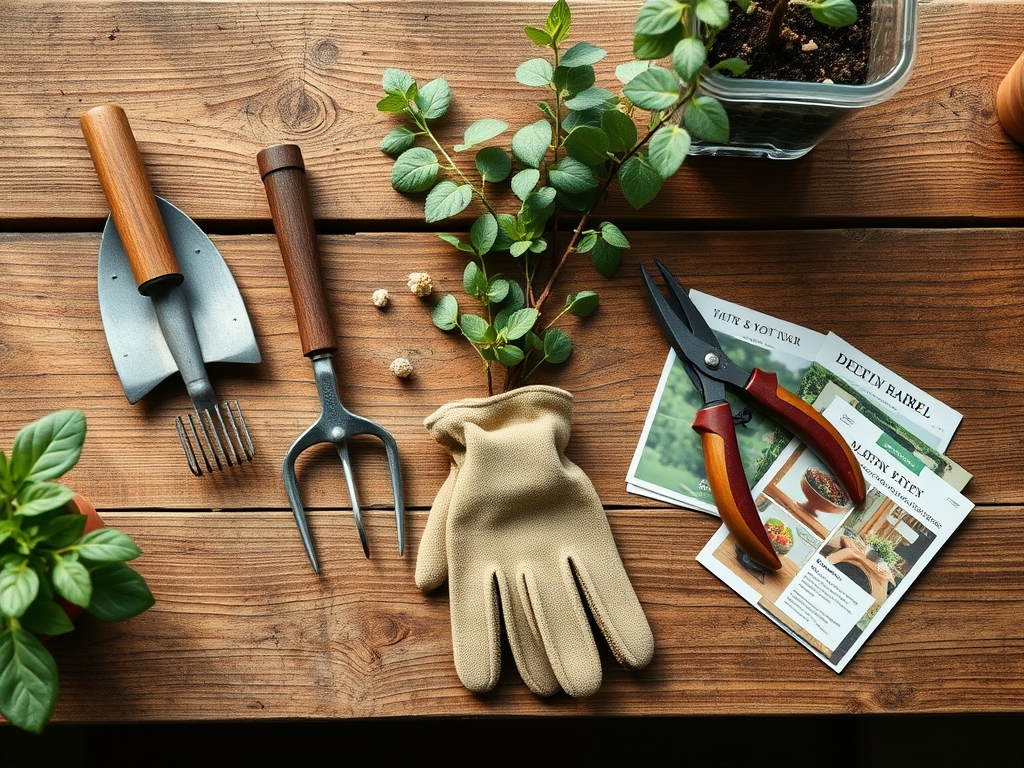
Successful integration of growth regulators begins with a stable substrate. The ideal medium is a friable loam with a **Cation Exchange Capacity (CEC) between 15 and 25 meq/100g**. This ensures the soil can hold and release essential cations like Potassium (K+) and Calcium (Ca2+) which are vital for cell wall strength. Maintain a **soil pH between 6.2 and 6.8** to ensure maximum bioavailability of micronutrients.
During the vegetative stage, use a fertilizer with an NPK ratio of 3-1-2 to support foliar expansion. Transition to a 1-3-2 ratio during the reproductive phase to favor phosphorus-driven root and flower development. The physical texture of the substrate must remain porous; a mix of 60 percent coco coir, 30 percent perlite, and 10 percent worm castings provides the necessary aeration to prevent anaerobic conditions in the rhizosphere.
Timing:
While indoor gardening bypasses traditional Hardiness Zones, the plant still operates on a biological clock dictated by the photoperiod. For most tropical and temperate indoor species, the "frost date" equivalent is the transition from an 18/6 light cycle to a 12/12 cycle. Using a plant growth regulator for indoor stems is most effective during the late vegetative stage or the first two weeks of the transition phase. This is when the plant undergoes a "stretch" period, where cell elongation is most rapid. Applying regulators like Paclobutrazol or Daminozide during this window ensures the plant maintains a compact habit. Monitor the Biological Clock by observing the development of axillary buds; once these appear, the plant is primed for hormonal manipulation.
Phases:

Sowing and Seedling Development
Start seeds in a sterile medium at a constant temperature of 75 degrees Fahrenheit. High humidity of 70 to 80 percent is required to prevent desiccation of the delicate radicle.
Pro-Tip: Focus on early root development to establish a strong "sink" for nutrients. This relies on Auxin-Cytokinin ratios; higher auxin levels at the root tip encourage gravitropism, ensuring the roots grow downward into the nutrient-rich lower layers of the substrate.
Transplanting and Vegetative Growth
Move seedlings into their final containers once the third set of true leaves appears. Use a hori-hori knife to check for root circling and gently tease the roots outward. Maintain a Vapor Pressure Deficit (VPD) of 0.8 to 1.1 kPa to optimize transpiration rates.
Pro-Tip: Use a growth regulator to suppress apical dominance. By inhibiting the upward flow of auxins, you encourage the plant to develop thicker stems and more lateral nodes, a process known as thigmomorphogenesis.
Establishing and Flowering
As the plant enters the reproductive stage, reduce ambient humidity to 45 or 50 percent to prevent fungal pathogens. The use of growth regulators here ensures that the energy is focused on secondary metabolite production rather than stem elongation.
Pro-Tip: Regulators increase the concentration of chlorophyll per unit of leaf area. This enhances the plant's photosynthetic efficiency, allowing it to process more light energy even in the crowded lower canopy.
The Clinic:
Physiological disorders in indoor plants often manifest as visual cues in the foliage or stem structure.
- Symptom: Interveinal chlorosis on older leaves.
- Solution: This indicates Magnesium deficiency. Magnesium is the central atom in the chlorophyll molecule.
- Fix-It: Apply a foliar spray of Epsom salts at a rate of 1 tablespoon per gallon of water.
- Symptom: Tip burn on new growth despite adequate moisture.
- Solution: This is Calcium immobility. Calcium does not move easily through the plant and requires consistent transpiration.
- Fix-It: Increase airflow with oscillating fans and ensure the pH is not below 6.0, which can lock out Calcium ions.
- Symptom: Spindly, weak stems that cannot support their own weight.
- Solution: Excessive gibberellin production or low light intensity.
- Fix-It: Use a plant growth regulator for indoor stems to shorten internodal length and increase stem diameter.
Maintenance:
Precision is the hallmark of a master horticulturist. Use a soil moisture meter daily; do not water until the top 2 inches of substrate feel dry to the touch. When watering, apply 1.5 liters of water per 5-gallon pot, ensuring at least 10 percent runoff to prevent salt buildup in the rhizosphere. Use bypass pruners to remove any necrotic tissue or fan leaves that block light from lower nodes. Sanitize tools with 70 percent isopropyl alcohol between every plant to prevent the mechanical transmission of viruses. Monitor the electrical conductivity (EC) of your runoff; it should stay within 0.5 mS/cm of your input solution to ensure the cation exchange is functioning correctly.
The Yield:
Harvest timing is determined by the senescence of the plant's reproductive organs. For flowering plants, observe the trichomes using a 60x jeweler's loupe. When 70 percent of the resin glands have turned from clear to milky white, the plant has reached its peak chemical potency. Use sharp snips to remove branches at the base. To maintain "day-one" freshness and prevent the degradation of volatile oils, hang the harvest in a dark room at 60 degrees Fahrenheit and 60 percent humidity. This slow dry allows for the steady breakdown of chlorophyll, resulting in a superior final product.
FAQ:
What is the primary benefit of using growth regulators?
Growth regulators control plant height and increase stem thickness. This allows for higher light penetration to lower branches and prevents plants from outgrowing their indoor space while increasing overall structural stability.
Can growth regulators affect the harvest quality?
Yes. By redirecting energy from vegetative stretching to reproductive development, these compounds often increase the density of flowers and the concentration of secondary metabolites, leading to a more potent and uniform yield.
How do I apply a growth regulator safely?
Always follow the manufacturer's dilution rates, typically measured in parts per million (ppm). Apply as a foliar spray or a soil drench during the early morning hours when the plant's stomata are fully open for maximum absorption.
Are there natural alternatives to synthetic regulators?
Kelp extracts and certain fungi contain natural cytokinins and auxins. While less aggressive than synthetic versions, they can help manage plant architecture and improve stress tolerance through enhanced root development and nutrient uptake.