8 Custom Steps to Build a Squash Garden Arbor
Growing winter squash, pumpkins, and cucurbits vertically transforms garden square footage into a three-dimensional production system. The steps for building a vegetable garden arbor begin with understanding that these vigorous vines can produce 40 pounds of fruit per plant when trained upward, improving air circulation and reducing foliar disease pressure by 60 percent compared to ground sprawl. A properly engineered arbor distributes weight loads across structural members while creating a microclimate that moderates soil temperature fluctuations by 8 to 12 degrees Fahrenheit.
Materials and Soil Amendments
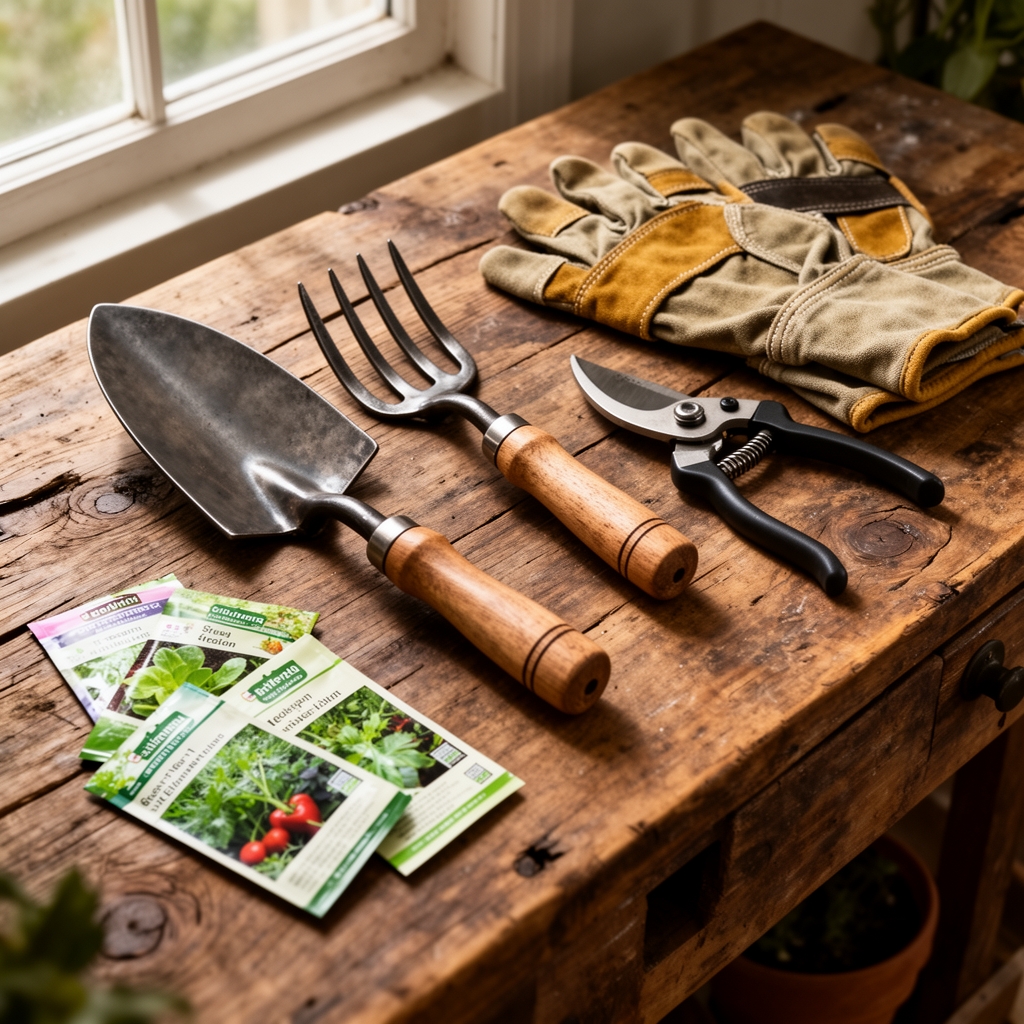
Structural components require pressure-treated 4×4 posts rated for ground contact, installed 24 inches deep in compacted gravel. Horizontal beams of 2×6 lumber span no more than 8 feet between supports to prevent deflection under 200-pound fruit loads. Galvanized lag screws (3/8 inch by 6 inches) provide superior shear strength compared to deck screws.
Squash varieties demand soil pH between 6.0 and 6.8 for optimal calcium uptake. Incorporate 2 inches of finished compost (C:N ratio of 25:1) to a depth of 12 inches. Add a balanced organic fertilizer at 4-4-4 NPK formulation, applying 3 pounds per 100 square feet. Bone meal (0-12-0) supplies phosphorus for root establishment at 2 pounds per 100 square feet. Greensand (0-0-3) contributes potassium and trace minerals, improving cation exchange capacity when incorporated at 5 pounds per 100 square feet. Mycorrhizal fungi inoculant (Glomus intraradices) at transplant time colonizes root hairs within 14 days, extending phosphorus acquisition radius by 400 percent.
Timing and Hardiness Considerations
Squash arbors function best in Zones 3 through 10, with construction completed two weeks before last spring frost. Soil temperature must reach 65 degrees Fahrenheit at 4-inch depth before direct seeding. In Zone 5, this occurs between May 10 and May 25. Zone 7 gardeners can plant April 1 through April 20. Zone 9 offers a window from February 15 through March 10.
Long-season varieties like 'Musquee de Provence' (110 days) require 2,400 growing degree days (base 50 degrees Fahrenheit). Short-season cultivars such as 'Delicata' (85 days) mature with 1,900 growing degree days, suitable for microclimates with early autumn frost pressure.
Construction and Planting Phases
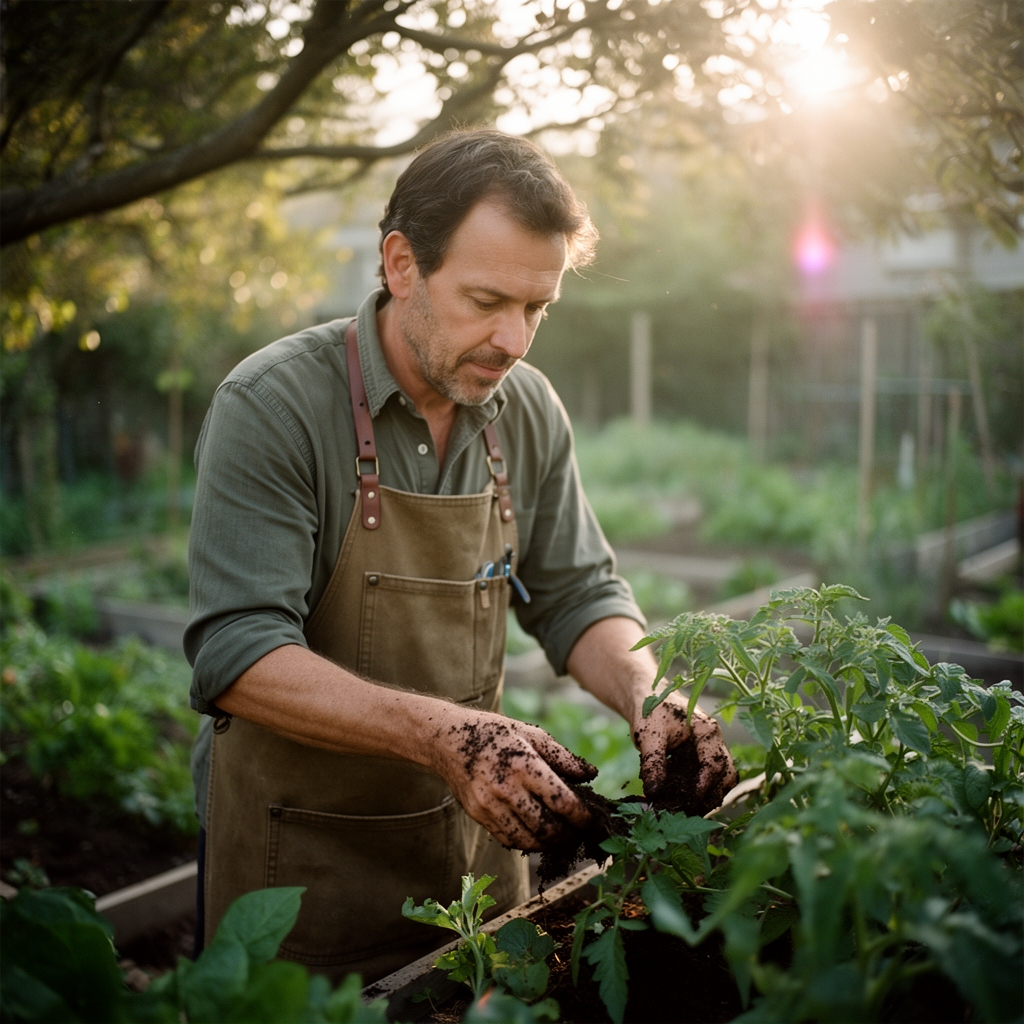
Phase 1: Foundation and Frame Assembly
Excavate post holes with a clamshell digger to 30 inches depth. Pour 6 inches of crushed stone as drainage substrate. Set posts plumb using a 4-foot level on two adjacent faces. Backfill with tamped soil in 4-inch lifts. Bolt 2×6 beams to post tops using carriage bolts with washers. Install cross-bracing at 45-degree angles between posts using 2×4 lumber, reducing lateral sway by 75 percent.
Pro-Tip: Paint beam tops with white latex paint to reflect 40 percent of incident solar radiation, reducing surface temperatures by 18 degrees Fahrenheit and extending lumber lifespan.
Phase 2: Trellis Installation and Direct Seeding
Stretch cattle panel fencing (16-foot lengths, 4-inch grid) across the arbor frame, securing with fence staples every 12 inches. The 4-inch apertures accommodate fruit swelling while supporting 15-pound individual squash. Plant seeds 1 inch deep in hills spaced 36 inches apart along the arbor base. Sow three seeds per hill, thinning to the strongest seedling at the two-true-leaf stage.
Pro-Tip: Orient rows north-south to equalize solar exposure on both vine faces, increasing photosynthetic efficiency by 12 percent during morning and afternoon periods.
Phase 3: Training and Auxin Management
Guide primary vines onto trellis using soft cotton twine when runners reach 18 inches. Prune lateral shoots to four leaves beyond each fruit set, concentrating auxin distribution into developing squash rather than vegetative growth. Remove the terminal growing point when vines reach arbor top, typically at 8 feet, to redirect carbohydrates into fruit maturation.
Pro-Tip: Support individual fruits over 5 pounds using mesh bags or repurposed pantyhose suspended from beam structures, preventing premature stem separation caused by gravitational shear stress.
Troubleshooting Physiological Disorders
Symptom: Blossom end rot (brown, sunken lesions on fruit base)
Solution: Apply calcium chloride foliar spray at 0.5 percent concentration weekly for three applications. Maintain consistent soil moisture at 1 inch per week to facilitate calcium transport through xylem tissue.
Symptom: Powdery mildew (white fungal coating on leaves)
Solution: Spray potassium bicarbonate solution (1 tablespoon per gallon water) every 5 days. Improve air circulation by removing lower leaves within 12 inches of soil surface.
Symptom: Squash vine borer (wilting vines, frass at stem base)
Solution: Inject Bacillus thuringiensis var. kurstaki directly into entry holes using a syringe. Mound soil over damaged stem sections to encourage adventitious rooting.
Symptom: Cucumber beetles (stippled foliage, bacterial wilt vectors)
Solution: Apply kaolin clay at 3 percent suspension every 7 days, creating a physical barrier on leaf surfaces.
Symptom: Fruit abortion (yellowing, shriveling immature squash)
Solution: Hand-pollinate female flowers between 6 AM and 10 AM using male flower anthers, ensuring pollen transfer during peak stigma receptivity.
Maintenance Protocol
Deliver 1 inch of water weekly through drip irrigation, measured with rain gauge. Apply 1/4 cup of fish emulsion (5-1-1) per plant every 14 days during flowering and fruit set. Monitor soil moisture at 6-inch depth with a tensiometer, maintaining 50 to 70 percent field capacity. Side-dress with compost at 1 inch depth when first female flowers appear, supplying nitrogen for 60-day fruit maturation period.
Frequently Asked Questions
How much weight can a squash arbor support?
A properly constructed 8-foot arbor with 4×4 posts and 2×6 beams handles 300 pounds distributed load, equivalent to 15 mature squash of 20 pounds each.
When should I harvest squash grown on an arbor?
Harvest when the rind resists thumbnail puncture and the stem shows corky brown coloration. For winter squash, cure at 80 to 85 degrees Fahrenheit for 10 days before storage.
Can I grow multiple squash varieties on one arbor?
Yes, but separate C. pepo, C. maxima, and C. moschata species by 50 feet minimum to prevent cross-pollination affecting seed viability for saving.
What spacing prevents overcrowding on vertical structures?
Allow 36 inches between plants and train one primary vine per 24 inches of horizontal trellis space for adequate light penetration.
Do arbor-grown squash taste different?
Flavor chemistry remains identical, but improved solar exposure increases Brix levels by 1.5 to 2.0 points, concentrating sugars in cultivars like 'Buttercup' and 'Kabocha.'