8 Fragrant Steps for Pruning an Indoor Jasmine Vine
The scent of damp peat moss and the sharp, medicinal aroma of crushed foliage signal a healthy indoor growing environment. When you press a leaf between your thumb and forefinger, the resistance you feel is turgor pressure, a direct indicator of the plant's hydraulic health. Managing a Jasminum polyanthum or Jasminum officinale within the confines of a residential space requires more than just water; it demands a rigorous understanding of the Steps for pruning an indoor jasmine vine. Without intervention, these vines become leggy, lose their lower foliage to senescence, and fail to produce the dense clusters of star-shaped flowers that define the species. Pruning is not merely an aesthetic choice. It is a physiological necessity that redistributes auxins from the terminal buds to the lateral nodes. This process forces the plant to transition from a single, weak lead to a robust, multi-stemmed specimen capable of supporting a high floral load.
Materials:
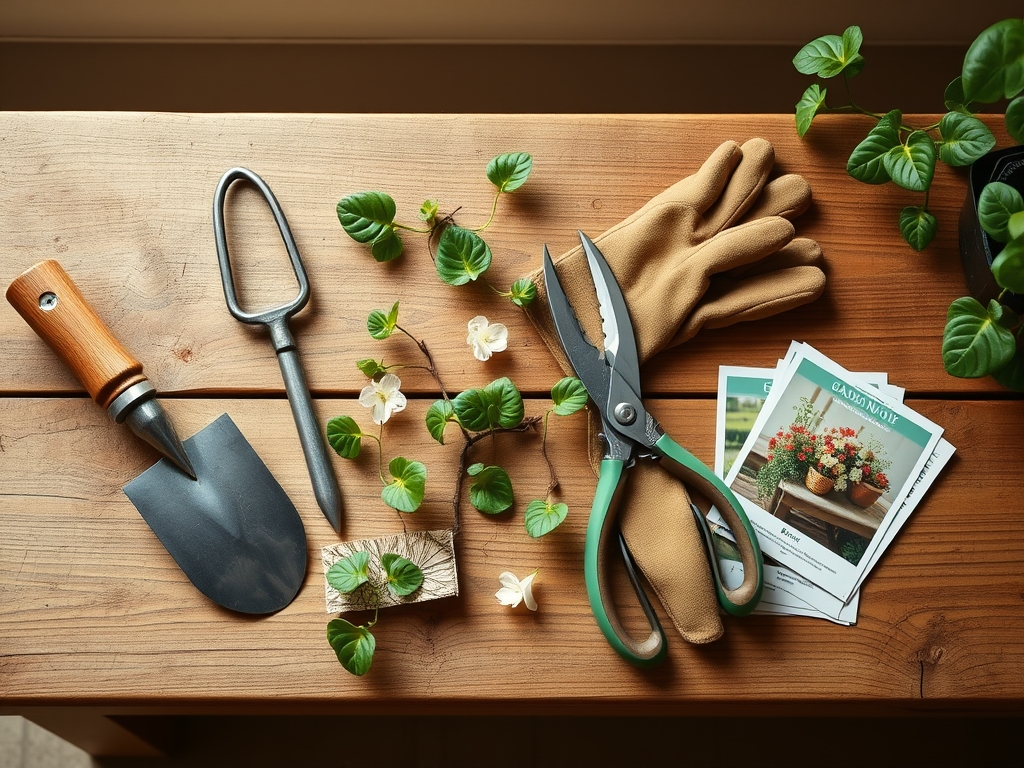
Indoor jasmine requires a substrate with high **Cation Exchange Capacity (CEC)** to ensure nutrient availability. The ideal medium is a **friable loam** consisting of 40 percent peat or coco coir, 30 percent perlite for aeration, and 30 percent composted organic matter. Maintain a **soil pH between 6.0 and 7.0**. For fertilization during the active growth phase, utilize a water-soluble formula with an **NPK ratio of 10-30-10** to promote root development and bud initiation rather than excessive vegetative sprawl. Ensure your bypass pruners are sterilized with **70 percent isopropyl alcohol** to prevent the transmission of pathogens into the vascular system of the vine.
Timing:
While indoor plants are shielded from the elements, they still respond to the photoperiod and internal biological clocks. Jasmine typically enters its reproductive stage following a period of cooler temperatures and shorter days. In Hardiness Zones 8 through 11, outdoor jasmine follows a seasonal cycle; however, indoor specimens require a "cool down" period of six weeks at 50 to 55 degrees Fahrenheit to trigger bloom. The optimal window for heavy pruning is immediately after the spring flowering cycle concludes. This timing allows the plant the maximum duration of the summer growing season to develop "old wood," which is the primary site for next year's flower buds.
Phases:
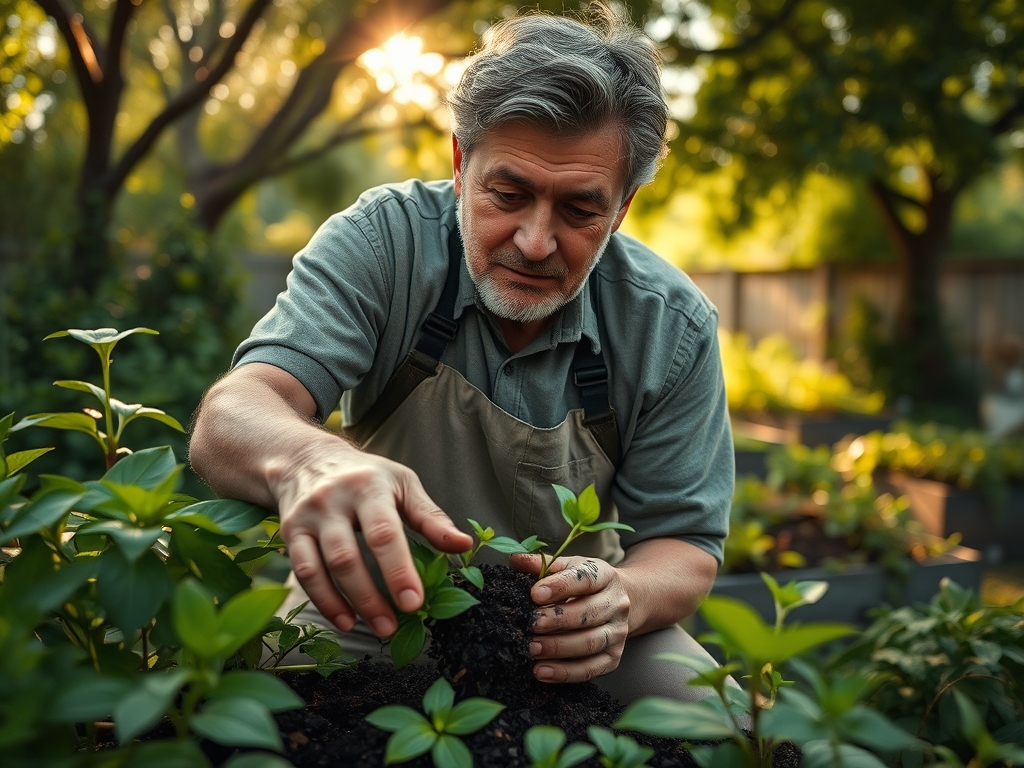
Sowing and Initial Growth
If starting from cuttings, dip the basal end in a 0.1 percent Indole-3-butyric acid (IBA) rooting hormone. Place the cutting in a sterile medium at a constant 75 degrees Fahrenheit. Once the root system reaches 2 inches in length, transplant the jasmine into its permanent container.
Pro-Tip: Focus on auxin suppression. By pinching off the very tip of the primary leader, you halt the flow of auxins that inhibit lateral growth. This encourages the plant to become bushy rather than stringy.
Establishing the Framework
As the vine grows, it requires a support structure such as a trellis or hoop. Secure the main stems using soft ties, ensuring they are not constricted. Maintain a relative humidity of 40 to 50 percent to prevent the foliage from becoming brittle.
Pro-Tip: Utilize phototropism to your advantage. Rotate the pot 90 degrees every week to ensure even light distribution across the entire leaf canopy, preventing the "bald" side common in indoor vines.
Executing the Pruning Steps
Identify the "three Ds": dead, damaged, or diseased wood. Cut these back to the point of origin. Next, reduce the length of the previous year's growth by one-third to one-half. Make every cut at a 45-degree angle approximately 1/4 inch above a leaf node.
Pro-Tip: This angle prevents water from pooling on the wound site, which reduces the risk of fungal infections entering the rhizosphere or the stem tissue.
The Clinic:
Symptom: Yellowing of older leaves while veins remain green (Interveinal Chlorosis).
Solution: This typically indicates a Magnesium deficiency. Apply a solution of 1 tablespoon of Epsom salts per gallon of water once a month.
Symptom: General yellowing of new growth and stunted development (Nitrogen Chlorosis).
Solution: Increase the nitrogen component of your fertilizer. Ensure the soil pH has not drifted above 7.5, as this locks out nitrogen uptake.
Symptom: Leaf drop and blackened stems.
Solution: This is a sign of root rot caused by anaerobic conditions. Reduce watering frequency and ensure the pot has adequate drainage holes.
Fix-It for Phosphorus Deficiency: If the plant fails to bloom despite proper lighting, the soil may lack phosphorus. Switch to a 0-10-10 fertilizer for two weeks to stimulate bud set without encouraging more leaf growth.
Maintenance:
Precision is the hallmark of a professional horticulturist. Use a soil moisture meter to ensure the substrate never dries out completely. Jasmine requires approximately 1.5 inches of water per week, delivered directly to the soil surface to keep the foliage dry. Avoid overhead watering. Use a hori-hori knife to occasionally probe the soil and check for root-bound conditions; if the knife meets significant resistance within the first two inches of the pot edge, it is time to up-pot. Use bypass pruners for all structural cuts to ensure a clean shear that does not crush the delicate cambium layer.
The Yield:
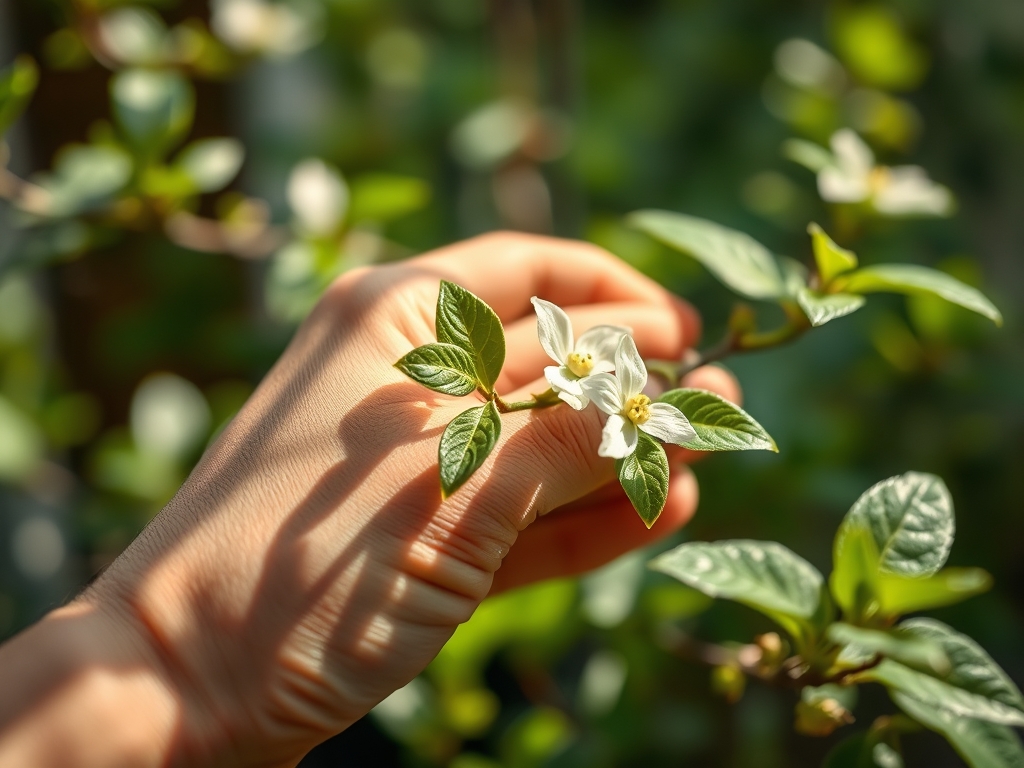
For indoor jasmine, the "yield" is the aromatic bloom. Harvest individual flowers when they are fully white but before the petals begin to curl or brown. To maintain "day-one" freshness for indoor displays, snip a small lateral branch with several clusters and immediately submerge the cut end in 110-degree Fahrenheit water. This heat helps clear any air bubbles from the xylem, allowing for maximum water uptake. Store the harvested blooms in a cool area away from direct sunlight to slow the rate of respiration and preserve the essential oils.
FAQ:
When is the best time for pruning an indoor jasmine vine?
Prune immediately after the spring flowering cycle ends. This allows the plant to grow the "old wood" necessary for next year's buds. Avoid heavy pruning in late autumn, as this removes potential flowering sites.
How much of the vine can I safely remove?
You can safely remove up to one-third of the total biomass in a single pruning session. Removing more can shock the vascular system and deplete the plant's carbohydrate reserves stored in the roots.
Why are my jasmine leaves turning yellow between the veins?
This is likely magnesium deficiency. It occurs when the soil pH is off or the plant has exhausted the nutrients in its pot. Supplement with magnesium sulfate to restore chlorophyll production in the leaf tissue.
What tools are essential for jasmine maintenance?
A pair of sterilized bypass pruners is vital for clean cuts. You also need a soil moisture meter to monitor the rhizosphere and a 10-30-10 NPK fertilizer to support the heavy nutrient demands of flowering.