8 High-Light Steps to Prepare a Sun Porch for Succulents
Light floods a south-facing sun porch at midday. The air warms to 85°F, then climbs higher. Most houseplants wilt under this onslaught, but succulents thrive when you match their native desert and semi-arid conditions. Learning how to prepare a sun porch for succulents means engineering drainage, calibrating light exposure, and selecting substrates that prevent root rot while delivering trace minerals.
Materials and Amendments
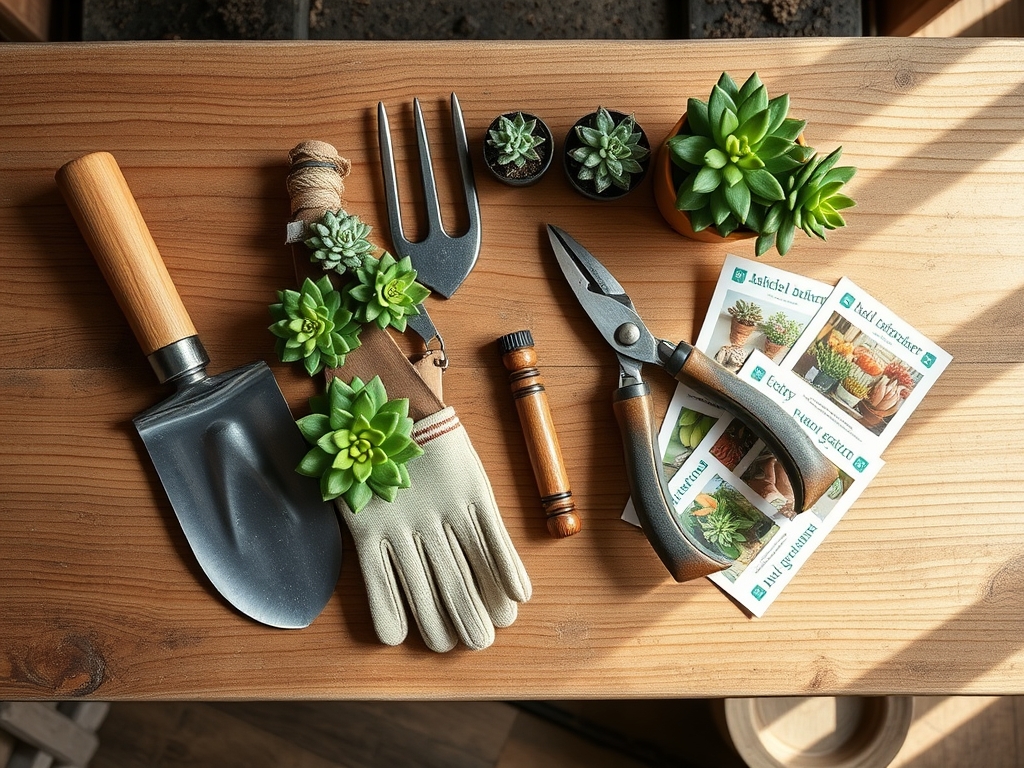
Substrate forms the foundation. Combine two parts coarse sand, one part perlite, and one part commercial cactus mix. This blend achieves a cation exchange capacity below 10 meq/100g, ensuring rapid drainage. Add one tablespoon of dolomitic lime per gallon to buffer pH toward 6.0–7.0, the range where succulents access calcium and magnesium efficiently.
Fertilizer should deliver minimal nitrogen. A 2-7-7 liquid concentrate, diluted to quarter strength, supplies phosphorus for root development without spurring leggy growth. Organic growers prefer 4-4-4 alfalfa meal top-dressed in spring, but succulents need less than one-eighth the rate recommended for tomatoes. Excess nitrogen triggers soft, water-logged stems that collapse under their own weight.
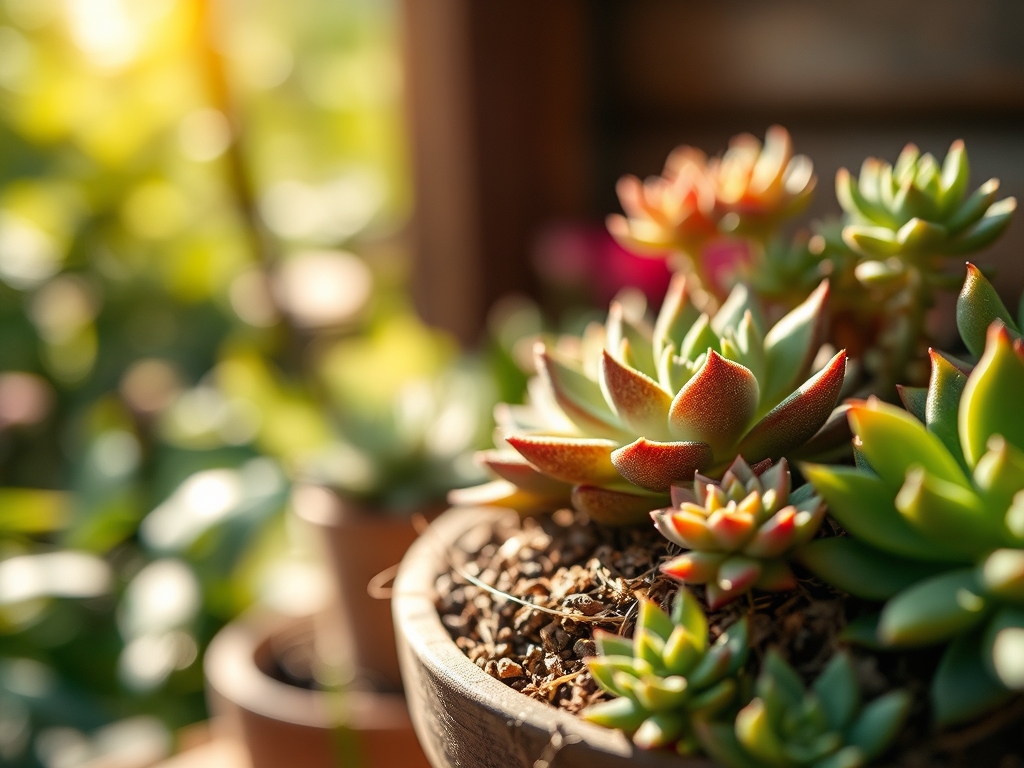
Containers require drainage holes and a minimum depth of four inches for shallow-rooted species like Echeveria. Unglazed terracotta breathes, pulling moisture from the root zone through evaporation. Plastic works if you amend the mix with extra pumice at a ratio of 1:1 by volume.
Timing by Hardiness Zone and Season
Succulents enter active growth when nighttime temperatures hold above 50°F. In Zones 5–6, move containers to the sun porch after the last frost, typically May 15. Zones 7–8 allow installation by mid-April. Zones 9–11 support year-round outdoor placement, but afternoon shade becomes critical when ambient temperatures exceed 95°F for consecutive days.
Winter dormancy begins when day length drops below ten hours. Reduce watering to every three weeks starting October 1 in northern climates. Southern growers maintain a two-week schedule through November. Cold-hardy genera such as Sempervivum tolerate 20°F if kept completely dry, but tender Crassula and Senecio demand indoor relocation before the first freeze.
Phases of Establishment

Acclimation Phase (Week 1–2)
Place new arrivals in partial shade, receiving three to four hours of direct morning sun. Full intensity causes sunburn, visible as bleached white patches on leaves. Gradually increase exposure by one hour daily until plants receive six to eight hours of direct light.
Pro-Tip: Apply a 5% solution of fish emulsion immediately after potting to stimulate mycorrhizal colonization. These fungi extend root reach by up to 40%, accessing water and phosphorus in pore spaces roots cannot penetrate.
Transplant Phase (Week 3–4)
Shift acclimated specimens into final containers. Bury the stem base no deeper than it sat in the nursery pot. Deep planting traps moisture against the crown, inviting fungal pathogens. Water once at transplant, then withhold irrigation for seven days to encourage roots to explore the new substrate.
Pro-Tip: Dust roots with sulfur powder before potting. Sulfur lowers localized pH and suppresses Pythium, the water mold responsible for sudden root collapse.
Establishment Phase (Week 5–12)
Water only when the top two inches of substrate feel bone-dry. Insert a wooden skewer to gauge moisture at depth. In 85°F heat, this typically means watering every nine to twelve days. Cooler conditions extend the interval to two weeks.
Pro-Tip: Rotate containers 90 degrees weekly. Unidirectional light bends auxin distribution, causing stems to lean. Regular rotation maintains symmetrical rosettes and prevents etiolation.
Troubleshooting Physiological Disorders
Symptom: Shriveled, wrinkled leaves despite adequate watering.
Solution: Inspect for mealybugs at leaf axils. These sap-feeders inject saliva that disrupts water transport. Dab insects with 70% isopropyl alcohol on a cotton swab. Repeat every three days for two weeks.
Symptom: Black, mushy stem base.
Solution: Root rot from Fusarium or Rhizoctonia. Remove the plant, cut away diseased tissue with a sterile blade, and allow the wound to callus for 48 hours. Repot in fresh, dry substrate.
Symptom: Red or purple leaf tips.
Solution: Anthocyanin accumulation triggered by cold stress below 45°F. Move containers away from drafty windows. If the discoloration covers less than 25% of leaf area, no intervention is needed.
Symptom: Corky brown scabs on lower leaves.
Solution: Edema from overwatering when transpiration rates are low. Increase airflow with a small fan set to low speed. Skip the next two scheduled waterings.
Symptom: Elongated stems with wide gaps between leaves.
Solution: Insufficient light intensity. Supplement with a full-spectrum LED grow light delivering 2,000–3,000 foot-candles at plant height for 12 hours daily.
Maintenance Protocol
Apply 1 inch of water when the substrate is dry at a depth of 2 inches. Use a moisture meter for precision or weigh the container. A pot ready for irrigation weighs 30% less than a freshly watered one. Fertilize once every eight weeks during the growing season, from April through September. Withhold food entirely from October through March.
Prune dead leaves at the base using clean shears angled at 45 degrees. Dead foliage harbors fungus gnats, whose larvae chew root hairs. Remove spent flower stalks within 24 hours of petal drop to redirect energy into vegetative growth.
Frequently Asked Questions
Can succulents survive in north-facing sun porches?
No. North exposures deliver fewer than 1,000 foot-candles, insufficient for compact growth. Succulents stretch and lose pigment in low light.
How often should I repot established succulents?
Every two to three years in spring. Roots circle the pot perimeter or substrate breaks down into dust, both signals for fresh media.
Do succulents need humidity control?
Low humidity between 20–40% is ideal. High humidity above 60% encourages fungal leaf spot and slows evapotranspiration, increasing rot risk.
What temperature range is optimal?
Daytime highs of 75–85°F and nighttime lows of 55–65°F mimic native habitats. Avoid swings greater than 30°F within 24 hours.
Can I group succulents with cacti on the same porch?
Yes. Both require identical light, water, and substrate conditions. Ensure all species selected tolerate your local winter minimum temperature.