9 Blooming Benefits of Specialized African Violet Fertilizer
The snap of a turgid Saintpaulia leaf indicates a cell wall reinforced by adequate potassium and precise moisture levels. When you press a finger into a well-drained substrate, the smell of damp peat and perlite signals a healthy aerobic environment. Using a specialized violet fertilizer ensures the rhizosphere receives the exact urea-free nitrogen required to prevent root burn. Standard houseplant fertilizers often contain high concentrations of urea, which can lead to root rot in the sensitive root systems of African Violets. By providing a consistent ratio of 14-12-14 or 12-36-14, these targeted formulas maintain the osmotic balance necessary for water uptake. This chemical precision prevents the accumulation of salts that can cause leaf tip necrosis. A professional grower understands that nutrition is not merely about growth; it is about managing the internal hydrostatic pressure of the plant. Maintaining this turgor pressure allows the violet to support heavy floral clusters without drooping. Every drop of specialized solution acts as a catalyst for the metabolic processes that define a specimen-grade plant.
Materials:
African Violets require a substrate with high porosity and a **pH range between 5.8 and 6.2**. The ideal medium is a friable mix of 50 percent sphagnum peat moss, 25 percent perlite, and 25 percent vermiculite. This composition ensures a high **Cation Exchange Capacity (CEC)**, allowing the roots to access minerals efficiently.
For the nutritional component, use a water-soluble fertilizer with an NPK ratio of 12-36-14. The high phosphorus (36) content is critical for stimulating the transition from vegetative growth to floral development. Ensure the nitrogen source is listed as ammoniacal nitrogen or nitrate nitrogen, as these are more readily available at lower temperatures than urea-based sources. You will also need a digital pH meter to monitor the acidity of your irrigation water, as alkaline water can lock out essential micronutrients like iron and manganese.
Timing:
While African Violets are typically grown indoors, they are biologically adapted to conditions similar to Hardiness Zones 11 and 12. They thrive when ambient temperatures remain between 65 and 75 degrees Fahrenheit. The biological clock of the plant is governed by the photoperiod; they require approximately 12 to 14 hours of bright, indirect light to trigger the reproductive phase.
The transition from the vegetative stage (leaf production) to the reproductive stage (flowering) occurs when the plant reaches a specific maturity level, usually defined by having three to four layers of leaves in its rosette. If you are using artificial lighting, a 12-hour dark period is essential for the plant to complete the process of crassulacean acid metabolism (CAM) or similar respiration cycles. Fertilization should be consistent year-round if the environment is controlled, but it should be reduced by half if the ambient temperature drops below 60 degrees Fahrenheit during winter months.
Phases:
Sowing and Propagation
Most African Violets are propagated via leaf cuttings rather than seeds. Select a mature, healthy leaf and cut the petiole at a 45-degree angle, leaving about one inch of stem. Insert this into a moist, sterile medium. Maintain a humidity level of 70 percent to prevent desiccation before the callus forms.
Pro-Tip: The 45-degree cut increases the surface area for the formation of adventitious roots. This process is driven by auxin suppression at the wound site, which signals the plant to redirect energy from foliage maintenance to root initiation.
Transplanting
Once the plantlets (mousears) reach 0.5 inches in height, they are ready for individual pots. Use a 2-inch starter pot to prevent the substrate from staying too wet, which can lead to Pythium root rot. Ensure the crown of the plant sits exactly at the soil surface.
Pro-Tip: Proper crown placement prevents crown rot by ensuring the apical meristem is not buried. If the meristem is submerged in soil, the lack of gas exchange causes cellular senescence and the eventual death of the plant.
Establishing
During the establishment phase, the plant builds its root architecture. Use a diluted strength of your specialized violet fertilizer, roughly 1/4 teaspoon per gallon of water, at every watering. This "constant feed" method provides a steady stream of nutrients without causing salt buildup in the delicate root hairs.
Pro-Tip: African Violets exhibit phototropism, where they grow toward the light source. Rotate the pot 90 degrees every week to ensure a symmetrical rosette. This movement prevents the uneven distribution of growth hormones, maintaining the aesthetic form required for exhibition.
The Clinic:
Physiological disorders often mimic infectious diseases. Accurate diagnosis is the first step in remediation.
- Symptom: Tight, brittle center leaves.
- Solution: This usually indicates an over-fertilization of phosphorus or a mite infestation. Flush the soil with clear, room-temperature water to leach excess salts.
- Symptom: Pale green or yellow lower leaves (Chlorosis).
- Solution: This is a classic Nitrogen deficiency. Ensure your specialized fertilizer has a sufficient nitrogen percentage and check that the soil pH has not drifted above 7.0, which inhibits nitrogen uptake.
- Symptom: Long, weak petioles and lack of blooms.
- Solution: This indicates insufficient light. Increase the photoperiod to 14 hours or move the plant closer to the light source (within 10-12 inches of a fluorescent or LED bulb).
- Fix-It: Magnesium Deficiency.
- If you notice interveinal chlorosis on older leaves, add 1/8 teaspoon of Epsom salts per gallon of water once a month to provide essential magnesium for chlorophyll production.
Maintenance:
Precision is the hallmark of a master horticulturist. Use a soil moisture meter to ensure the substrate is at a "4" or "5" on a ten-point scale before watering. Ideally, apply water from the bottom to avoid wetting the foliage, which can cause unsightly spotting. If you must water from the top, use a narrow-necked watering can to apply water directly to the soil surface.
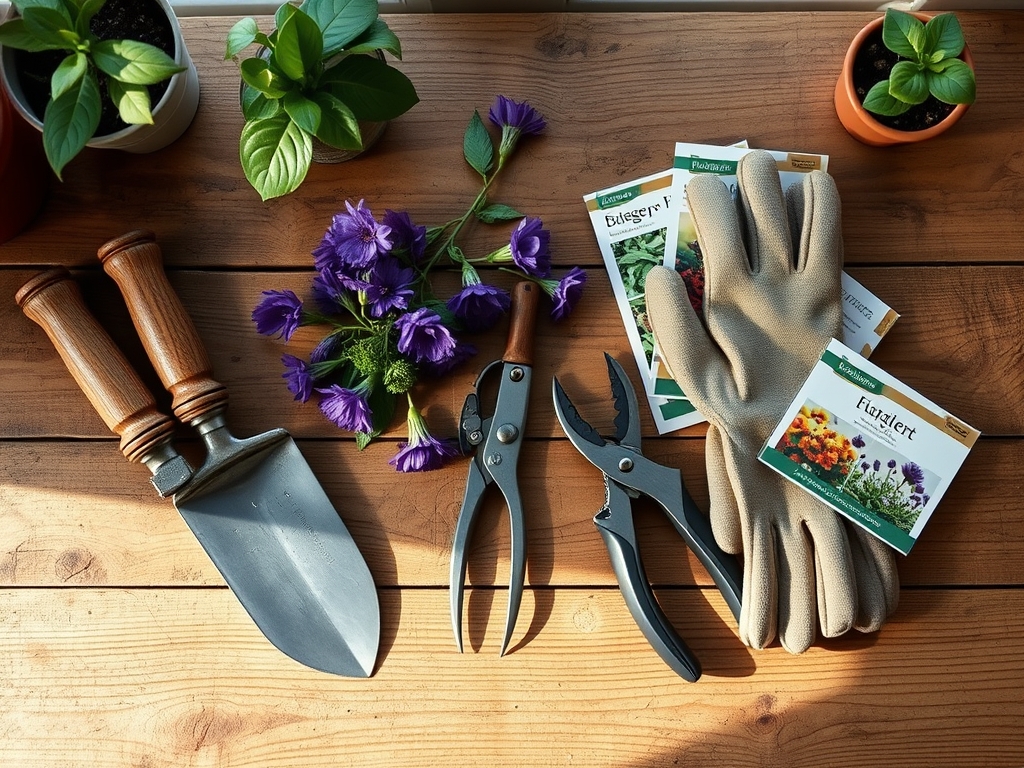
Maintain a strict hygiene regimen. Use a hori-hori knife to scrape away any crusty salt deposits on the rim of clay pots, or better yet, use plastic pots to reduce evaporation. Use bypass pruners or small floral snips to remove spent blooms and yellowing leaves at the base of the petiole. This prevents Botrytis cinerea (gray mold) from establishing itself on decaying organic matter. Aim for an environment with 50 percent humidity; if the air is too dry, use a pebble tray to increase localized moisture without sacrificing airflow.
The Yield:
For African Violets, the "yield" is the floral display. To maximize the longevity of the blooms, maintain a consistent temperature; sudden fluctuations can cause bud blast, where the flowers drop before opening. When the plant is in full bloom, avoid moving it to a new location, as the change in light intensity can cause the plant to abort its flowers to conserve energy.
To harvest flowers for small arrangements, cut the flower stalks at the base when the first two blossoms on the cyme have opened. Place them immediately in 75-degree water to maintain turgor. For the plant itself, removing spent flower stalks (deadheading) encourages the production of new buds by preventing the plant from diverting energy into seed production.
FAQ:
Why should I avoid urea in African Violet fertilizer?
Urea requires specific soil bacteria to break it down into usable nitrogen. African Violet potting mixes often lack these bacteria, leading to nitrogen unavailability and potential root burn from the unprocessed urea salts.
How often should I use specialized violet fertilizer?
Use a highly diluted "constant feed" method at every watering. Mix 1/4 teaspoon of fertilizer per gallon of water. This ensures a steady supply of nutrients without the risk of osmotic shock to the roots.
What does the "middle number" in the NPK ratio do?
The middle number represents phosphorus. In a specialized violet fertilizer, this number is higher (e.g., 36) to promote vigorous root growth and stimulate the production of floral buds rather than just green foliage.
Can I use tap water for my African Violets?
Only if the water is dechlorinated and at room temperature. Cold water causes leaf spotting, while chlorine can damage sensitive root hairs. Let tap water sit for 24 hours before using it on your plants.