9 High-Impact Steps to Prepare a Minimalist Production Garden
Learning how to prepare a garden for a minimalist vegetable garden begins with understanding that less infrastructure does not mean less productivity. A minimalist production system relies on soil biology, precise amendment ratios, and strategic plant selection to eliminate excess tools, structures, and inputs. The scent of freshly turned loam mixed with composted manure signals the start of a system where every amendment serves multiple functions. How to prepare a garden for a minimalist vegetable garden demands that you reject ornamental complexity in favor of nutrient-dense crops, optimized spacing, and perennial soil health.
Materials
Soil pH determines nutrient availability. Test your soil to establish whether you are working with acidic (below 6.0), neutral (6.0-7.0), or alkaline (above 7.0) conditions. For most vegetable crops, target 6.2 to 6.8.
Amendments for neutral to slightly acidic soils:
- Balanced organic fertilizer (4-4-4 NPK ratio): Provides nitrogen, phosphorus, and potassium in equal measure. Apply 2 pounds per 100 square feet.
- Composted cattle manure: Adds organic matter and improves cation exchange capacity. Use 1 cubic foot per 25 square feet.
- Mycorrhizal inoculant (Glomus species): Enhances phosphorus uptake and drought resistance. Mix 1 tablespoon per transplant hole.
Amendments for alkaline soils:
- Sulfur powder: Lowers pH gradually. Apply 1 pound per 100 square feet to drop pH by 0.5 units.
- Peat moss or aged pine bark: Acidifies and improves drainage. Incorporate 2 cubic feet per 100 square feet.
Amendments for acidic soils:
- Dolomitic lime: Raises pH and supplies calcium and magnesium. Apply 5 pounds per 100 square feet to raise pH by 1 unit.
- Wood ash: Provides potassium and raises pH quickly. Use sparingly, 1 pound per 100 square feet.
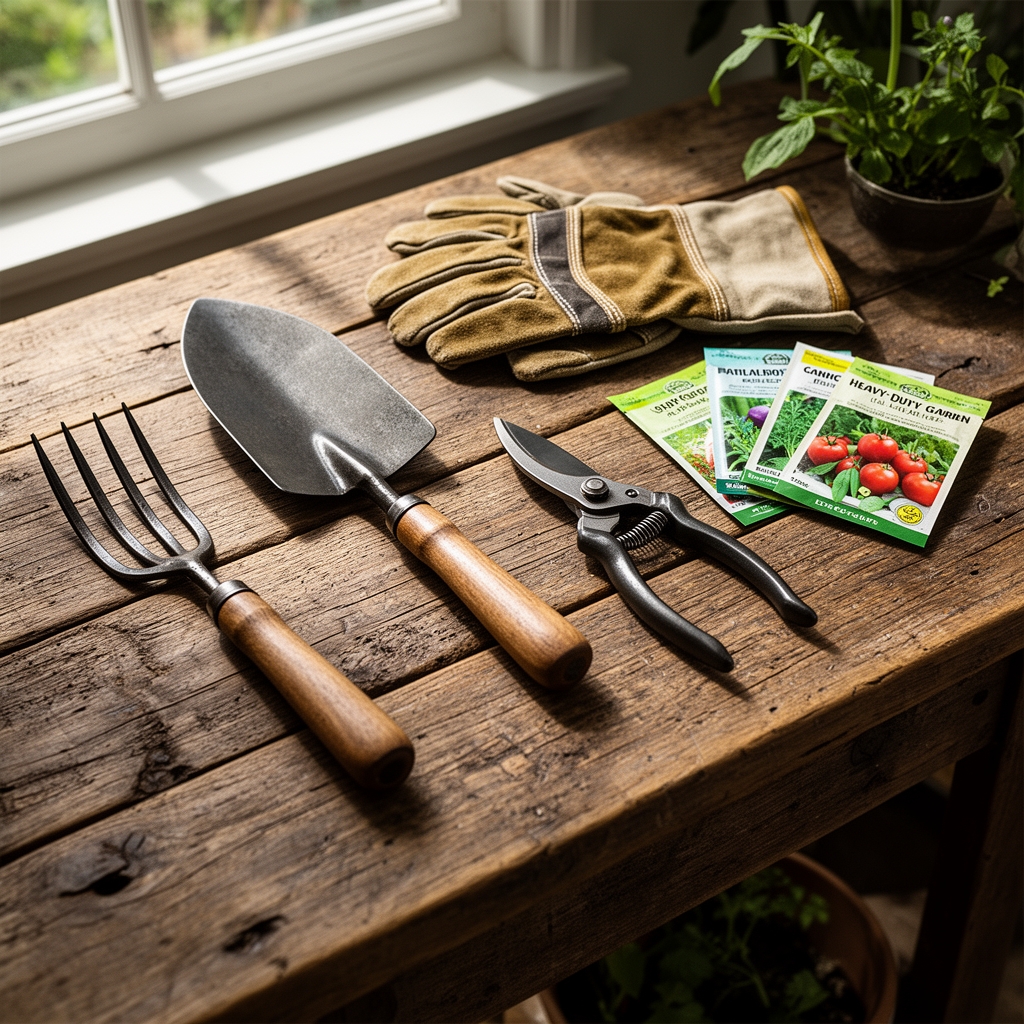
Tools (minimal set):
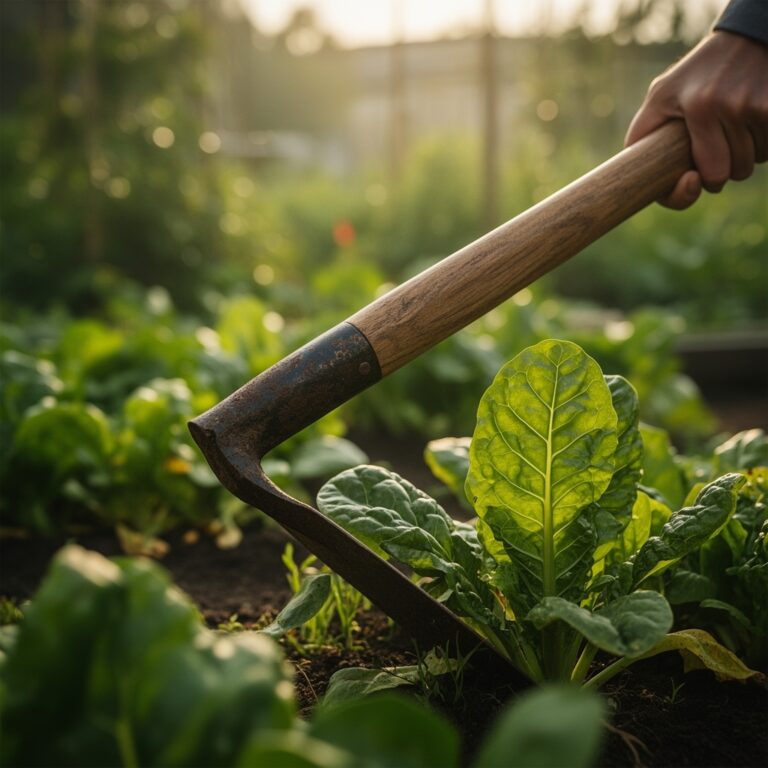
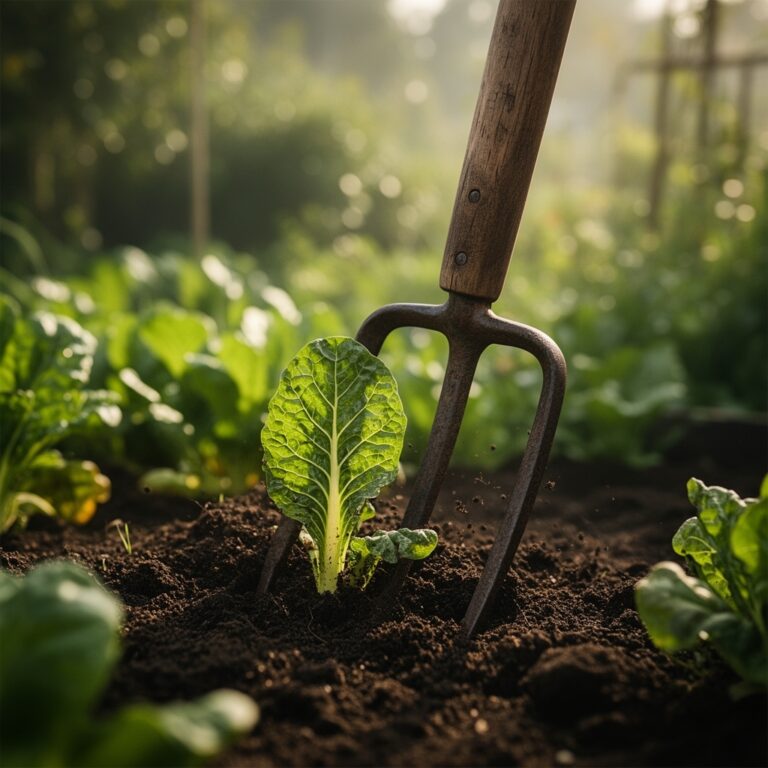
- Broadfork for deep aeration without inversion.
- Hori-hori knife for transplanting and weed removal.
- 5-gallon bucket for amendments and harvest.
Timing
Match your preparation schedule to USDA Hardiness Zones and local frost dates. In Zones 3-5, prepare beds 4 weeks before the last spring frost (typically late April to mid-May). In Zones 6-8, begin 6 weeks before the last frost (mid-March to early April). In Zones 9-11, prepare beds in late fall for winter production, targeting October through November.
Cool-season crops (lettuce, kale, peas) tolerate soil temperatures as low as 40°F. Warm-season crops (tomatoes, peppers, squash) require soil temperatures above 60°F. Use a soil thermometer at 4-inch depth for accurate readings.
Phases
Sowing Phase
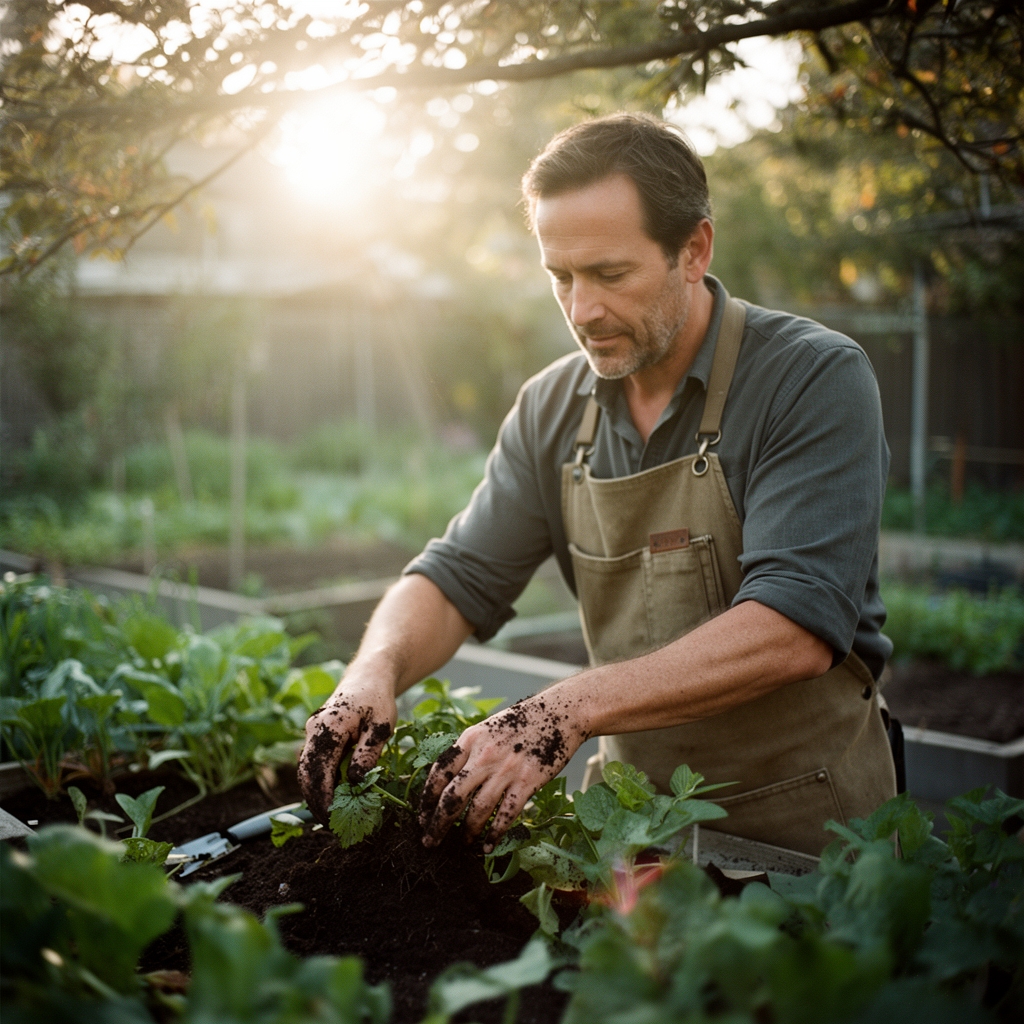
Clear existing vegetation by cutting at soil level. Leave roots intact to preserve soil structure. Spread amendments evenly across the bed surface. Use the broadfork to aerate to 12 inches without flipping layers. This preserves mycorrhizal networks and beneficial bacteria. Rake the surface smooth.
Pro-Tip: Apply mycorrhizal inoculant directly to seed furrows for legumes and solanaceous crops. This accelerates root colonization and reduces transplant shock.
Transplanting Phase
Dig holes 1.5 times the width of the root ball. Place transplants at the same depth they grew in containers, except for tomatoes. Bury tomato stems up to the first true leaves to encourage adventitious root formation along the stem. Firm soil gently around the root zone to eliminate air pockets.
Space plants according to mature canopy size, not juvenile size. Bush beans require 6 inches; determinate tomatoes need 24 inches; indeterminate tomatoes need 36 inches.
Pro-Tip: Water transplants with a dilute kelp solution (1 tablespoon per gallon) to stimulate auxin distribution and root hair development.
Establishing Phase
Monitor soil moisture at root depth for the first 14 days. Roots need consistent moisture to establish but not saturation. Apply 0.5 inches of water every 3 days if rainfall is absent. Mulch with 2 inches of straw or shredded leaves once plants reach 6 inches in height. This moderates soil temperature and suppresses weeds.
Pro-Tip: Prune tomato suckers at a 45-degree angle when they reach 2 inches. This directs energy to fruit production and improves airflow.
Troubleshooting
Symptom: Yellowing lower leaves with green veins (interveinal chlorosis).
Solution: Iron deficiency, common in alkaline soils. Apply chelated iron (Fe-EDDHA) at 1 ounce per 10 square feet. Retest pH and adjust to 6.5.
Symptom: Blossom end rot on tomatoes and peppers (dark, sunken spots on fruit base).
Solution: Calcium deficiency exacerbated by inconsistent watering. Apply calcium nitrate (15-0-0 + 19% Ca) at 1 tablespoon per plant. Water deeply twice per week rather than daily shallow watering.
Symptom: Stunted growth with purplish leaf undersides.
Solution: Phosphorus deficiency, often triggered by cold soil. Wait until soil warms to 60°F before transplanting warm-season crops. Apply bone meal (3-15-0) at 2 pounds per 100 square feet.
Symptom: Flea beetles creating shot-hole damage on brassica leaves.
Solution: Row covers immediately after transplanting. Remove covers once plants reach 8 inches. Flea beetles prefer young tissue.
Maintenance
Water 1 inch per week, delivered in one deep session. Measure with a rain gauge. Deep watering encourages roots to grow downward, improving drought tolerance. Avoid overhead watering after fruit set to reduce fungal disease.
Side-dress with compost (1 inch layer) midseason for heavy feeders like squash and tomatoes. This releases slow-acting nitrogen and improves moisture retention.
Remove weeds when soil is moist and they are less than 3 inches tall. Roots extract easily without disturbing crop roots.
FAQ
How deep should I prepare the soil for a minimalist vegetable garden?
Aerate to 12 inches with a broadfork. This depth accommodates most vegetable root systems without excessive labor.
Can I prepare beds in fall for spring planting?
Yes. Add amendments in October, then cover with 4 inches of mulch. Spring preparation requires only surface raking.
What is the minimum bed width for efficient production?
Three feet. This allows two rows of most crops with a central access path.
How often should I reapply mycorrhizal inoculant?
Once per planting. Established fungal networks persist across seasons if soil remains undisturbed.
Do I need to rotate crops in a minimalist system?
Yes. Rotate families annually to prevent pathogen buildup and nutrient depletion. Follow heavy feeders with legumes to restore nitrogen.