9 Maintenance Steps: Using a Garden Hoe for Efficient Weeding
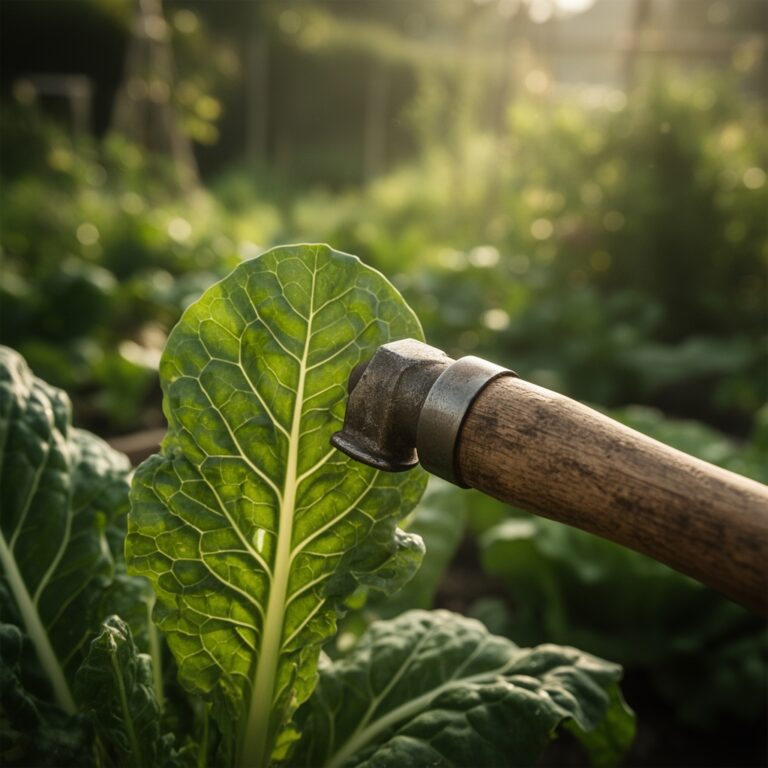
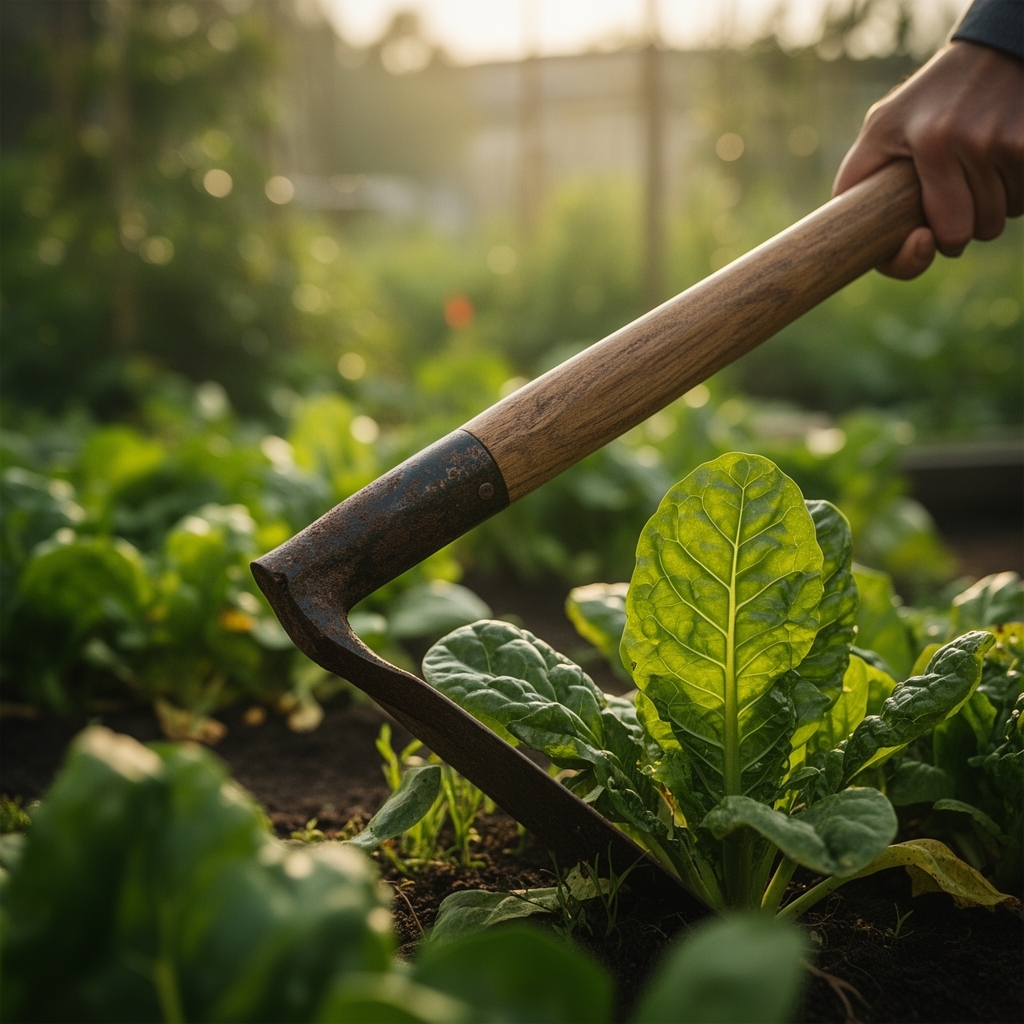
The blade slices through damp morning soil with a satisfying whisper, severing pigweed and lamb's quarters at the crown before they set seed. Using a garden hoe for vegetable weeding transforms back-breaking hand-pulling into an efficient, upright operation that clears 200 square feet in under twenty minutes. The tool's angled steel edge disrupts the soil-root interface just below ground level, triggering immediate desiccation of annual weeds while preserving the friable structure that vegetable roots require for auxin distribution and lateral expansion.
Materials
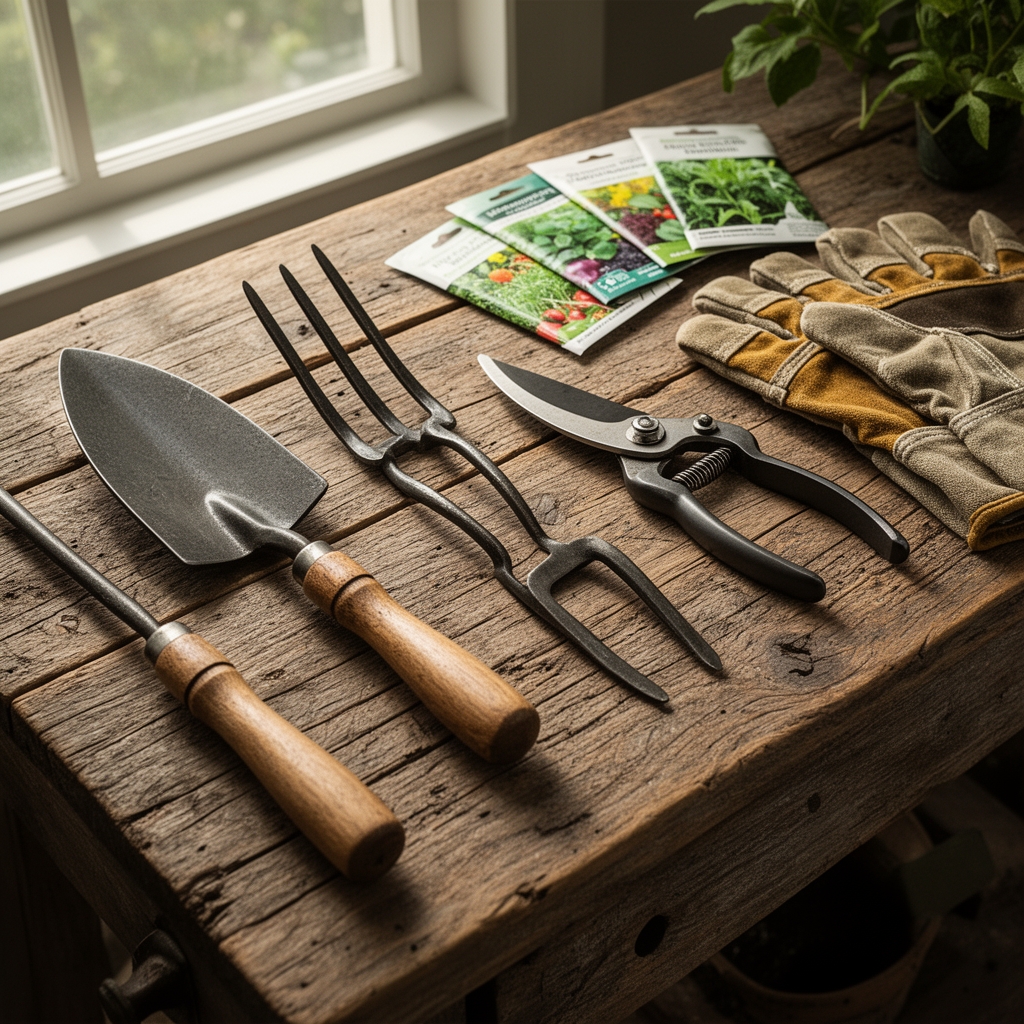
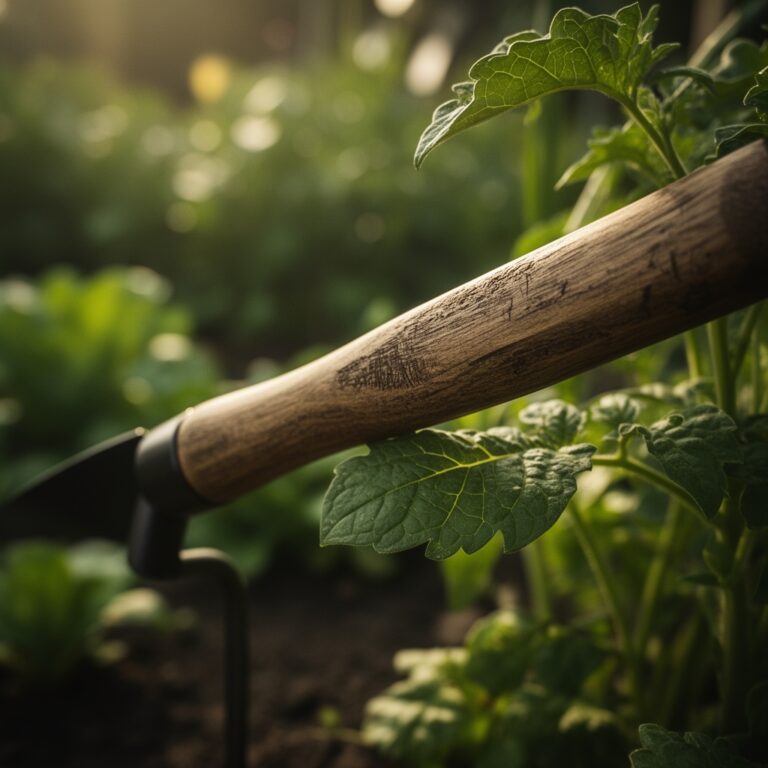
Select a stirrup hoe (scuffle hoe) with a 6-inch blade width for narrow bed rows or a standard 8-inch blade for wider spacing. The stirrup design allows bi-directional cutting, doubling efficiency compared to traditional paddle hoes.
Soil amendments should maintain pH between 6.2 and 6.8 for most vegetable crops. Apply a balanced 4-4-4 organic meal at 2 pounds per 100 square feet two weeks before planting to stabilize cation exchange capacity. For heavy feeders like tomatoes and brassicas, supplement with 5-10-10 granular fertilizer at transplant, side-dressed 4 inches from stems.
A sharpening file (10-inch mill bastard cut) maintains the blade angle between 20 and 30 degrees. Dull blades crush rather than sever weed stems, leaving viable root tissue that regenerates within 72 hours.
Wear closed-toe boots with a defined heel. The hoe operates in a push-pull motion 1 to 2 inches below the soil surface, and foot protection prevents accidental blade contact during the backstroke.
Timing
Execute primary weeding passes in USDA Hardiness Zones 3 through 7 between late April and early October, aligning with the vegetable growing season. In Zones 8 through 10, extend operations from March through November.
Weed when soil moisture content sits between 40 and 60 percent of field capacity. Excessively wet soil clings to the blade and compacts under pressure. Bone-dry soil forms clods that shield weed roots from desiccation.
Morning hours between 8:00 AM and 11:00 AM offer ideal conditions. Dew has evaporated, but midday heat has not yet arrived. Severed weeds wilt rapidly in low-humidity air, preventing re-rooting.
Target weeds in the cotyledon to two-true-leaf stage. Annual weeds at this phase possess root systems less than 3 inches deep and limited carbohydrate reserves. Once weeds reach four to six leaves, taproots extend beyond hoe reach, requiring hand-pulling.
Phases

Sowing Phase
Prepare beds by removing all visible vegetation 10 days before direct seeding. Create a stale seedbed by irrigating lightly to germinate the weed seed bank, then hoe emerging seedlings 48 hours before planting vegetables. This technique reduces weed pressure by 60 to 75 percent during the critical establishment window.
Pro-Tip: Mark vegetable rows with bamboo stakes and twine before seeds germinate. This visual guide prevents accidental hoeing of emerging crops when weeds and vegetables appear similar.
Transplanting Phase
Wait 7 to 10 days after transplanting before hoeing. This delay allows vegetable roots to extend beyond the disturbance zone and mycorrhizal fungi to colonize the rhizosphere. Maintain a 3-inch buffer around transplant stems to avoid root pruning.
Angle the hoe blade parallel to the row direction, using shallow 0.5-inch strokes in the inter-row space. Perpendicular strokes risk blade contact with young vegetable stems, causing mechanical damage that invites bacterial soft rot.
Pro-Tip: Incorporate a 2-inch layer of straw mulch immediately after hoeing. The mulch suppresses the next weed flush while conserving soil moisture for vegetable uptake.
Establishing Phase
Once vegetables reach 12 inches in height with established canopies, reduce hoeing frequency to every 14 days. Canopy shading naturally suppresses weed germination by blocking photosynthetically active radiation required for seed activation.
Focus on perennial weeds like Canada thistle and dandelion, which require repeated severing every 5 to 7 days to exhaust root carbohydrate reserves. Annual weeds become less competitive as vegetable root systems dominate available soil volume.
Pro-Tip: Sharpen the hoe blade after every 90 minutes of use. A keen edge reduces stroke effort by 40 percent and creates cleaner cuts that accelerate weed desiccation.
Troubleshooting
Symptom: Weeds re-root after hoeing.
Solution: Hoe during afternoon heat when relative humidity drops below 50 percent. Rake severed weeds into pathways where they cannot contact moist soil.
Symptom: Vegetable seedlings show severed stems or root damage.
Solution: Reduce blade depth to 0.75 inches and slow stroke speed by 30 percent near crop rows. Practice in fallow areas before working near valuable plants.
Symptom: Blade skips across hardpan or compacted soil.
Solution: Irrigate 24 hours before hoeing to soften the top 3 inches. Alternatively, use a pointed Warren hoe to penetrate compacted zones, then follow with a stirrup hoe for finishing passes.
Symptom: Perennial grasses regenerate from rhizome fragments.
Solution: Switch to hand-digging with a soil knife for quackgrass and Bermuda grass. Hoeing spreads rhizome segments, multiplying infestations by 200 to 400 percent.
Maintenance
Hoe every 5 to 7 days throughout the growing season. Weekly passes prevent weeds from exceeding the two-leaf stage and keep soil surfaces loose for improved gas exchange.
Apply 1 inch of water per week through drip irrigation or soaker hoses. Overhead watering germinates additional weed seeds and complicates hoeing by creating surface crusts.
Sharpen the blade before each session. A sharp hoe requires 3 to 4 pounds of forward pressure compared to 8 to 10 pounds for a dull blade.
Store the hoe in a dry location with the blade elevated off concrete floors. Moisture contact accelerates rust formation, which pits the cutting edge and reduces effectiveness by 50 percent within three seasons.
FAQ
How deep should the hoe blade cut?
Maintain blade depth between 0.5 and 1.5 inches. Deeper cuts disturb vegetable feeder roots and bring dormant weed seeds to the surface where light triggers germination.
Can I hoe after rain?
Wait 24 to 48 hours until the top 2 inches of soil crumble easily. Wet soil creates mud that clings to the blade and forms dense clumps when dried.
Do different hoe types matter?
Stirrup hoes excel in loose, friable soils with annual weeds. Warren hoes work better in compacted clay or for hilling around potatoes and leeks.
How often should I replace the blade?
Replace when metal thickness decreases by 30 percent or cracks appear near the mounting holes. Typical lifespan ranges from 5 to 8 seasons with proper maintenance.
Will hoeing damage beneficial soil organisms?
Shallow hoeing (under 1.5 inches) preserves earthworm populations and fungal networks concentrated in the 2 to 6 inch zone. Limit passes to vegetable rows, leaving pathways undisturbed.