8 Scent Steps to Prepare a Fragrant Scented Vegetable Garden
Learning how to prepare a garden for a scent vegetable garden transforms ordinary growing space into an aromatic experience that engages multiple senses while producing culinary crops. The foundation lies in selecting vegetables that release volatile organic compounds through foliage and fruit, from the anise notes of fennel to the peppery oils of arugula. Proper soil preparation, strategic companion planting, and timed sowings create overlapping waves of fragrance from spring through fall.
Materials
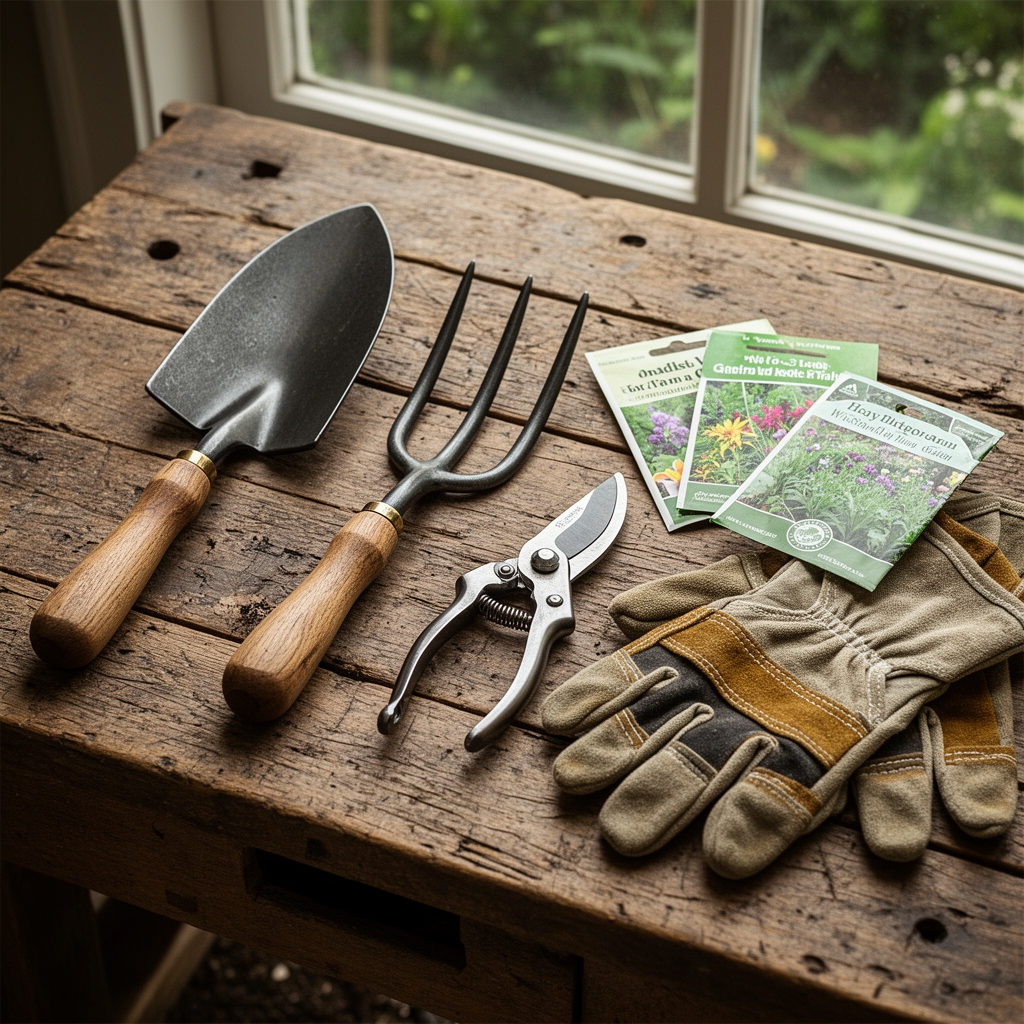
Soil amendments begin with a baseline pH test. Most aromatic vegetables thrive between 6.2 and 6.8 pH. For acidic soils below 6.0, incorporate dolomitic limestone at 5 pounds per 100 square feet. Alkaline soils above 7.2 require elemental sulfur at 1 pound per 100 square feet, worked in 6 months before planting.
A balanced organic fertilizer rated 4-4-4 provides slow-release nutrition without forcing excessive vegetative growth that dilutes essential oil concentration. Apply 2 pounds per 100 square feet during initial bed preparation. Compost aged 12 months or longer contributes to cation exchange capacity while buffering soil pH. Work in 2 inches across the entire bed.
Mycorrhizal fungi inoculant, applied at transplanting, colonizes root zones and increases phosphorus uptake by 300 percent in some trials. Granular kelp meal supplies trace minerals and natural cytokinins that support cell division. Use 1 pound per 100 square feet.
For raised beds, combine 40 percent compost, 30 percent coconut coir, 20 percent perlite, and 10 percent worm castings by volume. This blend offers drainage while maintaining moisture during peak summer transpiration.
Timing
Hardiness zones dictate planting windows. In zones 7-9, direct-sow cold-tolerant cilantro and dill 4 weeks before the last spring frost date. Their aromatic compounds develop best at soil temperatures between 50 and 65 degrees Fahrenheit.
Warm-season aromatics like basil and lemon verbena require soil temperatures above 60 degrees. Transplant seedlings 1 week after the last frost date in zones 5-6, or 2 weeks earlier in zones 7-9. Fall sowings of arugula and mustard greens occur 8 weeks before the first frost in zones 4-6, extending to 6 weeks in zones 7-9.
Succession planting of quick-maturing scented greens maintains continuous harvest. Sow arugula every 14 days from early spring through late summer. Basil benefits from three staggered plantings: early May, mid-June, and late July in zone 6.
Phases
Sowing
Direct sowing works for carrot family members with taproots. Fennel, cilantro, and dill resent transplanting. Sow seeds 1/4 inch deep in rows spaced 12 inches apart. Firm soil contact improves germination rates from 65 to 85 percent.
Seed pre-treatment accelerates emergence. Soak parsley seeds 24 hours in room-temperature water to leach germination inhibitors. Basil seeds germinate in 5 days at 75 degrees but require 14 days at 60 degrees.
Pro-Tip: Mix radish seeds with slow-germinating carrot or parsley seeds at a 1:4 ratio. Radishes emerge in 4 days, marking rows and breaking soil crust for slower companions.
Transplanting
Harden off seedlings over 7 days, increasing outdoor exposure by 2 hours daily. This process thickens cuticle layers and increases auxin distribution to roots.
Transplant on overcast days or in late afternoon to minimize transplant shock. Dig holes 1 inch deeper than root balls. Position transplants at the same depth they grew in containers, except tomatoes, which root along buried stems.
Water transplants with a solution of 1 tablespoon fish emulsion per gallon. The 5-1-1 NPK ratio and amino acids stimulate root hair development within 48 hours.
Pro-Tip: Pinch terminal growth of basil transplants at the fourth leaf node. This triggers auxin redistribution and forces lateral branching, doubling aromatic leaf production.
Establishing
Mulch beds with 2 inches of straw or shredded leaves after soil warms to 65 degrees. Earlier mulching in spring delays warming and slows establishment.
Drip irrigation delivers water at 0.6 gallons per hour per emitter, placed 6 inches from plant crowns. This rate matches root zone infiltration without runoff.
Side-dress established plants 4 weeks after transplanting with 1/4 cup per plant of 4-4-4 fertilizer, scratched into the top 2 inches of soil. Cilantro and dill require no additional feeding in properly amended soil.
Pro-Tip: Spray leaves of basil, mint, and shiso with diluted neem oil (1 tablespoon per quart) biweekly. This systemic compound absorbs through stomata and increases production of defensive aromatic compounds by 15 to 20 percent.
Troubleshooting
Symptom: Yellowing lower leaves with green veins on basil. Solution: Iron deficiency induced by high pH. Apply chelated iron at 1 tablespoon per gallon as foliar spray. Retest soil pH and amend if above 7.0.
Symptom: White powdery coating on dill and cilantro foliage. Solution: Powdery mildew from poor air circulation and overhead watering. Remove affected leaves. Apply sulfur dust at 3 ounces per 100 square feet. Space plants 12 inches apart in future plantings.
Symptom: Sudden wilting of entire cilantro plant despite moist soil. Solution: Fusarium wilt, a soilborne fungal pathogen. Remove and destroy affected plants. Solarize soil by covering with clear plastic for 6 weeks in summer. Rotate planting locations on a 3-year cycle.
Symptom: Brown margins and tip burn on basil leaves during heat waves. Solution: Calcium deficiency exacerbated by inconsistent watering. Provide 1 inch of water per week in single deep application. Foliar spray with calcium chloride at 2 teaspoons per gallon every 10 days.
Symptom: Stunted growth and purple-tinged leaves on transplanted herbs. Solution: Phosphorus deficiency in cold soil below 55 degrees. Apply liquid bone meal (0-12-0) at 2 tablespoons per gallon as soil drench. Warm soil with black plastic mulch.
Maintenance
Water established plants to maintain consistent soil moisture at 60 percent field capacity. This translates to 1 inch per week, applied in one session to encourage deep rooting to 8-inch depth.
Harvest leafy aromatics in morning after dew evaporates but before temperatures exceed 80 degrees. Essential oil concentration peaks during this window. Remove no more than one-third of foliage per harvest to maintain photosynthetic capacity.
Pinch flowers from basil, cilantro, and arugula weekly to extend vegetative production. Once bolting begins, essential oils turn bitter as plants redirect carbohydrates to seed production.
Feed every 3 weeks with compost tea diluted 1:4 with water. Brew 1 pound finished compost per gallon of water for 24 hours with aeration. This provides soluble nutrients and beneficial bacteria that colonize the rhizosphere.
Remove weeds by hand when small to avoid damaging shallow feeder roots within the top 3 inches of soil. Flame weeding with a propane torch works between rows but avoid directing heat within 6 inches of crop stems.
FAQ
When should I start seeds indoors for a scent vegetable garden?
Start basil, tomatoes, and peppers 6 to 8 weeks before the last frost date. Direct-sow cilantro, dill, and arugula outdoors as they resist transplanting.
What vegetables provide the strongest fragrance?
Basil releases linalool and eugenol. Cilantro produces aldehydes. Tomato foliage contains terpenes. Plant in high-traffic areas where brushing releases oils.
How do I intensify aromatic compounds in vegetables?
Mild water stress increases essential oil concentration by 20 to 30 percent. Reduce irrigation by one-third once plants establish, maintaining 40 percent soil moisture.
Can I grow scented vegetables in containers?
Yes. Use 5-gallon containers minimum with drainage holes. Container soil warms faster, advancing planting dates by 1 week. Water daily during summer as containers dry rapidly.
Which aromatic vegetables tolerate partial shade?
Cilantro, parsley, and mint grow in 4 hours of direct sun. Full sun intensifies heat stress and accelerates bolting in these cool-season crops.