7 Selection Steps to Prepare a Shade-Tolerant Vegetable Garden
Growing vegetables beneath tree canopies or along north-facing fences demands different soil chemistry and plant selection than full-sun production. Learning how to prepare a garden for a shade vegetable garden begins with understanding that reduced photosynthetic activity requires elevated soil organic matter, optimized drainage, and cultivars bred for low-light environments. Shade gardens in temperate zones yield steady harvests of leafy greens, brassicas, and certain root crops when soil preparation accounts for moisture competition from established tree roots.
Materials
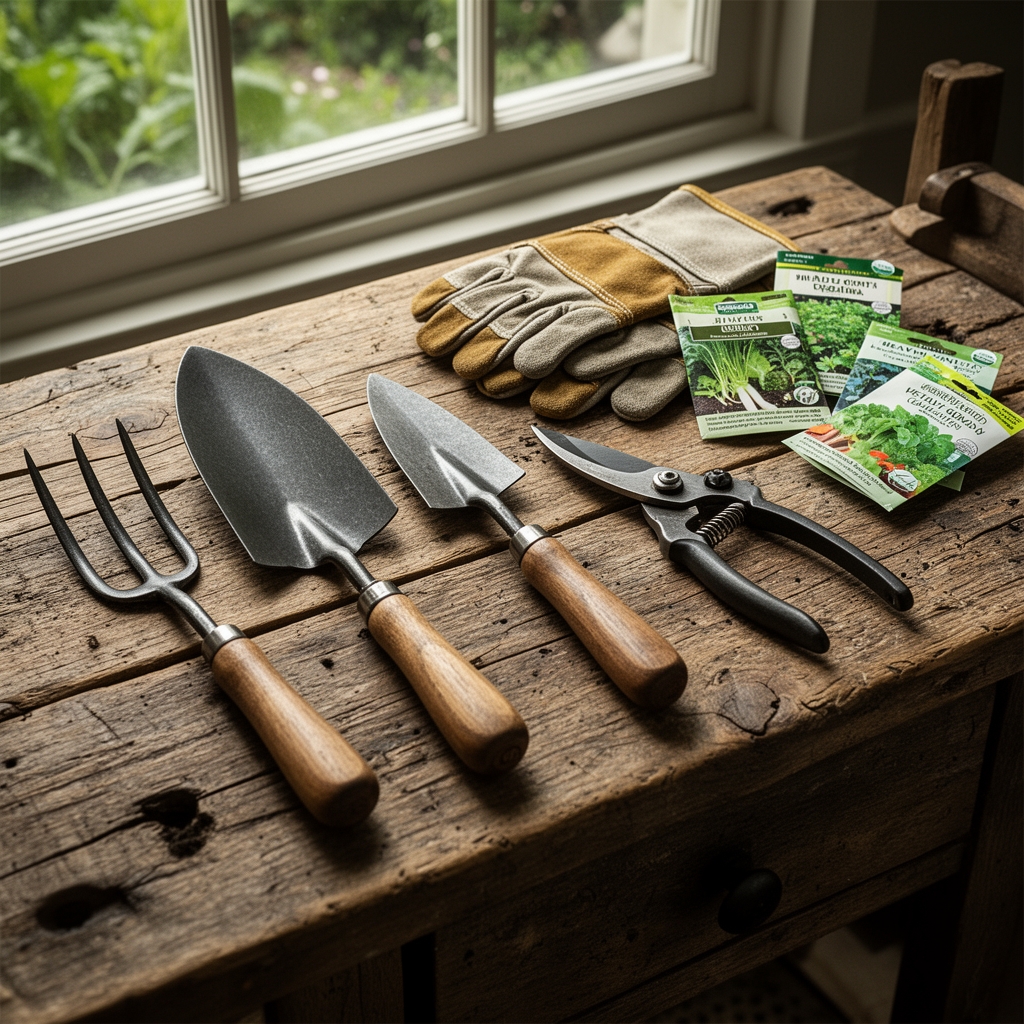
Soil amendment begins with a laboratory analysis to determine existing pH and nutrient baselines. Target pH for shade vegetables ranges from 6.2 to 6.8, slightly more acidic than full-sun gardens to facilitate iron uptake in reduced light. Incorporate aged compost at 3 cubic yards per 100 square feet, ensuring a cation exchange capacity above 10 meq/100g for nutrient retention.
For nitrogen sources, use blood meal (12-0-0) at 2 pounds per 100 square feet or feather meal (13-0-0) at the same rate. These slow-release proteins feed soil microbes that mineralize nitrogen over 8 to 12 weeks. Phosphorus requirements remain moderate; apply bone meal (3-15-0) at 3 pounds per 100 square feet or soft rock phosphate (0-3-0) for gradual release. Potassium needs are met with greensand (0-0-3) at 5 pounds per 100 square feet or kelp meal (1-0-2) at 2 pounds per 100 square feet, which also delivers trace minerals.
Balanced organic fertilizers such as 4-4-4 all-purpose meal blends work well when applied at 5 pounds per 100 square feet. Mycorrhizal fungi inoculants containing Glomus intraradices extend root surface area by 10 to 100 times, critical when competing with tree feeder roots for moisture and nutrients.
Timing
Hardiness zones dictate planting windows for shade crops. In zones 6 and 7, prepare beds 4 weeks before the last spring frost, typically mid-March to early April. Soil temperatures should reach 45°F before incorporating amendments; microbial activity stalls below this threshold.
For zones 8 and 9, fall preparation in late August allows overwintering brassicas such as kale and collards. In zones 3 through 5, delay spring planting until soil workability, usually late April to mid-May, to avoid anaerobic conditions from waterlogged cold soil.
Shade gardens extend the harvest season. Lettuce and spinach bolt at soil temperatures above 70°F in full sun but tolerate 75°F in partial shade. Schedule successive plantings every 14 days from last frost through early June, then resume in mid-August for fall crops.
Phases
Sowing
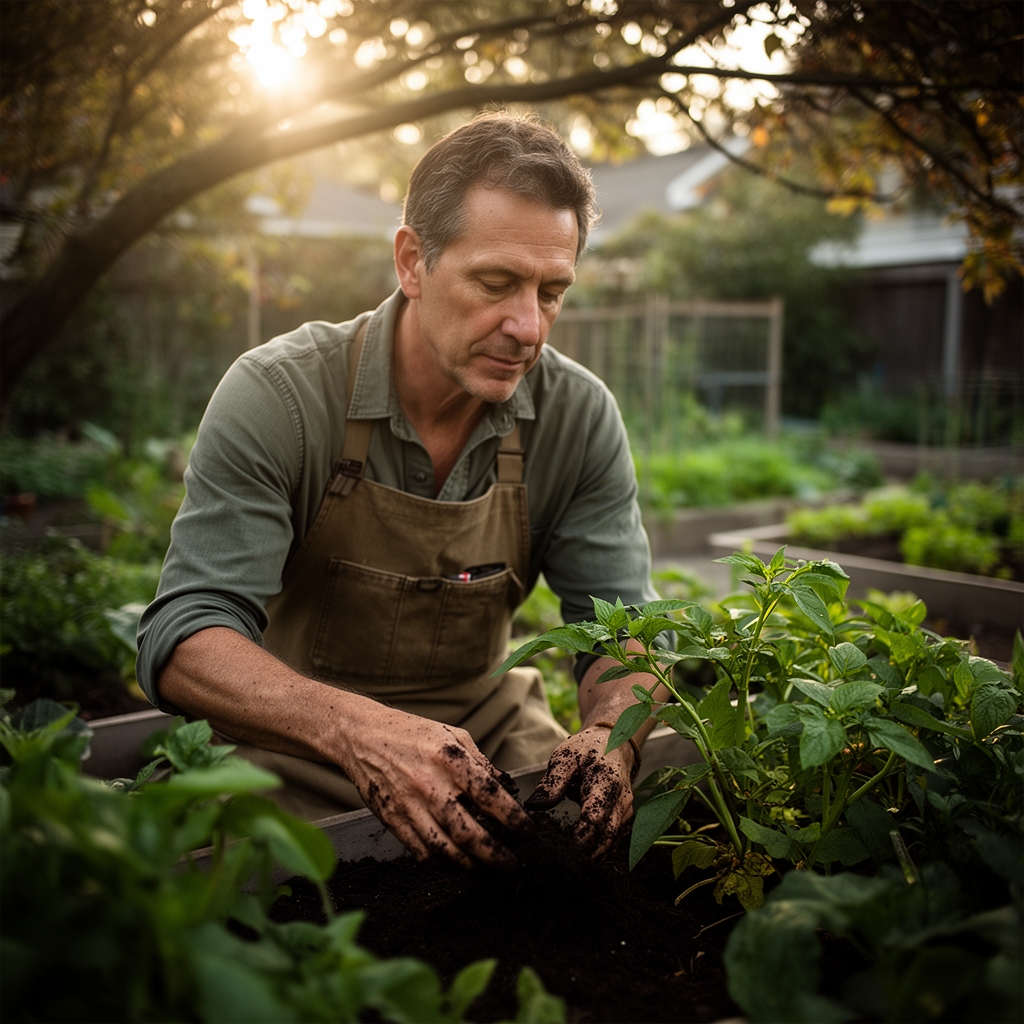
Direct-seed arugula, lettuce, spinach, and radishes when soil reaches 45°F. Sow seeds at twice the recommended depth for full-sun gardens; reduced light intensity means seedlings must rely on stored energy longer before photosynthesis becomes efficient. Space rows 10 inches apart rather than 8 inches to improve air circulation in humid shade environments.
Pro-Tip: Dust seeds with Rhizobium inoculant even for non-legumes. These bacteria colonize root zones and improve nitrogen fixation in low-light conditions, increasing leaf nitrogen content by 12 to 18 percent.
Transplanting
Start brassicas, chard, and parsley indoors under grow lights set to 14-hour photoperiods. Transplant at the four-true-leaf stage, typically 4 to 5 weeks after germination. Harden off seedlings in dappled shade for 7 days before planting to prevent transplant shock from sudden light reduction.
Dig planting holes 6 inches deep and backfill with equal parts native soil and compost. Set transplants at the same depth they occupied in containers. Water immediately with a fish emulsion solution (5-1-1) diluted to half strength, providing 0.25 gallons per plant.
Pro-Tip: Prune competing tree branches at 25-degree angles above lateral buds to redirect auxin distribution away from the garden bed. This reduces root competition within 48 inches of the cut.
Establishing
Apply 2 inches of shredded hardwood mulch around plants after soil warms to 55°F. Mulch conserves moisture and moderates temperature swings in shade microclimates. Keep mulch 3 inches away from stems to prevent fungal collar rot.
Install soaker hoses beneath mulch to deliver water at root level, reducing foliar moisture that encourages powdery mildew in low-airflow shade zones. Monitor soil moisture at 4-inch depth; maintain consistent dampness without saturation.
Pro-Tip: Foliar-feed with liquid kelp (0-0-1) every 21 days. The cytokinins in kelp extract promote cell division in low-light conditions, increasing leaf surface area by 8 to 15 percent over untreated controls.
Troubleshooting
Symptom: Yellowing lower leaves with green veins (interveinal chlorosis)
Solution: Iron deficiency caused by high pH. Apply chelated iron (Fe-EDDHA) at 1 tablespoon per gallon of water as a drench. Lower pH with elemental sulfur at 0.5 pounds per 100 square feet.
Symptom: Stunted growth with purplish leaf undersides
Solution: Phosphorus deficiency exacerbated by cool soil. Side-dress with bone meal at 1 pound per 10 linear feet. Cover beds with clear plastic sheeting for 10 days to raise soil temperature by 6 to 8°F.
Symptom: Irregular holes in leaves, silvery slime trails
Solution: Slug activity, common in damp shade. Apply diatomaceous earth in a 3-inch band around beds. Alternatively, set shallow dishes of beer 15 feet apart; replace every 72 hours.
Symptom: White powdery coating on upper leaf surfaces
Solution: Powdery mildew from poor air circulation. Remove infected leaves. Spray with potassium bicarbonate solution (1 tablespoon per gallon) weekly. Space plants 2 inches wider than standard recommendations.
Symptom: Bolting in early summer despite cool shade
Solution: Long daylength triggers, not heat alone. Select bolt-resistant cultivars such as 'Skyphos' lettuce or 'Tyee' spinach, bred for extended harvest windows.
Maintenance
Irrigate with 1 inch of water per week, measured with rain gauges placed in the garden bed. Split applications into two 0.5-inch waterings spaced 3 to 4 days apart to prevent runoff on sloped sites.
Side-dress every 4 weeks with compost at 0.5 inches depth, lightly scratched into the top 1 inch of soil. This slow-release feeding sustains steady leaf production without promoting excessive vegetative growth that increases disease susceptibility.
Scout for pests every 3 days. Hand-pick caterpillars and beetles into soapy water. Deploy yellow sticky traps 8 inches above canopy height to monitor aphid populations.
Prune tree canopy every spring to maintain 4 to 6 hours of dappled light. Measure with a light meter; aim for 2,000 to 4,000 foot-candles during midday for optimal leafy green production.
FAQ
What vegetables tolerate full shade?
None produce well in full shade (under 1,000 foot-candles). Lettuce, spinach, arugula, kale, chard, and Asian greens succeed in partial shade receiving 3 to 4 hours of direct morning sun or dappled light throughout the day.
Can tomatoes grow in shade?
Standard tomatoes require 8 hours of direct sun. Shade reduces fruit set and increases disease pressure. Focus on leafy crops and brassicas bred for low-light conditions.
How do I improve drainage in shade with clay soil?
Build raised beds 12 inches high with a 50/50 mix of native clay and coarse compost. Incorporate perlite at 10 percent by volume to increase pore space and oxygen availability.
Should I fertilize more or less in shade?
Apply 75 percent of full-sun fertilizer rates. Lower photosynthetic activity means plants process fewer nutrients. Excess nitrogen causes weak, disease-prone growth.
What's the best mulch for shade vegetables?
Shredded hardwood bark at 2-inch depth. Avoid fresh wood chips, which tie up nitrogen during decomposition. Straw retains excessive moisture in low-evaporation shade environments.