7 Custom Steps to Build a Patio Vegetable Planter Box
The sharp scent of cedar sawdust rises as you mark your first cut, transforming raw lumber into a soil-filled vessel that will feed your household for months. Steps for building a vegetable garden planter box demand precision in carpentry, soil chemistry, and microbial management. A well-constructed raised bed on a patio offers controlled drainage, optimized cation exchange capacity, and protection from soil-borne pathogens that plague in-ground plots. This guide prioritizes structural longevity and biological performance.
Materials
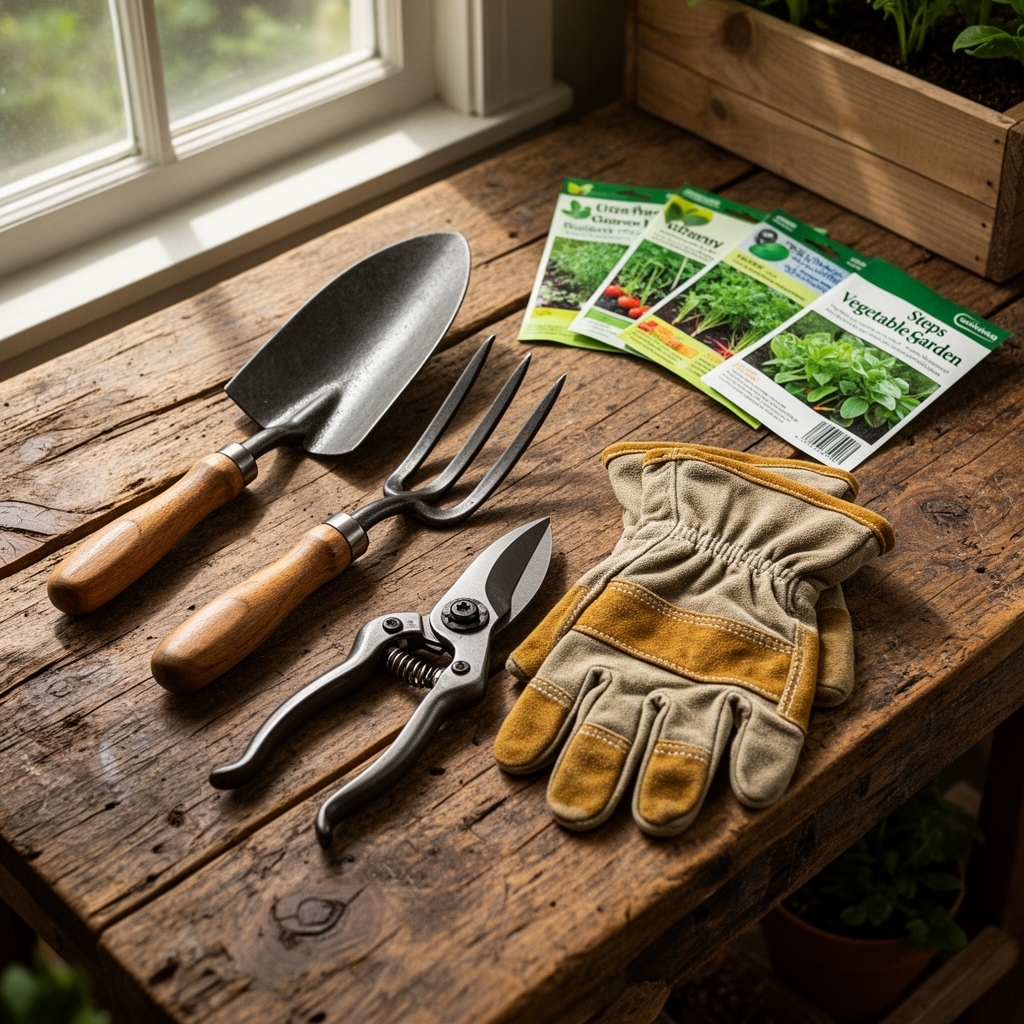
Select untreated cedar or redwood boards (nominal 2×10 or 2×12 dimensions) for rot resistance. Pressure-treated lumber contains copper compounds that leach into substrates and inhibit mycorrhizal colonization. Galvanized deck screws (3-inch length) provide superior holding power compared to nails in seasonal expansion cycles.
For the growing medium, blend 40% aged compost (pH 6.5-7.0), 30% peat moss or coir (pH 5.5-6.5), and 30% perlite or coarse vermiculite. Incorporate a balanced organic amendment at 4-4-4 NPK ratio (such as feather meal, bone meal, and kelp meal blend) at 2 pounds per cubic foot. Add dolomitic lime at 1/4 cup per cubic foot if your base compost tests below pH 6.2. This buffer prevents calcium and magnesium deficiencies in fruiting crops.
Apply a food-grade liner (pond liner or thick polyethylene sheeting) to interior walls, stapled at top edges only. This barrier prevents tannin leaching from cedar while allowing bottom drainage. Drill 1/2-inch drainage holes every 6 inches along the base before assembly.
Timing
Construct your planter box 4-6 weeks before your last expected frost date. This window allows the substrate to stabilize as aerobic bacteria colonize organic matter and pH equilibrates. Hardiness zones 7-10 can build in late winter (January-February). Zones 4-6 should wait until soil temperatures at 4-inch depth reach 45°F, typically mid-March to early April.
Fill the box and water thoroughly three times over two weeks before planting. This settling period eliminates air pockets that cause root desiccation and activates nutrient mineralization. Substrate temperature should reach 55°F for warm-season crops (tomatoes, peppers, cucurbits) and 40°F for cool-season brassicas and alliums.
Phases
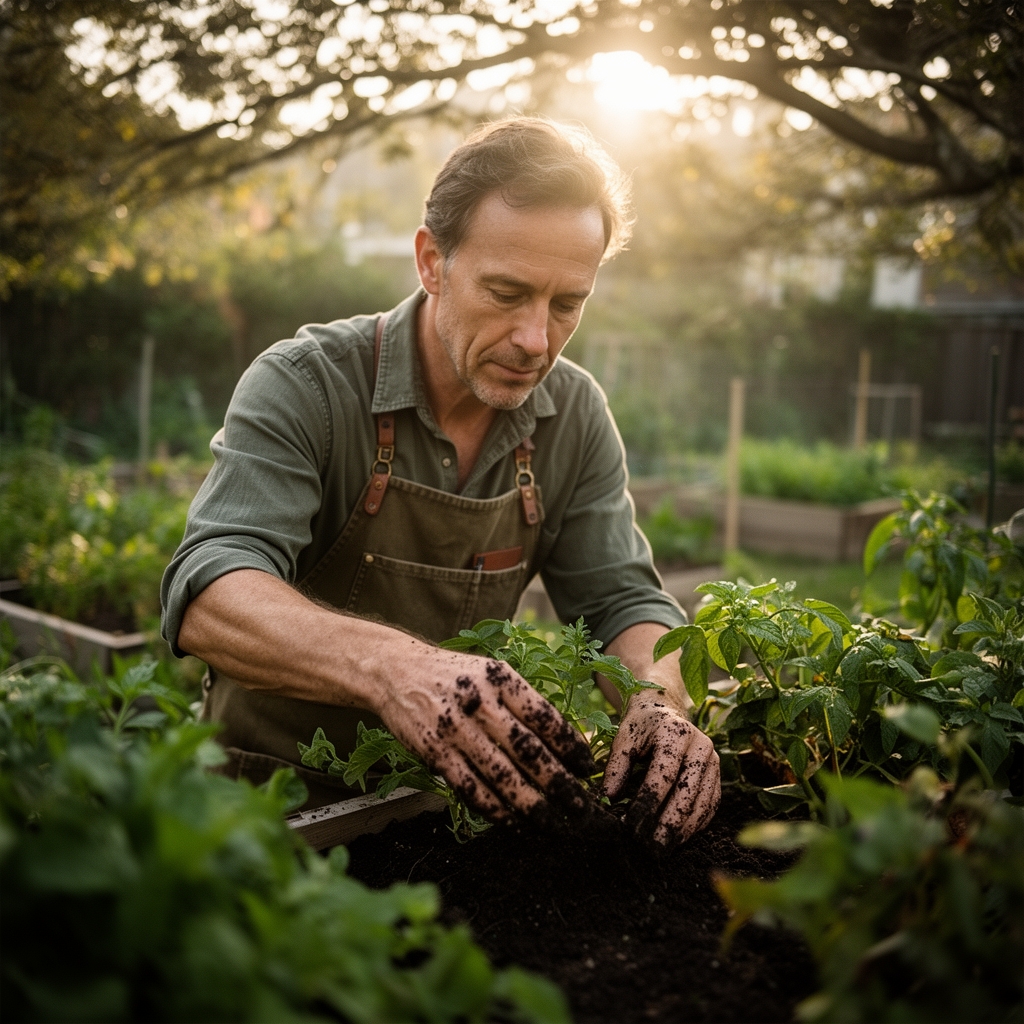
Sowing Phase: Direct-seed carrots, radishes, and salad greens at 1/4-inch depth when substrate temperature stabilizes at 50°F. Space rows 4 inches apart in a grid pattern to maximize photosynthetic area. Cover seeds with screened compost to prevent crusting that blocks hypocotyl emergence.
Pro-Tip: Inoculate legume seeds (peas, beans) with Rhizobium bacteria powder immediately before sowing. This symbiotic relationship fixes atmospheric nitrogen at rates of 2-3 pounds per 100 square feet per season, reducing fertilizer dependence by 40%.
Transplanting Phase: Set out seedlings when true leaves (not cotyledons) number four or more. Tomatoes and peppers tolerate burial up to their lowest leaf nodes, promoting adventitious root formation along buried stems. This increases water and nutrient uptake capacity by 30-50%.
Pro-Tip: Apply mycorrhizal fungi granules (Glomus intraradices species) directly into transplant holes at 1 teaspoon per plant. Hyphal networks extend effective root zones by 100-fold, accessing phosphorus in soil pores roots cannot penetrate.
Establishing Phase: Stake indeterminate tomatoes within 7 days of transplant to avoid root disturbance. Use 6-foot bamboo poles driven 12 inches deep. Prune suckers at 45-degree angles using sterilized shears to prevent auxin accumulation that diverts energy from fruit set.
Pro-Tip: Mulch with 2 inches of straw (not hay, which contains weed seeds) after soil warms to 65°F. This layer reduces evapotranspiration by 60% and moderates substrate temperature swings that stress root systems.
Troubleshooting
Symptom: Interveinal chlorosis on new growth (yellow leaves with green veins).
Solution: Iron deficiency induced by high pH. Apply chelated iron (Fe-EDDHA formulation) as foliar spray at 1 tablespoon per gallon. Reduce pH long-term by incorporating sulfur at 1/2 cup per 10 square feet.
Symptom: Blossom-end rot (dark, sunken lesions on fruit bottoms).
Solution: Calcium translocation failure due to irregular watering. Maintain consistent moisture at 1.5 inches per week. Foliar-applied calcium has minimal effect; address water stress first.
Symptom: Powdery white coating on leaf surfaces.
Solution: Powdery mildew fungus thrives in humid, stagnant air. Space plants 18 inches apart minimum. Spray with 1 tablespoon baking soda plus 1 teaspoon insecticidal soap per quart of water weekly.
Symptom: Small holes in leaves with green-black beetles present.
Solution: Flea beetles. Apply diatomaceous earth at first sign. For severe infestations, use spinosad (organic bacterial toxin) at labeled rates, applied at dusk to protect pollinators.
Symptom: Wilting despite moist soil.
Solution: Verticillium or Fusarium wilt (vascular fungi). Remove affected plants immediately. Solarize substrate by covering with clear plastic for 6 weeks in summer heat to sterilize remaining pathogen load.
Maintenance
Irrigate when the top 1 inch of substrate feels dry to touch, typically delivering 1.5 inches of water per week through drip lines or soaker hoses. Surface watering promotes shallow rooting and foliar diseases. Water in early morning to allow leaf surfaces to dry before nightfall.
Side-dress heavy feeders (tomatoes, squash, peppers) with 1/4 cup 5-5-5 organic fertilizer per plant every 3 weeks after flowering begins. Excess nitrogen (high first number) delays fruiting and promotes aphid infestations.
Monitor pH monthly using a soil probe. Most vegetables require 6.2-6.8 range. Values below 6.0 lock out calcium and magnesium; above 7.2 restricts iron and manganese availability.
FAQ
How deep should a patio vegetable planter box be?
Minimum 10 inches for salad greens and herbs, 12-14 inches for root crops and bush beans, 18 inches for tomatoes and deep-rooted brassicas.
Can I reuse planter box soil next season?
Yes. Remove old root material, add 2 inches of fresh compost, and reincorporate 4-4-4 organic fertilizer at 1.5 pounds per cubic foot. Test and adjust pH before replanting.
What vegetables grow best in confined planter boxes?
Bush varieties of tomatoes, peppers, cucumbers, beans, and compact squash. Avoid vining indeterminate types unless vertical trellising is installed.
How do I prevent wood rot in my planter box?
Use naturally rot-resistant cedar or redwood. Apply interior liner to reduce moisture contact. Elevate box on brick or stone feet to promote airflow underneath.
When should I replace planter box substrate completely?
Every 4-5 years or when drainage slows noticeably. Organic matter decomposes into fine particles that reduce pore space and oxygen availability to roots.