7 Health Benefits of Mineral-Based Substrates for Succulents
Crush a handful of dry pumice and the scent is neutral; it is the smell of sterile stability. When you press the leaf of a Crassula ovata, the resistance you feel is turgor pressure, a direct result of efficient hydraulic lift within the plant. Using a mineral-based substrate for succulents ensures this internal pressure remains constant by preventing the root asphyxiation common in peat-heavy mixes. Traditional potting soils often collapse over time, creating anaerobic pockets that invite fungal pathogens. A mineral-heavy medium, composed of calcined clay, lava rock, and granite, maintains a structural integrity that organic matter cannot match. This physical stability allows the rhizosphere to breathe, facilitating a gas exchange rate that mimics the arid, rocky outcrops where these species evolved. By eliminating the spongy, water-retaining properties of humus, the cultivator gains absolute control over the moisture cycle. This precision is the difference between a plant that merely survives and one that exhibits the dense, compact growth and intense pigmentation sought by serious collectors.
Materials:
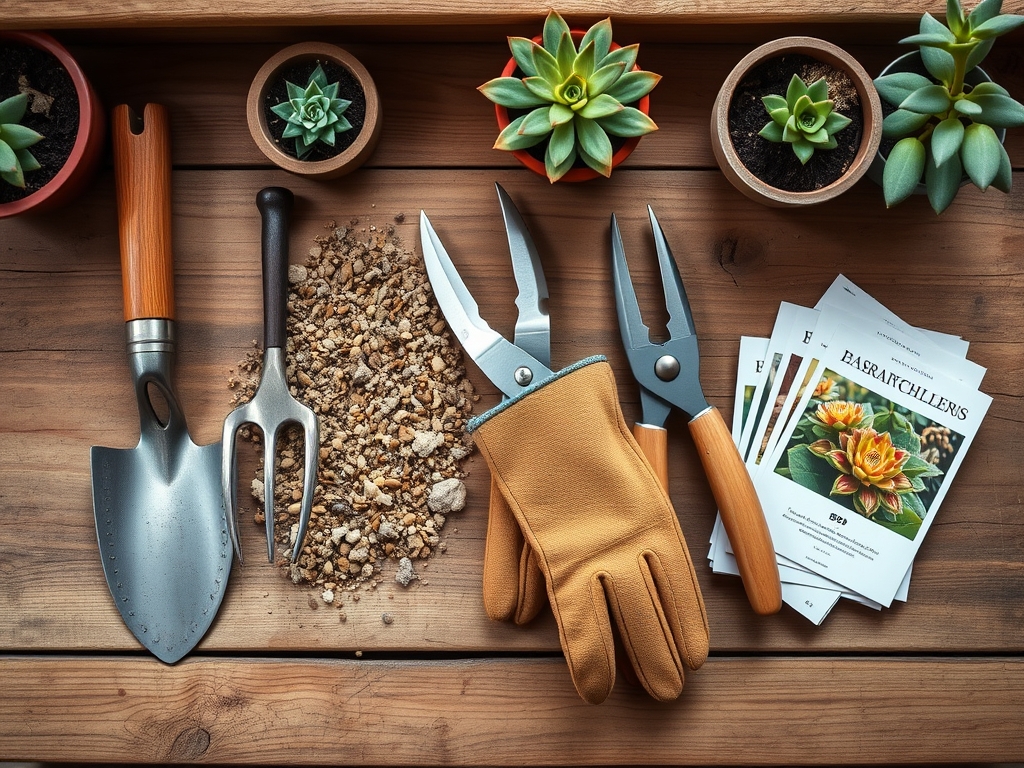
The ideal mineral substrate must maintain a pH range between 5.5 and 6.5 to optimize nutrient availability. At this acidity level, essential micronutrients like iron and manganese remain soluble. The physical texture should be a gritty, free-flowing aggregate with particle sizes ranging from 2mm to 6mm. This creates a friable environment that prevents compaction.
Because mineral substrates are often inert, the NPK ratio is managed through supplemental fertilization. For vegetative growth, a low-nitrogen ratio of 1-2-2 (such as 5-10-10) is preferred to prevent etiolation. High Cation Exchange Capacity (CEC) materials like zeolite or montmorillonite clay should be included at a 10 percent volume to hold onto cations like Potassium (K+) and Magnesium (Mg2+), preventing them from leaching during irrigation.
Timing:
Succulent metabolism is dictated by the photoperiod and ambient temperature. In Hardiness Zones 8 through 11, most succulents experience a growth surge when night temperatures stabilize between 50 and 65 degrees Fahrenheit. This is the critical window for repotting into mineral media. Avoid substrate transitions during the peak of summer dormancy or the depths of winter when the biological clock is in a state of senescence.
The transition from the vegetative stage to the reproductive stage (flowering) is triggered by seasonal light shifts. For many genera like Echeveria, this occurs after the winter solstice as day length increases. Ensure the substrate is well-settled at least six weeks prior to the expected frost-free date in your specific microclimate to allow for root establishment before the energy-intensive flowering phase begins.
Phases:
Sowing
When starting from seed, use a finer mineral grade of 1mm to 2mm. Surface-sow the seeds and maintain a constant humidity of 70 percent until germination occurs.
Pro-Tip: Maintain a consistent soil temperature of 72 degrees Fahrenheit to trigger the release of gibberellins, the hormones responsible for breaking seed dormancy and initiating embryonic growth.
Transplanting
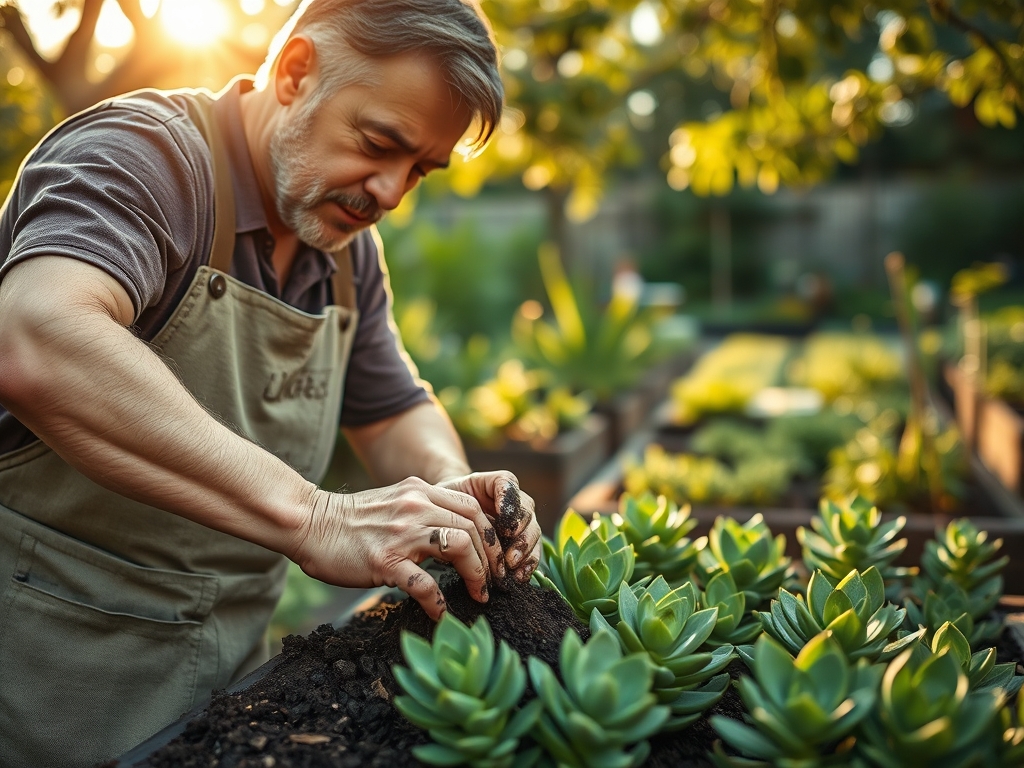
Remove all old organic "nursery soil" from the root ball using a soft brush. Inspect the roots for any signs of decay. Place the plant in the mineral substrate, ensuring the crown sits slightly above the surface to prevent moisture trap.
Pro-Tip: Wait five to seven days before watering after a transplant. This delay allows for the "callousing" of microscopic root tears, preventing opportunistic pathogens from entering the vascular system via bruised tissue.
Establishing
During the first 21 days, the plant focuses on exploratory root growth. Mineral substrates encourage a more branched, fibrous root system compared to the long, spindly roots found in peat.
Pro-Tip: Use a diluted seaweed extract during the second watering to introduce auxins. These phytohormones stimulate lateral root branching through the suppression of apical dominance in the root tips, leading to a more robust foundation.
The Clinic:
Symptom: Interveinal chlorosis (yellowing between leaf veins).
Solution: This typically indicates a Magnesium deficiency. Apply a solution of one tablespoon of Epsom salts per gallon of water. Mineral substrates lack the natural magnesium found in organic matter.
Symptom: Soft, translucent leaves at the base.
Solution: This is edema caused by over-absorption of water. Increase the percentage of large-pore pumice in the mix to speed up evaporation and reduce the water-holding capacity of the rhizosphere.
Symptom: Stunted growth with purple-tinted foliage.
Solution: This indicates Phosphorus deficiency, often exacerbated by cold substrate temperatures below 55 degrees Fahrenheit. Move the plant to a warmer location or provide a high-phosphorus starter fertilizer.
Fix-It: Nitrogen Chlorosis
If the entire plant turns a pale lime green, it lacks nitrogen. Apply a balanced liquid fertilizer at quarter-strength every other watering. Mineral substrates provide zero nitrogen on their own; the cultivator must provide it.
Maintenance:
Precision is mandatory. Use a soil moisture meter to verify that the substrate is 100 percent dry at the core before re-watering. When irrigating, apply water until it flows freely from the drainage holes, ensuring a total flush of accumulated mineral salts. Most succulents in a mineral mix require a deep soak every 10 to 14 days depending on airflow.
Keep a hori-hori knife sharpened for weeding and a pair of stainless steel bypass pruners for removing spent flower stalks or dead lower leaves. If you detect a pest like mealybugs, isolate the plant immediately and treat with 70 percent isopropyl alcohol applied via a cotton swab. The mineral substrate makes this easier, as it does not provide the damp, organic surface where many pests lay eggs.
The Yield:
While most succulents are grown for aesthetics, some species like Aloe vera or Opuntia are harvested for their gel or fruit. Harvest Aloe leaves from the outermost ring using a sterilized blade. Cut at the base of the leaf to avoid leaving a "stub" that could rot. For Opuntia fruit, harvest when the color is deep purple and the fruit yields slightly to pressure.
To maintain "day-one" freshness for cuttings, place them in a cool, dry area with indirect light for four days to callous. This prevents moisture loss and prepares the cutting for successful propagation in a fresh mineral-based substrate.
FAQ:
Why is mineral substrate better than potting soil?
Mineral substrates provide superior aeration and do not decompose. This prevents root rot by ensuring the rhizosphere dries quickly. It also allows for precise control over nutrient delivery through water-soluble fertilizers.
How often should I fertilize succulents in minerals?
Apply a low-nitrogen, water-soluble fertilizer at 25 percent strength every second or third watering during the active growing season. Stop all fertilization during the winter dormancy period to prevent weak, leggy growth.
Do I need to wash my mineral components?
Yes. Rinse pumice, gravel, and lava rock to remove "fines" or dust. These small particles can settle at the bottom of the pot, creating a "perched water table" that inhibits drainage and restricts oxygen flow.
Can I reuse mineral substrate?
Mineral substrates are indefinitely reusable. Sterilize the material by baking it at 200 degrees Fahrenheit for 30 minutes or soaking it in a 10 percent bleach solution to eliminate any lingering pathogens or pests.