9 Protection Steps to Install a Vegetable Patch Fence Panel
The first frost warning sends experienced gardeners scrambling to protect tender seedlings, and a properly installed fence panel can mean the difference between a full harvest and total crop loss. Steps for installing a vegetable garden fence panel require precise attention to soil contact, structural integrity, and material selection that won't leach toxins into root zones. The panels act as physical barriers against rabbits, deer, and groundhogs while creating microclimates that moderate temperature swings by 4 to 7 degrees Fahrenheit.
Materials
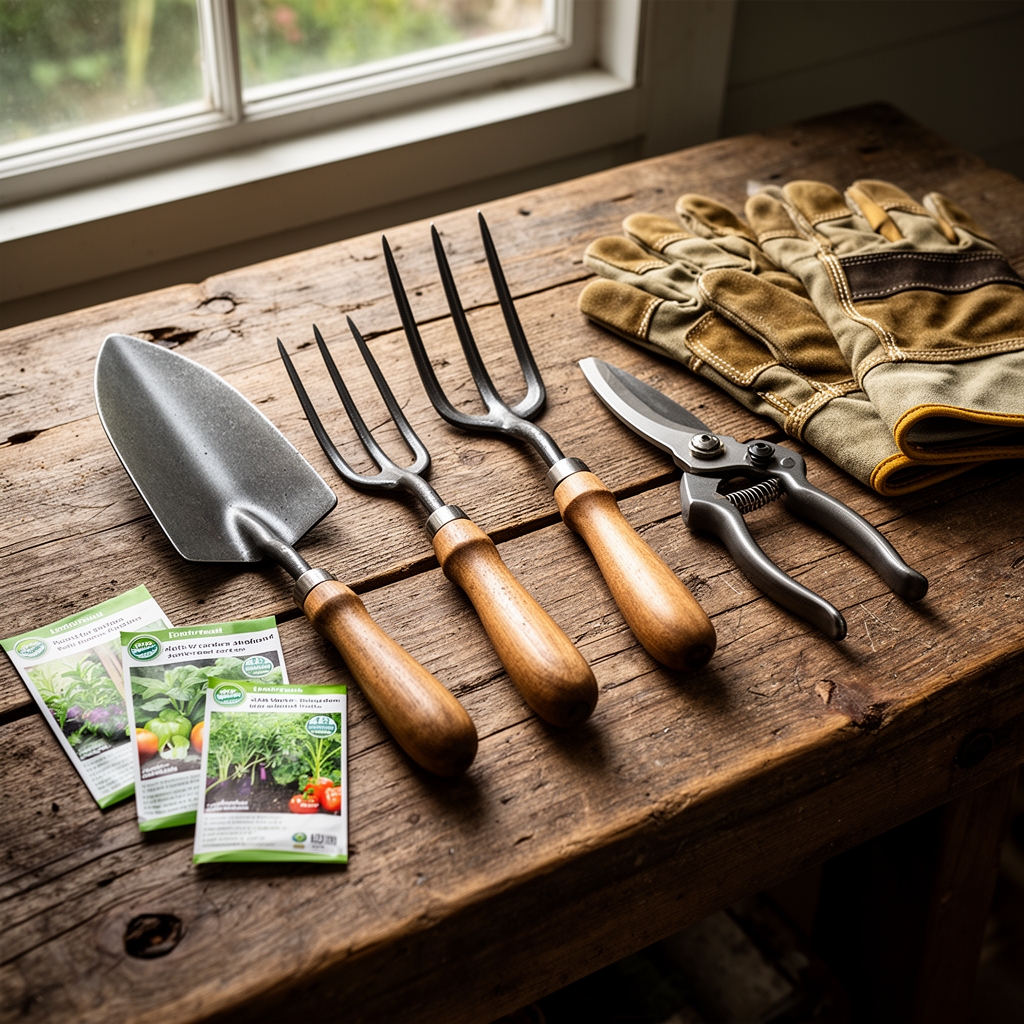
Select untreated cedar or black locust posts with a minimum diameter of 4 inches. These species resist decay without chemical preservatives that can alter soil pH below 6.0 or elevate aluminum saturation. Avoid pressure-treated lumber containing copper azole compounds, which inhibit mycorrhizal fungi colonization within a 6-inch radius.
Wire mesh options include 16-gauge galvanized steel with 1-inch openings for rabbit exclusion or 2-inch openings for deer deterrence. The galvanized coating prevents rust-induced iron toxicity in neutral to alkaline soils (pH 7.0 to 8.5). Hardware cloth with quarter-inch mesh provides protection against voles and mice but requires support every 24 inches to prevent sagging.
Organic amendments for post-hole backfill should maintain native cation exchange capacity. Use a 4-4-4 NPK organic meal blended with native soil at a 1:10 ratio. Avoid high-nitrogen amendments like blood meal (12-0-0) within 12 inches of post bases, as excess nitrogen promotes soft growth susceptible to fungal penetration in wet conditions.
Fasteners must be stainless steel or coated to prevent galvanic corrosion. Each panel connection requires four 2-inch deck screws or ring-shank nails. Standard zinc-plated hardware degrades within 18 to 24 months in acidic soils below pH 5.5.
Timing
Hardiness Zone 3 through 5 gardeners should install panels in late March to early April, when frost heave has stabilized but before vegetable transplanting begins. Soil temperature at 6-inch depth should reach 45 degrees Fahrenheit for optimal post-hole digging and concrete curing if used.
Zone 6 through 7 installations occur from mid-March through mid-April. Zone 8 through 10 gardeners can install year-round but should avoid periods of excessive rainfall when soil compaction around posts creates anaerobic conditions that accelerate wood decay.
Fall installations in September through October allow post settling over winter. Frost heave cycles improve soil-to-post contact through repeated expansion and contraction. This timing suits cold-frame integration for season extension into November and December.
Phases

Foundation Phase
Excavate post holes to 24 inches depth in non-freezing climates or 30 inches in Zone 6 and colder to reach below frost line. Hole diameter should measure 8 inches, creating a 2-inch clearance around 4-inch posts. Place 4 inches of crushed gravel at hole bottom for drainage. This prevents capillary water rise that causes basal rot within three growing seasons.
Set corner posts first. Use a 4-foot level on two adjacent faces. Temporary diagonal bracing maintains plumb alignment during backfill. Tamp soil in 3-inch lifts using a steel digging bar to achieve 85 percent compaction. Each lift requires 15 to 20 strikes per post.
Pro-Tip: Inoculate backfill soil with endo-mycorrhizal fungi at 1 tablespoon per cubic foot. The symbiotic relationship extends effective root zones of nearby plants by 200 to 300 percent, improving nutrient uptake even through fence line competition.
Panel Attachment Phase
Space intermediate posts at 8-foot centers for rigid panels or 6-foot centers for flexible wire mesh. Attach mesh to posts starting 2 inches below soil grade to prevent burrowing animals from accessing root zones. Bury an additional 6 inches of mesh in an L-shaped footer trench angled outward at 90 degrees.
Stretch wire mesh taut before fastening. Slack allows animal breaching and wind damage. Use fence stretchers or come-alongs to achieve 40 to 50 pounds of tension across 8-foot spans. Fasten every 6 inches vertically along posts.
Pro-Tip: Install panels on the interior side of posts facing the garden. This configuration forces animals to climb rather than push, and prevents panel dislodgement from external pressure.
Stabilization Phase
Top horizontal rails cap posts at 48 inches for rabbit protection or 96 inches for deer exclusion. Rails distribute lateral loads across multiple posts. Secure rails with two screws per post connection.
Apply linseed oil to untreated wood surfaces at a rate of 150 square feet per quart. Two coats applied 24 hours apart penetrate 1/8 inch deep, extending service life from 8 years to 15 years in humid climates.
Pro-Tip: Paint post tops with aluminum roof coating. This reflects ultraviolet radiation that degrades lignin bonds, reducing checking and splitting at exposed end grain.
Troubleshooting
Symptom: Posts lean 5 to 10 degrees within first season.
Solution: Excavate to 12 inches depth on lean side. Drive two 24-inch rebar stakes at 45-degree angles through post face. Backfill and retamp.
Symptom: Mesh detachment at soil grade from freeze-thaw.
Solution: Install 2-by-4 treated ground contact boards horizontally at grade. Staple mesh to board every 4 inches before burial. Board sacrifices to protect mesh anchoring.
Symptom: Corner posts rotate despite vertical stability.
Solution: Retrofit with perpendicular knee braces cut at 45-degree angles. Secure with through-bolts rather than screws for rotational resistance exceeding 150 foot-pounds.
Symptom: Rust staining on leaves within 18 inches of fence.
Solution: Test soil iron levels. Apply sulfur at 2 pounds per 100 square feet if pH exceeds 7.5. Sulfur oxidation lowers pH to 6.8, reducing iron solubility.
Maintenance
Inspect connections every 60 days during growing season. Retighten screws that back out from thermal expansion. Panels expand 1/16 inch per 8-foot section when temperature fluctuates 30 degrees Fahrenheit.
Apply 1 inch of water weekly to soil within 24 inches of fence line. Root competition from nearby plants increases auxin distribution toward water sources, causing stem lean away from panels.
Trim vegetation to 6 inches clearance from posts. Direct plant contact maintains moisture against wood, reducing rot resistance by 40 percent annually.
Reapply linseed oil every 36 months to weather-exposed surfaces. UV degradation eliminates protective coating at 0.04 inches per year.
FAQ
How deep should fence posts go in Zone 5?
Install posts 30 inches deep to reach below the 28-inch average frost line. Add 4 inches of gravel base for drainage.
What NPK ratio prevents nitrogen burn near posts?
Use balanced 4-4-4 organic amendments within root zones. Higher ratios like 10-10-10 create salt accumulation exceeding 1,200 ppm.
Can I install panels without concrete?
Yes. Tamped native soil provides sufficient stability in non-sandy conditions. Concrete prevents beneficial soil microbe colonization of post surfaces.
How do I prevent galvanic corrosion on fasteners?
Use stainless steel screws or separate dissimilar metals with rubber washers. Galvanic reactions accelerate in soils with electrical conductivity above 0.4 dS/m.
What mesh size excludes rabbits but allows pollinators?
One-inch openings block rabbits while permitting access for bees with 0.5-inch body widths. Quarter-inch mesh blocks beneficial insects.