7 Sturdy Steps to Build a Sturdy Garden Pergola for Vines
The morning sun filters through bare cross-beams, casting sharp lines across empty soil beds below. Within weeks, those same beams will support cascades of pole beans, trellising cucumbers, and climbing peas, transforming vertical space into productive acreage. The steps for building a vegetable garden pergola require precision in material selection, structural engineering, and horticultural planning, but the payoff arrives in doubled yields per square foot and shade-cooled microclimates beneath the canopy.
Materials
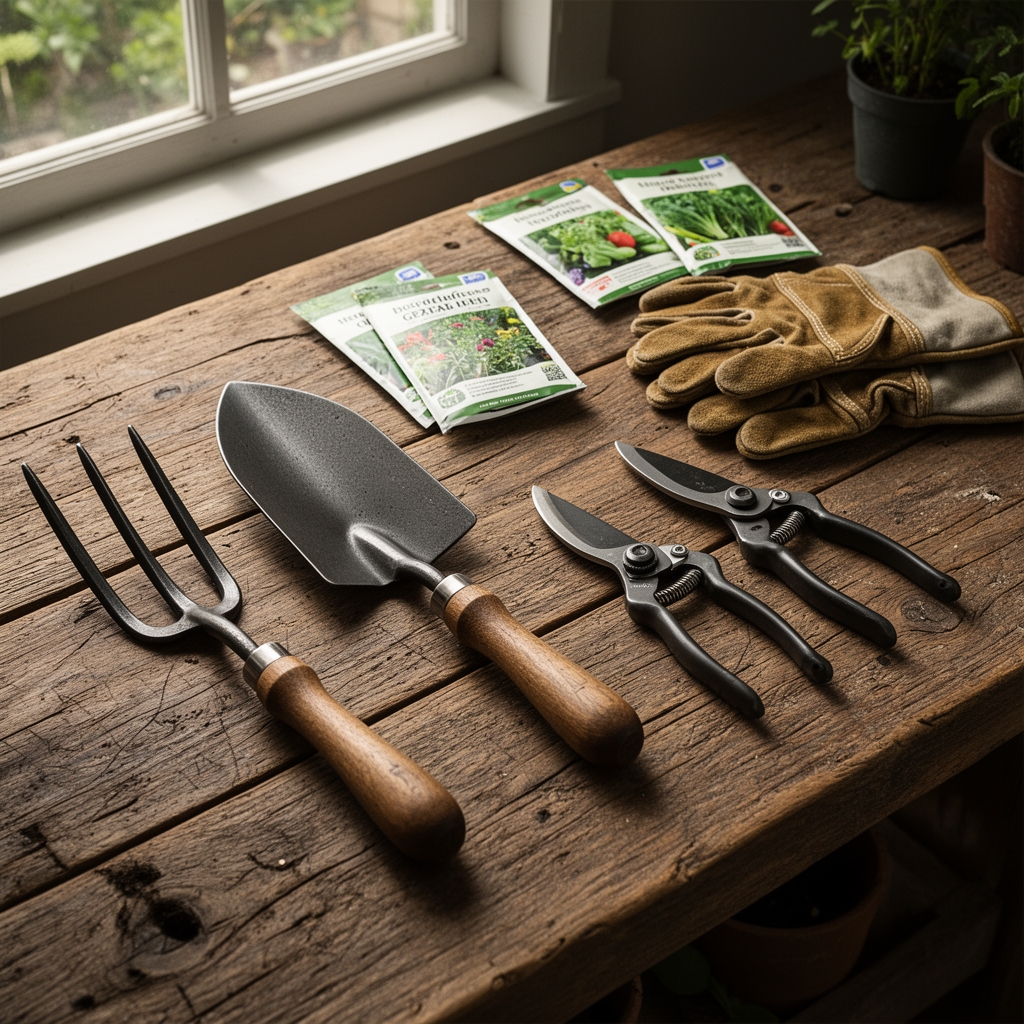
Select pressure-treated lumber rated for ground contact (0.40 PCF retention minimum) or naturally rot-resistant species such as cedar or black locust. Posts demand 4×4-inch dimensions at minimum, with cross-beams at 2×6 inches for spans under 8 feet. Galvanized joist hangers, 3-inch deck screws, and post anchors form the hardware backbone.
Soil amendments beneath the structure require attention to cation exchange capacity. Incorporate a 4-4-4 organic fertilizer blend (feather meal, bone meal, kelp) at 2 pounds per 10 square feet before planting. For acid-loving vines like passionflower, adjust pH to 5.5-6.2 using elemental sulfur at 1 pound per 100 square feet. Neutral-preference crops (cucurbits, legumes) thrive at 6.5-7.0 pH. Mycorrhizal fungi inoculant applied at root zones increases phosphorus uptake by 40 percent in established plantings.
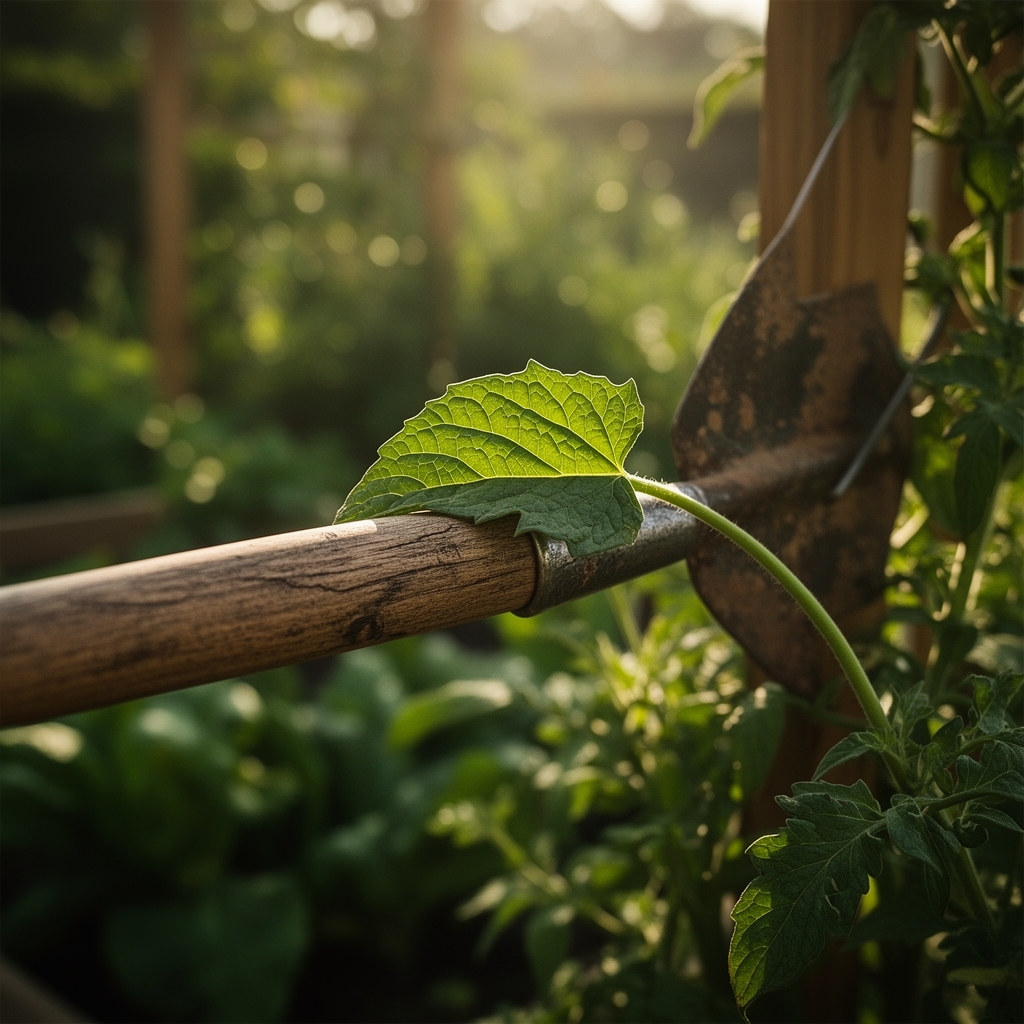
Cable or galvanized wire (14-gauge minimum) provides lateral support between beams. Jute twine serves annual crops that decompose cleanly each season. Avoid treated wood in contact with edible plant tissue.
Timing
Construct the pergola frame during dormant seasons, ideally 4-6 weeks before the last spring frost date. Zone 5 gardeners should complete installation by mid-April. Zone 7 targets late February. Zone 9 allows year-round construction but benefits from winter assembly to avoid summer heat stress during manual labor.
Seed sowing for vine crops follows soil temperature thresholds. Cucumbers germinate at 70°F minimum. Pole beans tolerate 60°F. Peas prefer 45-55°F and establish 6-8 weeks before the last frost. Hardiness zones dictate succession planting intervals: Zone 6 permits two cucumber crops (early May and late June sowings), while Zone 9 achieves three rotations with heat-tolerant cultivars.
Phases
Foundation and Framing
Dig post holes 30 inches deep, extending below the frost line for your zone. Set posts in 6 inches of compacted gravel for drainage, then backfill with concrete mixed at 6:1 aggregate-to-cement ratio. Plumb posts with a 4-foot level before concrete cures. Attach cross-beams using joist hangers, spacing beams 18-24 inches apart for dense shade or 36 inches for dappled light.
Pro-Tip: Coat cut lumber ends with copper naphthenate preservative to seal exposed grain and extend lifespan by 5-7 years.

Soil Preparation and Transplanting
Cultivate beds to 12-inch depth, breaking clods to pea-sized aggregates. Layer 3 inches of aged compost (C:N ratio 25:1 or lower) and incorporate 2 weeks before transplanting. This waiting period allows microbial populations to stabilize and prevents nitrogen drawdown during auxin-driven root development.
Transplant seedlings at 12-18 inches spacing for indeterminate vines. Water transplants with diluted fish emulsion (3-2-2 NPK) at 1 tablespoon per gallon to reduce transplant shock. Install drip irrigation lines before mulching to simplify mid-season access.
Pro-Tip: Apply Trichoderma harzianum fungal inoculant directly to root balls during transplanting to suppress Fusarium and Pythium by competitive colonization.
Training and Establishing Vertical Growth
Guide primary shoots to vertical supports within 5 days of transplanting. Twine ties should form figure-eight loops to prevent stem girdling as diameter expands. Prune lateral shoots below 12 inches on indeterminate tomatoes and cucumbers to concentrate auxin distribution upward.
Cucurbit tendrils coil autonomously but benefit from initial guidance. Legume vines (peas, beans) twine counterclockwise in the Northern Hemisphere due to circumnutation patterns. Position supports accordingly to minimize mechanical resistance.
Pro-Tip: Pinch terminal buds on pole beans once vines reach the top beam to redirect carbohydrate allocation into pod production rather than vegetative extension.
Troubleshooting
Symptom: Yellowing lower leaves with green veins (interveinal chlorosis).
Solution: Iron deficiency induced by alkaline pH. Apply chelated iron (Fe-EDTA) at 1 ounce per gallon as foliar spray. Long-term correction requires sulfur amendments to lower pH.
Symptom: Blossom end rot on cucumbers and tomatoes.
Solution: Calcium deficiency exacerbated by inconsistent watering. Maintain soil moisture at 60-70 percent field capacity. Side-dress with gypsum (calcium sulfate) at 2 pounds per 10 feet of row.
Symptom: Powdery white coating on leaf surfaces.
Solution: Powdery mildew (Erysiphe cichoracearum). Spray potassium bicarbonate solution (1 tablespoon per gallon) weekly. Increase air circulation by pruning dense foliage.
Symptom: Stunted growth with swollen, knotted roots.
Solution: Root-knot nematodes (Meloidogyne species). Solarize soil with clear plastic for 6 weeks in summer, achieving 4-inch depth temperatures above 125°F. Rotate to non-host crops (brassicas, alliums).
Symptom: Holes in leaves with black droppings present.
Solution: Bean beetles (Epilachna varivestis). Hand-pick adults at dawn when cold-sluggish. Apply spinosad (organic insecticide) at 4 tablespoons per gallon, targeting larval stages.
Maintenance
Provide 1 inch of water weekly through drip irrigation, adjusted for rainfall. Clay soils require 0.2 inches per hour application rate to prevent runoff. Sandy soils tolerate 0.5 inches per hour.
Side-dress nitrogen-hungry crops (cucumbers, squash) with blood meal (12-0-0) at 1 cup per 10 feet when flowering begins. Cease nitrogen applications once fruit sets to prevent vegetative overgrowth at the expense of production.
Prune diseased foliage immediately, sterilizing tools between cuts with 10 percent bleach solution. Remove spent vines within 48 hours of final harvest to eliminate overwintering pest habitat.
FAQ
How deep should pergola posts be set?
Below the frost line for your hardiness zone, minimum 30 inches in Zone 6 and warmer.
What is the ideal beam spacing for cucumber vines?
24-inch spacing provides adequate support while allowing 60 percent light penetration to understory crops.
Can I use treated lumber near vegetables?
Yes, if rated for ground contact and avoiding direct tissue contact. Barrier fabric or plastic prevents chemical migration.
When should I start seeds indoors for pergola crops?
6-8 weeks before last frost for cucurbits, 3-4 weeks for beans, 8-10 weeks for tomatoes.
How often should wire trellising be replaced?
Galvanized wire lasts 10-12 years. Inspect annually for rust at attachment points.