9 Longevity Benefits of Using Slow-Release Indoor Fertilizer
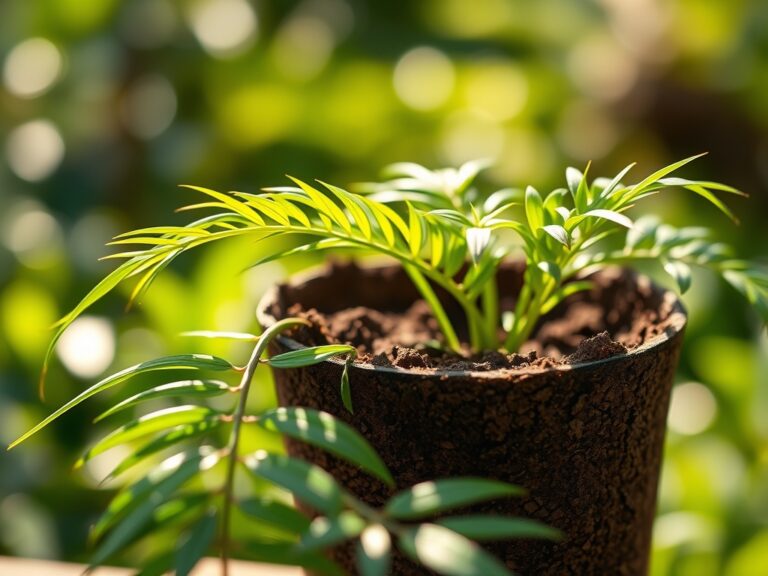
Indoor plants languish when nutrients arrive in unpredictable surges, their roots scorched by concentrated salts one week and starved the next. Using a slow-release fertilizer for indoor pots transforms this boom-and-bust cycle into a steady supply of nitrogen, phosphorus, and potassium that mirrors the gradual mineralization of organic matter in forest soils. The polymer-coated granules or compressed organic meals dissolve incrementally, feeding both plant roots and beneficial microbes over a span of three to nine months. This method supports robust cation exchange capacity in potting media, reduces transplant shock, and eliminates the weekly ritual of diluting liquid concentrates. For specimens ranging from delicate ferns to heavy-feeding aroids, slow-release formulations prevent salt accumulation while fostering mycorrhizal colonization.
Materials
Selecting the correct formulation begins with matching NPK ratios to plant type and growth stage. A 14-14-14 synthetic osmocote-style granule delivers balanced nutrition for general foliage plants like pothos and philodendrons, releasing through temperature-dependent coating degradation. For acid-loving species such as gardenias (pH 5.0-6.0), apply a 10-5-8 formula enriched with sulfur and iron chelates. Cacti and succulents thrive with a 2-7-7 low-nitrogen blend that discourages etiolation while promoting root development.
Organic options include 4-4-4 feather meal and bone meal blends, which require microbial activity to convert into plant-available forms. These work best in living substrates amended with composted bark and vermicompost. Crushed rock phosphate (0-3-0) pairs with alfalfa meal (3-1-2) to create a custom mix for blooming tropicals. Incorporate 1 tablespoon per gallon of potting mix for slow-release granules, or 2 tablespoons per gallon for organic meals. Always confirm the substrate contains adequate organic matter—at least 15 percent by volume—to support the microbial community that activates organic fertilizers.
Timing
Indoor environments eliminate frost-date concerns, but seasonal light variation still governs fertilization windows. Apply slow-release products in early March as day length exceeds 12 hours and auxin distribution accelerates stem elongation. For tropical species maintained under grow lights with 14-hour photoperiods, fertilize every six months: once in March and again in September.
Cold-tolerant houseplants entering winter dormancy (citrus, bay laurel, olive) require reduced feeding. Topdress these with a half-strength application in October to sustain basal metabolism without forcing new growth. Monitor substrate temperature; polymer coatings release faster above 70°F, potentially exhausting a six-month product in four months near heat vents. In hardiness zone equivalent terms, treat heated indoor spaces as zone 9-10 environments where growth continues year-round.
Phases
Sowing and Early Root Development

Mix slow-release granules into seed-starting media at half the recommended rate (0.5 tablespoons per gallon) to avoid overwhelming delicate radicles. The initial nutrient pulse should remain below 200 ppm nitrogen. Germinating seeds rely on endosperm reserves for the first true leaves; premature fertilization diverts energy from root establishment to shoot production.
Pro-Tip: Dust seeds with mycorrhizal inoculant containing Glomus intraradices before sowing. The fungal hyphae extend effective root surface area by 10 to 100 times, improving phosphorus uptake from slow-release sources.
Transplanting to Permanent Containers
Incorporate full-strength slow-release fertilizer into the lower two-thirds of the new container, leaving the top third unamended. This encourages roots to grow downward in search of nutrients rather than circling near the surface. For a six-inch pot, use 1.5 tablespoons of 14-14-14 granules blended with peat-based mix. Water transplants with 0.5 cups per four-inch pot diameter to activate the coating without leaching nutrients through drainage holes.
Pro-Tip: Prune circling roots at a 45-degree angle using sanitized shears. Angled cuts expose more cambium for adventitious root formation and reduce the risk of girdling as the plant matures.
Establishing Mature Growth
After 90 days, slow-release granules have depleted approximately one-third of their nutrient load. Scratch the substrate surface lightly with a fork and topdress with an additional tablespoon per gallon of media. This staggered application maintains consistent nitrogen availability during peak vegetative growth. Monitor leaf color; pale new growth indicates premature nutrient exhaustion, while dark green brittle leaves signal excess nitrogen.
Pro-Tip: Incorporate biochar at 5 percent by volume during establishment. Its porous structure retains released nutrients, reducing leaching losses and extending effective fertilizer longevity by 20 to 40 percent.
Troubleshooting
Symptom: Marginal leaf burn with brown crispy edges
Solution: Salt accumulation from overlapping fertilizer applications. Leach pots with three times their volume of distilled water, allowing full drainage. Resume slow-release feeding at 75 percent of the previous rate.
Symptom: Chlorotic leaves with green veins (interveinal chlorosis)
Solution: Iron or manganese deficiency in high-pH substrates. The slow-release product lacks micronutrients, or alkaline water has raised pH above 7.0. Drench with chelated iron (Fe-EDTA) at 1 teaspoon per gallon. Amend substrate with sulfur to lower pH to 6.0-6.5.
Symptom: Algae or fungus gnats colonizing substrate surface
Solution: Excess moisture combined with nutrient-rich top layer. Allow the top inch to dry between waterings. Cover slow-release granules with a half-inch layer of coarse sand or fine gravel to block light and create a dry zone that deters gnat larvae.
Symptom: Stunted growth despite visible fertilizer granules
Solution: Low substrate temperature inhibiting coating dissolution. Move containers away from cold window sills or concrete floors. Maintain root-zone temperatures between 65°F and 75°F. Alternatively, the potting mix lacks organic matter needed for microbial activation of organic slow-release meals.
Symptom: White crystalline crust on pot rim or substrate
Solution: Evaporative salt deposits. Wipe pot rims with vinegar solution (1 part vinegar to 3 parts water). Increase humidity to 50 percent or water early in the day to minimize evaporation.
Maintenance
Apply 1 inch of water when the top 1 inch of substrate feels dry to the touch. For a six-inch pot, this equals approximately 1.5 cups every 7 to 10 days under typical indoor conditions of 65-75°F and 40 percent humidity. Deep watering encourages roots to follow the nutrient gradient downward.
Prune spent blooms and yellowing leaves within 24 hours of appearance to redirect resources toward new growth. Rotate containers 90 degrees weekly to ensure even light exposure and symmetrical auxin distribution.
Re-pot every 18 to 24 months, or when roots emerge from drainage holes. Refresh slow-release granules with each re-potting cycle. Scrape away the top 0.5 inches of substrate annually in permanently potted specimens (large palms, fiddle-leaf figs) and replace it with fresh mix amended with slow-release fertilizer.
Test substrate pH every six months using a slurry method: blend equal parts potting mix and distilled water, let settle for 30 minutes, and measure with a digital meter. Adjust pH with dolomitic lime (raises pH) or sulfur (lowers pH) as needed.
FAQ
How long does slow-release fertilizer remain active?
Three-month formulations suit fast-growing tropicals like monstera, while nine-month products match the needs of slow-growing succulents. Actual longevity depends on substrate temperature and moisture; warm, consistently moist conditions accelerate release.
Can I combine slow-release granules with liquid fertilizer?
Yes, but reduce liquid feeding frequency by 50 percent to avoid excess nitrogen. Use liquid formulations at quarter-strength for micronutrient supplementation (iron, manganese, zinc) not provided by standard slow-release products.
What happens if I apply too much slow-release fertilizer?
Salt burn manifests as brown leaf tips and edges within two weeks. Remove visible granules from the substrate surface, leach thoroughly, and re-pot in fresh media if damage is severe.
Do organic slow-release fertilizers work in sterile potting mix?
Performance suffers without microbial activity. Inoculate sterile media with 10 percent aged compost or a commercial bacterial blend containing Bacillus subtilis and Pseudomonas fluorescens to activate nutrient release.
Should I fertilize newly purchased plants immediately?
Wait 30 days. Commercial growers pre-charge substrate with slow-release products. Adding more risks nutrient toxicity and root burn during the acclimation period.