8 Aeration Tips: Using a Garden Fork for Vegetable Soil
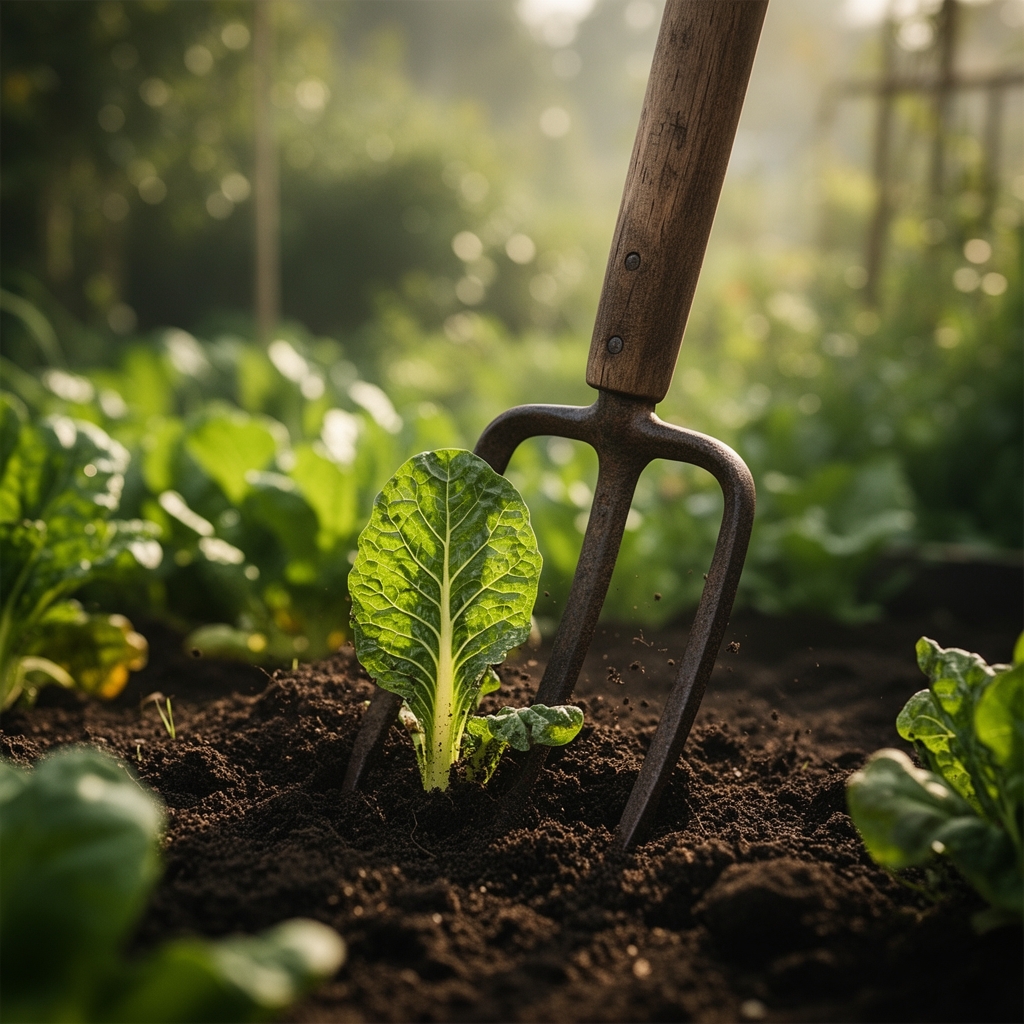
The weight of compacted soil beneath your boots tells you everything. A garden fork sinks through aerated loam with a muted crunch, but dead, airless clay resists every thrust. Using a garden fork for vegetable soil turning restores the pore space roots demand, the oxygen channels where microbial activity thrives, and the structure that separates a marginal harvest from abundance. This tool does not churn topsoil into paste the way a rototiller does. Instead, tines fracture compaction layers while preserving the fungal networks that transport phosphorus and trace minerals.
Materials
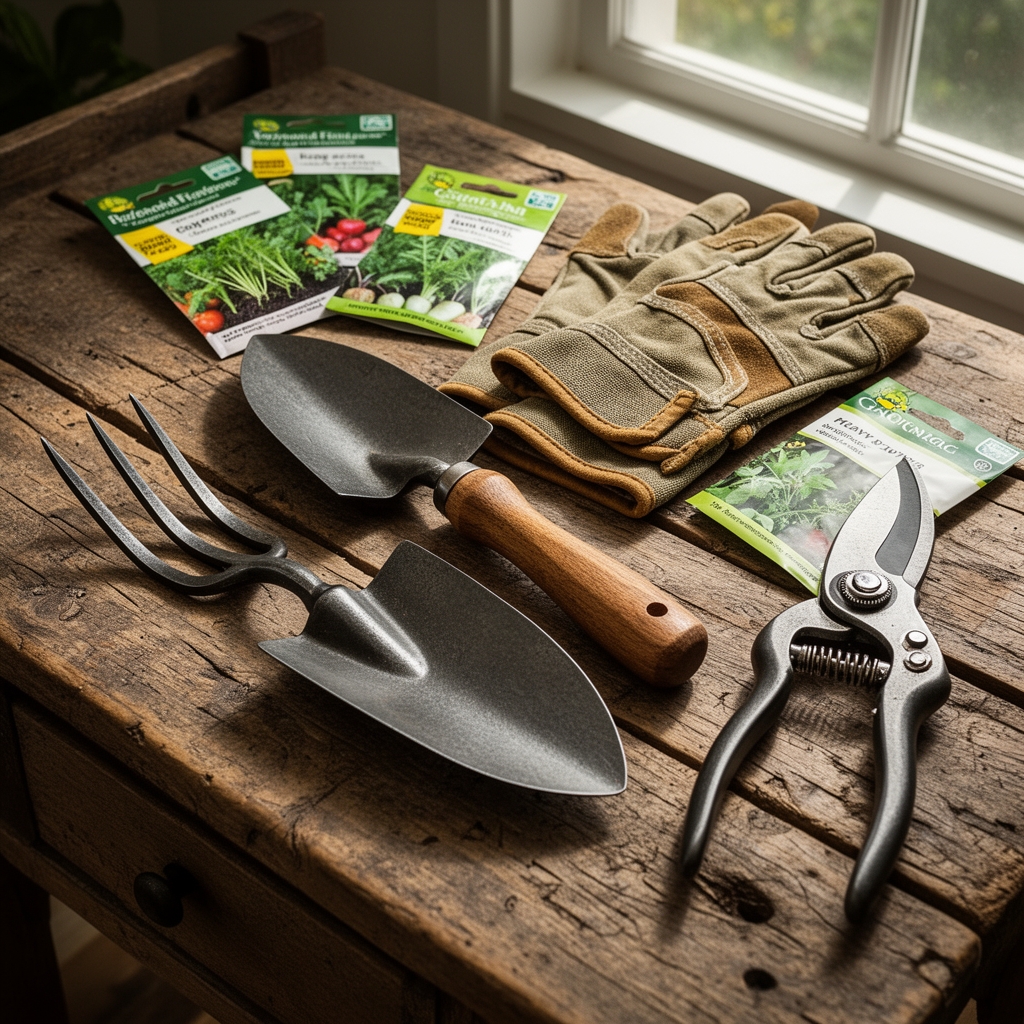
Select a four-tine or five-tine English digging fork with a shaft length matching your torso height. Hardened steel resists bending under load. Before aeration, broadcast compost at 1 cubic yard per 500 square feet. Choose amendments calibrated to soil test results. For acidic soils below pH 6.0, apply dolomitic lime at 50 pounds per 1,000 square feet to raise cation exchange capacity. For neutral to alkaline soils, incorporate sulfur at 5 pounds per 1,000 square feet to lower pH gradually. Mix in a balanced organic fertilizer rated 4-4-4 or 5-5-5 at 20 pounds per 1,000 square feet to supply nitrogen, phosphorus, and potassium in slow-release form. Blood meal (12-0-0) accelerates green growth. Bone meal (3-15-0) supports root establishment. Kelp meal (1-0.5-2.5) delivers micronutrients and cytokinins that regulate cell division. Humic acid at 2 pounds per 1,000 square feet chelates iron and manganese, preventing interveinal chlorosis. Mycorrhizal inoculant applied at 1 teaspoon per transplant colonizes root hairs and extends phosphorus uptake by 700 percent.
Timing
Using a garden fork for vegetable soil turning aligns with dormant seasons and shoulder months. In Hardiness Zones 3 through 5, aerate between late August and mid-October after summer crops finish. In Zones 6 through 7, work from September through November or late February through March. In Zones 8 through 10, turn soil from November through January when cool-season crops establish. Avoid aeration when soil moisture exceeds field capacity. Squeeze a handful. If water drips, wait. If the ball crumbles with light pressure, proceed. Frost-date windows dictate timing for spring preparation. Aerate four to six weeks before the last expected frost to allow microbes to metabolize amendments and stabilize soil aggregates.
Phases
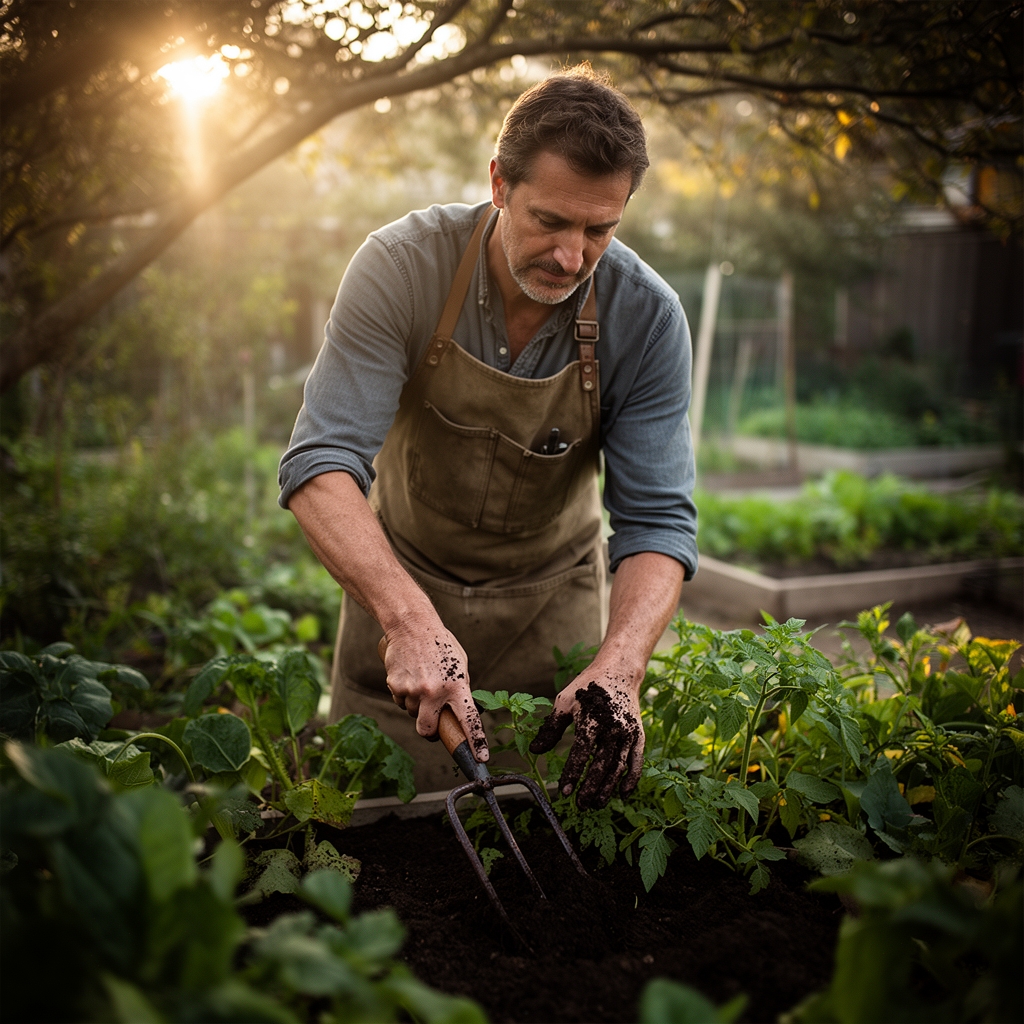
Sowing: Drive the fork vertically into the bed at 6-inch intervals. Rock the handle backward to lift and fracture clods without inverting horizons. Buried organic matter decomposes faster when microbial populations access oxygen. This phase loosens the top 8 to 10 inches where feeder roots concentrate. Pass over each section twice in perpendicular directions to eliminate compaction stripes.
Pro-Tip: Insert the fork at a 15-degree angle along bed edges to undercut perennial weed rhizomes. Leverage lifts entire root systems without shearing.
Transplanting: After initial aeration, rake the surface level and create planting pockets. Drive the fork 4 inches from each transplant site, then pull back gently to create a cone of loose soil. This micro-aeration eliminates hardpan directly below root balls, where auxin distribution peaks during establishment. Water penetrates fractured soil 40 percent faster than undisturbed zones.
Pro-Tip: Dust transplant holes with endo-mycorrhizal spores before placing seedlings. Direct contact initiates hyphal growth within 72 hours.
Establishing: Three weeks post-transplant, repeat shallow forking between rows. Insert tines only 4 inches deep to avoid severing lateral roots. This secondary aeration interrupts crusting caused by irrigation and opens pathways for gaseous exchange. Compacted surface layers restrict carbon dioxide release and oxygen infiltration, slowing respiration and nutrient uptake.
Pro-Tip: Aerate immediately before side-dressing with compost tea or liquid fish emulsion (5-1-1). Pore space allows soluble nutrients to reach root zones within hours instead of days.
Troubleshooting
Symptom: Tines penetrate only 3 inches before hitting resistance.
Solution: Soak the area with 2 inches of water 24 hours before aeration. Hydrated clay particles separate more readily. If hardpan persists below 8 inches, use a broadfork with 12-inch tines to fracture deeper strata.
Symptom: Clods remain large and unbroken after forking.
Solution: Soil moisture is either too high or too low. Test again. Allow clay soils to reach 50 percent moisture content. Sandy soils tolerate drier conditions but require more aggressive rocking motions.
Symptom: Root growth halts 6 inches below the surface.
Solution: Subsurface compaction from previous tillage or foot traffic blocks penetration. Aerate to 12 inches using a spading fork, then incorporate gypsum (calcium sulfate) at 40 pounds per 1,000 square feet to flocculate clay and restore structure.
Symptom: Yellowing leaves and stunted growth persist despite fertilization.
Solution: Poor aeration suffocates root respiration. Oxygen-starved roots cannot absorb nitrogen or synthesize chlorophyll. Fork the area immediately, then mulch with 2 inches of aged bark to prevent re-compaction.
Maintenance
Aerate vegetable beds twice annually. Spring aeration occurs four weeks before first planting. Fall aeration happens after final harvest. Apply 0.5 inches of compost as mulch every eight weeks during the growing season. Water to a depth of 6 inches per application, delivering 1 inch measured in rain gauges. Deep watering encourages vertical root growth into aerated zones. Avoid walking on beds. Install 12-inch-wide wooden planks as permanent pathways to distribute weight and prevent new compaction. Test soil pH every 24 months. Monitor cation exchange capacity annually if incorporating heavy amendments. Re-apply mycorrhizal inoculant every three years or after soil disturbances that sever fungal networks.
FAQ
How often should I aerate vegetable soil with a garden fork?
Twice per year in spring and fall. Clay soils benefit from additional mid-season aeration if crusting occurs.
Can I aerate wet soil?
No. Wet soil smears and compacts further. Wait until a squeezed handful crumbles but does not drip.
Does forking harm earthworms?
Minimal. Earthworms retreat below the disturbance zone. Forking at 8 inches rarely penetrates their deeper burrows.
What is the difference between a garden fork and a broadfork?
A garden fork has four to five tines and turns soil. A broadfork has longer tines spaced wider and only lifts without inversion.
Should I add sand to clay soil before aerating?
No. Sand and clay create concrete-like aggregates. Use compost and gypsum to improve structure through flocculation instead.