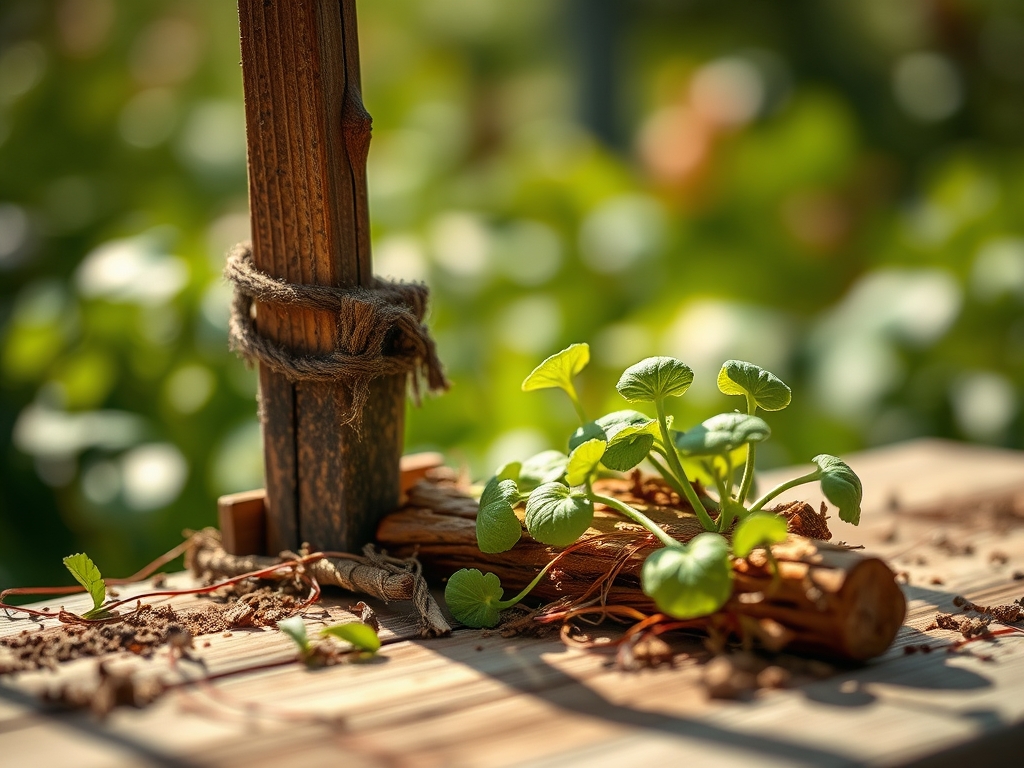
8 Steps to Prepare Your Yard for a Vertical Trellis System
Crushed limestone and the sharp scent of damp humus signal the start of a productive season. High turgor pressure in a seedling is the primary indicator of cellular health; it provides the structural rigidity required for a plant to eventually climb. Learning how to prepare a garden for a trellis requires a technical understanding of load bearing and root zone optimization. You are not merely placing a stake in the dirt. You are engineering a vertical support system that must withstand wind shear and the heavy biomass of mature fruiting vines. Success depends on the intersection of soil physics and structural integrity.
Materials:
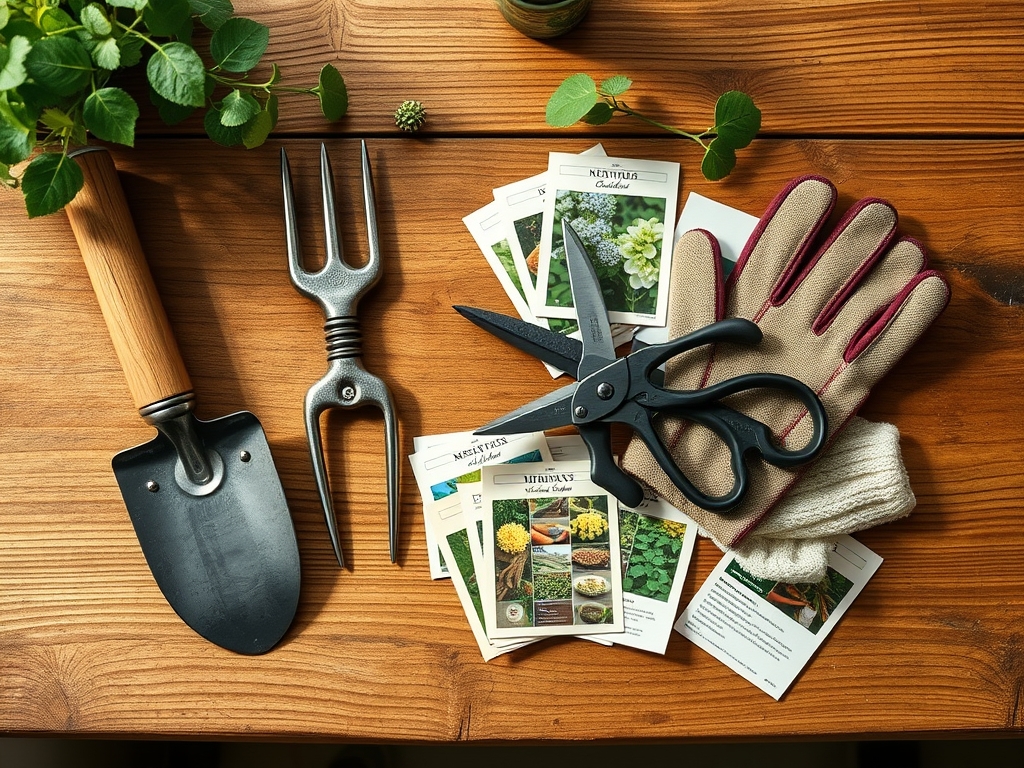
The foundation of a vertical system is the substrate. You require a **friable loam** with a high Cation Exchange Capacity (CEC). This ensures the soil can hold and release essential positively charged ions like Calcium and Magnesium. Target a **pH range of 6.2 to 6.8** to maximize nutrient availability.
For the initial soil amendment, utilize a balanced NPK ratio of 10-10-10 for general establishment. If you are growing heavy feeders like indeterminate tomatoes or pole beans, transition to a 5-10-15 ratio during the reproductive phase to prioritize fruit and flower development over excessive foliage. Ensure you have 14-gauge galvanized wire or rot-resistant cedar for the trellis frame. Avoid pressure-treated lumber that may leach copper or arsenic into the rhizosphere.
Timing:
The biological clock of your garden is dictated by the photoperiod and soil temperature. In Hardiness Zones 5 through 7, trellis preparation must begin four weeks before the last predicted frost. Soil temperatures must reach a consistent 60 degrees Fahrenheit (15.5 Celsius) at a depth of four inches before transplanting heat-loving climbers.
Understanding the transition from the vegetative stage to the reproductive stage is critical. Early installation of the trellis prevents root disturbance that occurs if you drive supports into the ground after the plant has established its lateral root system. Aim for the "Goldilocks window" where the soil is workable but not saturated; compressing wet soil destroys the macropores necessary for oxygen exchange.
Phases:
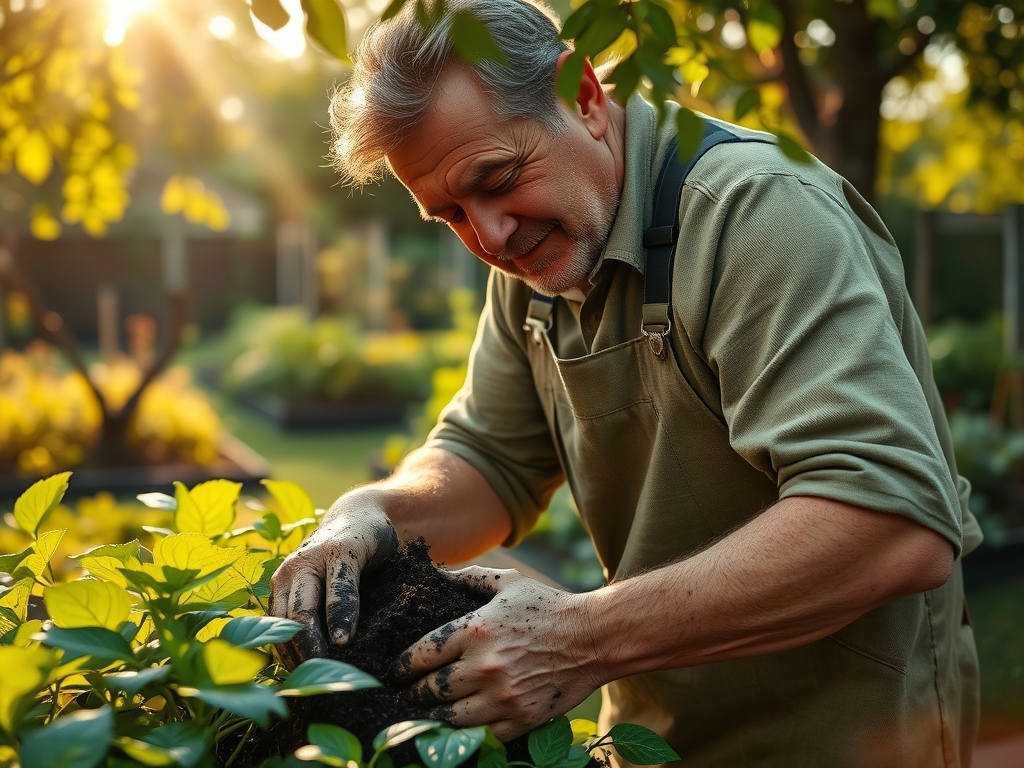
Sowing and Site Preparation
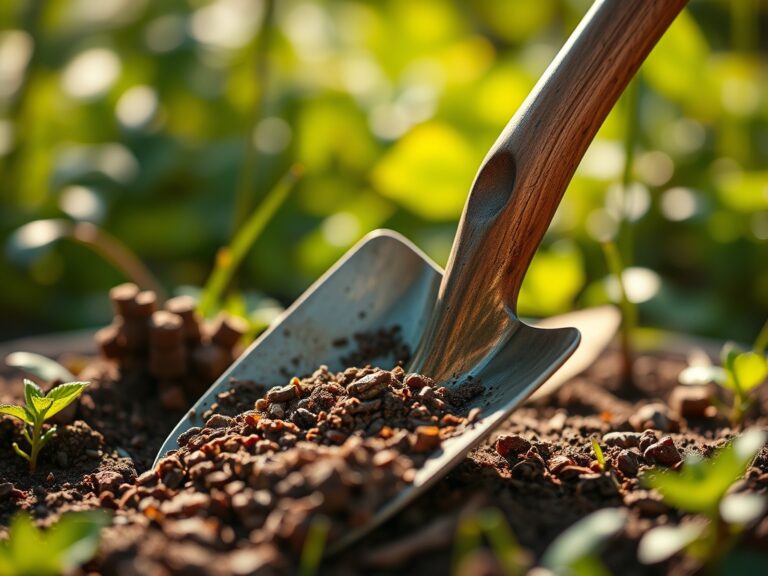
Clear all debris and competing vegetation within a 24-inch radius of the trellis base. Excavate the soil to a depth of 12 inches. Incorporate organic matter to improve the soil structure. If direct-sowing seeds, plant them at a depth exactly three times their diameter.
Pro-Tip: Maintain consistent moisture to facilitate mycorrhizal symbiosis. These beneficial fungi extend the reach of the root system, increasing the surface area for phosphorus absorption by up to ten times.
Transplanting
When moving seedlings from flats to the trellis base, minimize root exposure to light and air. Dig a hole twice the width of the root ball. Set the plant so the crown is level with the soil surface. Firm the soil gently to remove air pockets without causing compaction.
Pro-Tip: Apply a kelp-based liquid fertilizer immediately after transplanting. This reduces transplant shock by providing cytokinins, which are plant hormones that promote cell division and root initiation.
Establishing and Training
As the primary lead grows, use soft garden twine to secure the stem to the trellis. Do not tie the twine tightly; leave a one-inch loop to allow for secondary thickening of the stem (cambium growth).
Pro-Tip: Utilize auxin suppression by pinching off the terminal bud if you require more lateral branching. Removing the apical meristem redirects growth hormones to the axillary buds, creating a bushier, more productive plant.
The Clinic:
Physiological disorders often mimic infectious diseases. Accurate diagnosis is essential for corrective action.
- Symptom: Interveinal chlorosis (yellowing between green veins) on older leaves.
- Diagnosis: Magnesium deficiency.
- Fix-It: Apply Epsom salts (Magnesium Sulfate) at a rate of 1 tablespoon per gallon of water.
- Symptom: Blossom end rot (dark, leathery spots on the bottom of fruit).
- Diagnosis: Calcium transport failure, often caused by inconsistent irrigation.
- Fix-It: Stabilize moisture levels and maintain a pH above 6.0 to ensure calcium solubility.
- Symptom: Spindly, elongated stems with pale color.
- Diagnosis: Etiolation due to insufficient light or excess Nitrogen.
- Fix-It: Increase solar exposure to at least 8 hours of direct sun and reduce N-heavy fertilizers.
Maintenance:
Precision irrigation is the hallmark of a professional garden. Provide 1.5 inches of water per week delivered directly at the drip line. Use a soil moisture meter to verify that the root zone is hydrated to a depth of 8 inches. Overhead watering should be avoided to prevent the spread of fungal spores.
Keep a hori-hori knife sharpened for weeding and a pair of bypass pruners sterilized with 70 percent isopropyl alcohol. Pruning is not aesthetic; it is functional. Remove any foliage that touches the ground to prevent soil-borne pathogens from migrating up the plant. Ensure air circulation remains high within the trellis canopy to prevent powdery mildew.
The Yield:
Harvesting at peak physiological maturity ensures the highest nutrient density and flavor profile. For legumes, harvest when the pods are firm but before the seeds bulge significantly. For vining fruits, look for the "slip" stage or a specific color change at the stem attachment.
Use your bypass pruners to cut the fruit from the vine; never pull, as this can damage the vascular tissue of the main plant. To maintain "day-one" freshness, immediately move the harvest to a cool, shaded environment to reduce the rate of senescence. Removing field heat quickly slows the metabolic breakdown of sugars and vitamins.
FAQ:
What is the best soil for a trellis system?
A well-draining friable loam with a pH of 6.2 to 6.8 is ideal. It should have a high organic matter content to support a robust rhizosphere and provide a stable Cation Exchange Capacity for nutrient uptake.
How deep should trellis posts be buried?
For a standard six-foot trellis, bury posts at least 24 inches deep. In high-wind areas or loose sandy soil, use concrete footings or increase the depth to one-third of the total post height for structural stability.
Can I reuse a trellis every year?
Yes, provided you sanitize the structure. Scrub the trellis with a 10 percent bleach solution or vinegar to kill overwintering fungal spores and pathogens. Inspect for structural integrity and replace any rotted wood or rusted wire.
How do I stop my plants from outgrowing the trellis?
Practice apical pruning to manage height. Once the plant reaches the top of the support, pinch off the leading tip. This halts vertical extension and forces the plant to invest energy into lateral fruit production and flower development.