9 Best Durable Stones for Creative Yard Design
The scent of damp, disturbed earth signals the start of a structural landscape overhaul. When you press a finger against a leaf, the turgor pressure should feel firm; a sign of a plant hydrated enough to withstand the dust and vibration of heavy masonry. Selecting the best stones for yard design requires more than an aesthetic eye; it demands an understanding of mineral leaching and thermal mass. Stones are not inert objects in a garden. They are heat sinks that alter the microclimate of the rhizosphere and chemical agents that can shift soil pH over time.
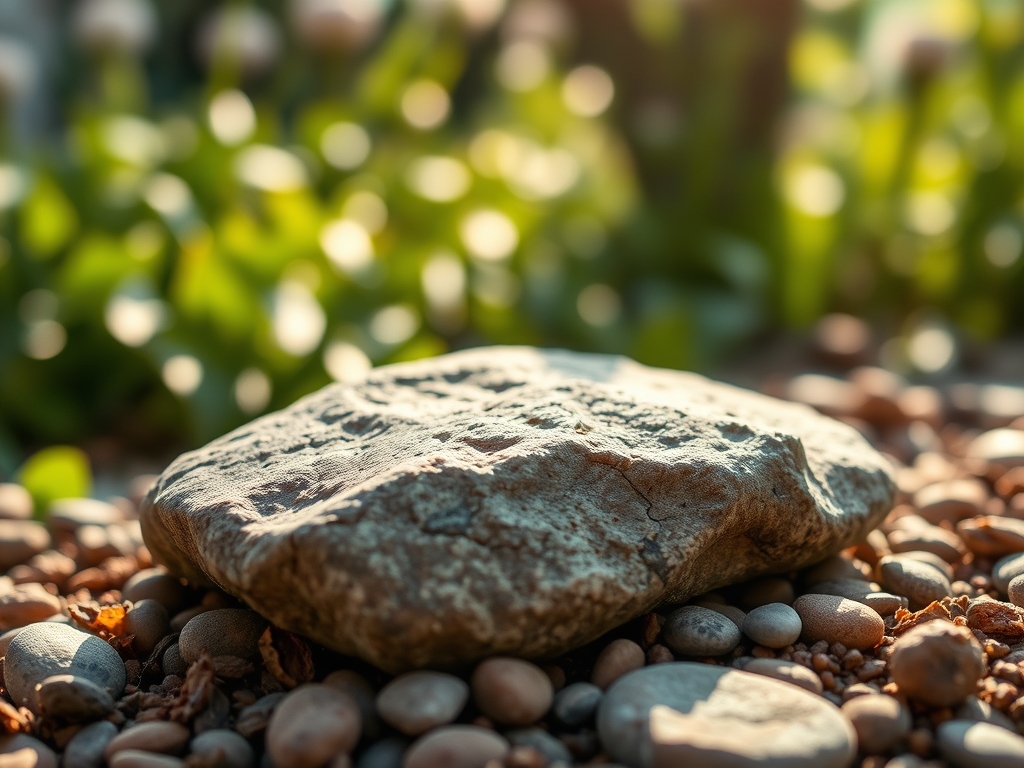
A successful installation balances the geological hardness of the stone with the biological needs of the surrounding flora. Granite, for instance, offers a high density of 2.6 to 2.7 grams per cubic centimeter, ensuring it will not crumble under freeze-thaw cycles. Conversely, limestone can slowly release calcium carbonate, raising the pH of the soil and potentially locking out micronutrients for acid-loving species. This guide provides the technical specifications for integrating nine durable stones into a high-functioning horticultural ecosystem.
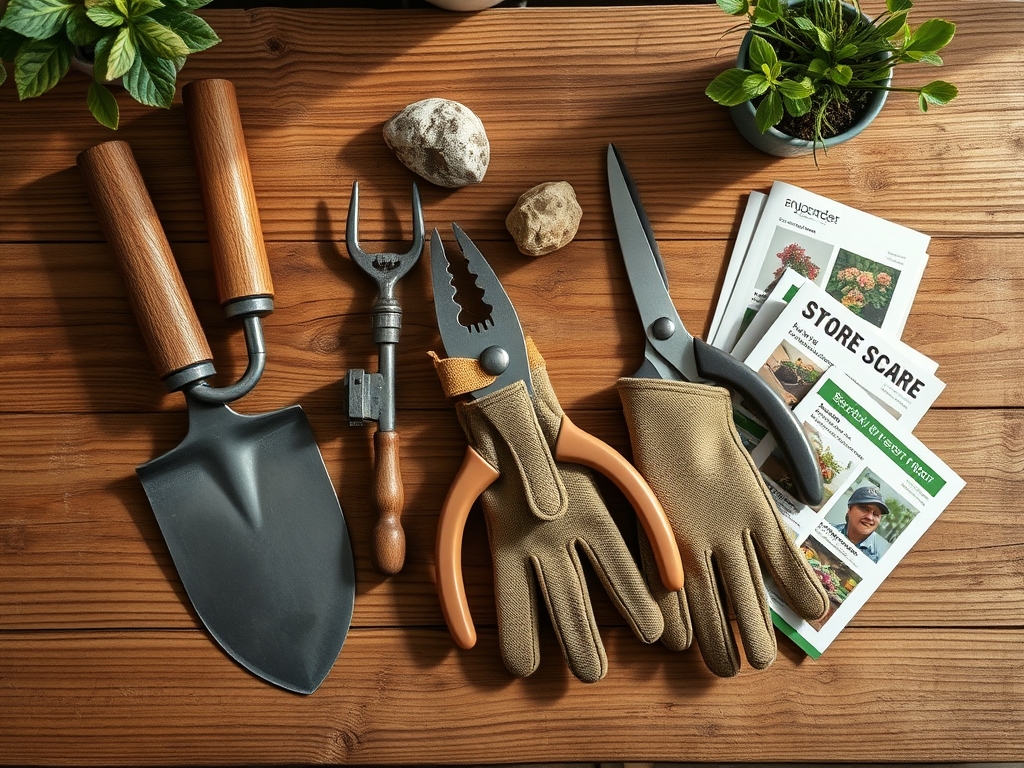
Materials:
The interaction between stone and soil begins at the substrate level. For most installations, you must maintain a friable loam with a Cation Exchange Capacity (CEC) between 15 and 25 meq/100g. This allows the soil to retain nutrients even when weighted by heavy flagstone or slate.
- Granite: Best for neutral soils (pH 6.5 to 7.0). It is chemically stable and does not alter NPK ratios.
- Limestone: High calcium content. Best paired with plants requiring a pH of 7.5 or higher. Avoid near Ericaceous plants like blueberries or azaleas.
- Sandstone: Porous texture. Enhances drainage but can lead to rapid leaching of Nitrogen (N).
- Slate: Low porosity. Excellent for water runoff control in heavy clay soils.
- Basalt: Rich in iron and magnesium. Slowly contributes to the mineral profile of the rhizosphere.
- Quartzite: Extremely hard and non-reactive. Ideal for high-traffic paths.
- River Rock: Smooth surface reduces evaporation from the soil surface.
- Flagstone: Large surface area provides significant thermal mass for Zone 5-7 gardens.
- Travertine: Highly reflective; keeps soil temperatures lower in intense sun.
Maintain a baseline NPK ratio of 10-10-10 during the initial stone setting to offset the stress of soil compaction.
Timing:
Hardscape installation must be synchronized with the biological clock of your vegetation. The ideal window for heavy stone placement is during the dormant season or early spring, specifically 4 to 6 weeks before the last predicted frost. This timing prevents the crushing of active feeder roots during the peak vegetative stage.
In Hardiness Zones 4 through 8, stone work should be completed before the soil temperature reaches a consistent 55 degrees Fahrenheit. Once the soil warms, plants transition from dormancy to active root elongation. If you install stones during the reproductive stage (flowering), you risk inducing senescence due to root zone disturbance. Monitor the photoperiod; as days lengthen, the plant's metabolic rate increases, making it less resilient to the soil compaction that occurs during stone delivery and placement.
Phases:
Sowing and Site Prep
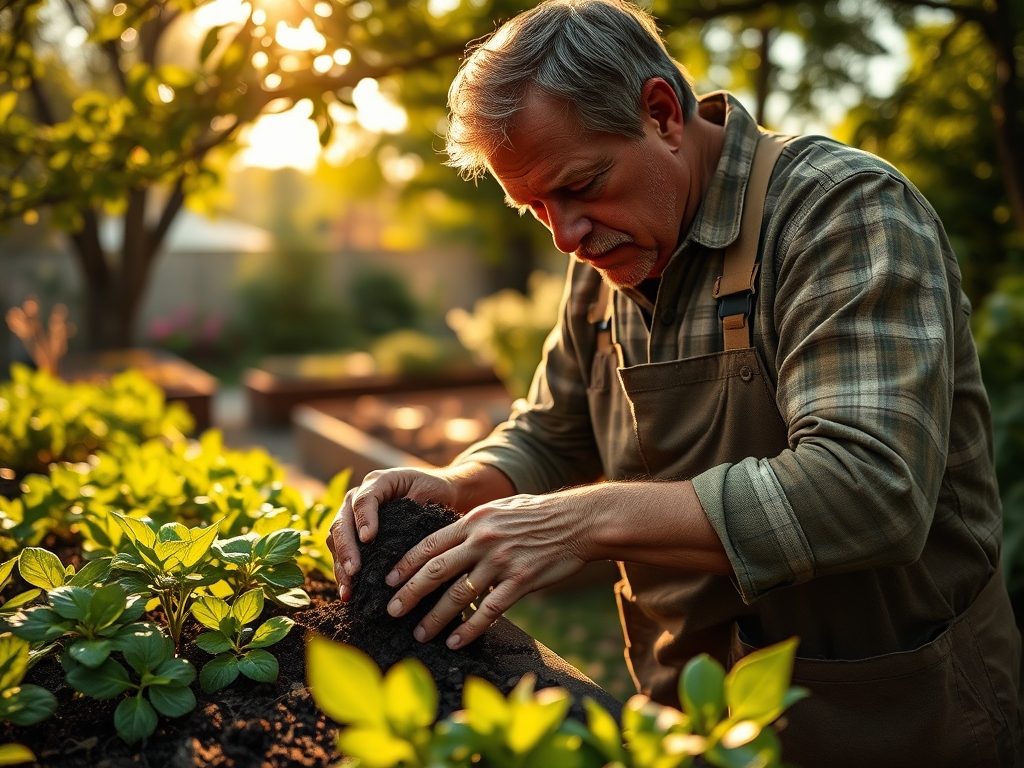
Before placing the best stones for yard design, excavate to a depth of 8 inches. Replace the base with 4 inches of compacted crushed gravel to ensure drainage.
Pro-Tip: Proper drainage prevents "wet feet" and root rot. By maintaining aerobic conditions in the soil, you support mycorrhizal symbiosis, where beneficial fungi extend the root system's reach for phosphorus uptake.
Transplanting Around Masonry
When planting near large stones, leave a 6-inch buffer zone between the stone edge and the plant crown. This prevents the stone from acting as a mechanical barrier to lateral root expansion.
Pro-Tip: Stones act as heat sinks. In cooler climates, placing a stone on the north side of a plant can radiate heat at night, preventing frost damage. This utilizes the stone's thermal mass to manipulate the local microclimate.
Establishing the Landscape
Once stones are set, mulch the gaps with organic matter or fine gravel. Use a soil moisture meter to ensure the area under the stones is not becoming a localized drought zone or a pocket of anaerobic saturation.
Pro-Tip: Watch for phototropism. Plants may lean away from highly reflective stones like white quartzite. This is caused by an accumulation of auxins on the shaded side of the stem, forcing the plant to grow toward the primary light source.
The Clinic:
Physiological disorders often arise when stones interfere with soil chemistry or hydrology.
- Symptom: Interveinal Chlorosis. (Yellow leaves with green veins).
- Solution: This is often iron deficiency caused by high pH leaching from limestone. Apply chelated iron and sulfur to lower the pH to 6.0.
- Symptom: Leaf Scorch. (Brown, crispy edges on leaves near stones).
- Solution: Thermal radiation from dark stones like basalt is overheating the foliage. Increase irrigation or provide afternoon shade.
- Symptom: Stunted Growth. (Short internodes and small leaves).
- Solution: Soil compaction from stone placement has reduced oxygen in the rhizosphere. Use a garden fork to aerate the soil 12 inches deep around the stone perimeter.
- Fix-It for Nitrogen Deficiency: If plants near sandstone appear pale green, the porous stone may be accelerating Nitrogen leaching. Apply a slow-release 20-10-10 fertilizer to restore leaf color and vigor.
Maintenance:
Precision is the hallmark of a professional landscape. Plants adjacent to stone paths require 1.5 inches of water per week, delivered directly at the drip line. Use a hori-hori knife to extract deep-rooted weeds that emerge between stone joints; this tool allows for precise extraction without disturbing the leveled stone base.
Prune any overhanging branches with bypass pruners to maintain a 2-inch clearance from the stone surface. This prevents the buildup of organic debris which can lead to fungal pathogens or staining of the stone. Every three years, check the level of your stones. Soil settling can cause stones to tilt, redirecting water runoff toward plant crowns and causing crown rot.
The Yield:
If your yard design includes edible herbs like creeping thyme between stones, harvest when the essential oil concentration is highest. This occurs just before flowering, typically in the early morning after the dew has evaporated but before the sun reaches its zenith. Use sharp shears to take the top one-third of the plant. To maintain "day-one" freshness, place the stems immediately into a chilled environment at 40 degrees Fahrenheit. This slows the respiration rate and preserves the turgor of the cell walls.
FAQ:
Which stone is best for acidic soil?
Granite and slate are ideal. They are chemically inert and do not release carbonates that would raise the soil pH. This preserves the availability of micronutrients like iron and manganese for acid-loving plants.
How do stones affect soil temperature?
Stones provide thermal mass. They absorb solar radiation during the day and release it slowly at night. This can extend the growing season by keeping the rhizosphere several degrees warmer than the ambient air temperature.
Can I put stones directly on top of soil?
No. Direct placement causes soil compaction and prevents gas exchange. Always use a base of 4 inches of crushed gravel to maintain drainage and allow the soil biology to breathe.
How do I stop weeds between stones without chemicals?
Maintain a tight joint with polymeric sand or plant high-density groundcovers. This creates "biological competition," where the desired plants outcompete weeds for light, space, and nutrients within the narrow gaps.