9 Best Decorative Mulch for Finishing Yard Design
The scent of damp, anaerobic decomposition signals a failure in soil management, whereas the clean, earthy aroma of geosmin indicates a thriving microbial community. A healthy plant maintains high turgor pressure; its cell walls are rigid and its leaves are turgid. Achieving this physiological state requires more than just water and light. It requires a sophisticated thermal and moisture barrier. Selecting the best mulch for yard design is not merely an aesthetic choice; it is a technical intervention in the rhizosphere. By regulating soil temperature and suppressing competitive weed growth, the correct mulch stabilizes the Cation Exchange Capacity (CEC) of the soil. This prevents the rapid leaching of essential ions like potassium and magnesium during heavy precipitation. A professional landscape requires a substrate that facilitates gas exchange while preventing the compaction of friable loam. Without this protective layer, the soil surface crusts, leading to increased runoff and decreased oxygen availability for root respiration. The following data-driven guide examines the physical and chemical properties of the most effective decorative mulches available for modern horticultural applications.
Materials:
The ideal substrate for a high-performance yard is a friable loam with a soil pH ranging from 6.0 to 7.0. This range ensures maximum bioavailability of macronutrients. When selecting the best mulch for yard design, you must account for the carbon-to-nitrogen (C:N) ratio of the material. High-carbon materials like wood chips can cause temporary nitrogen immobilization as microbes consume available nitrogen to break down the wood.
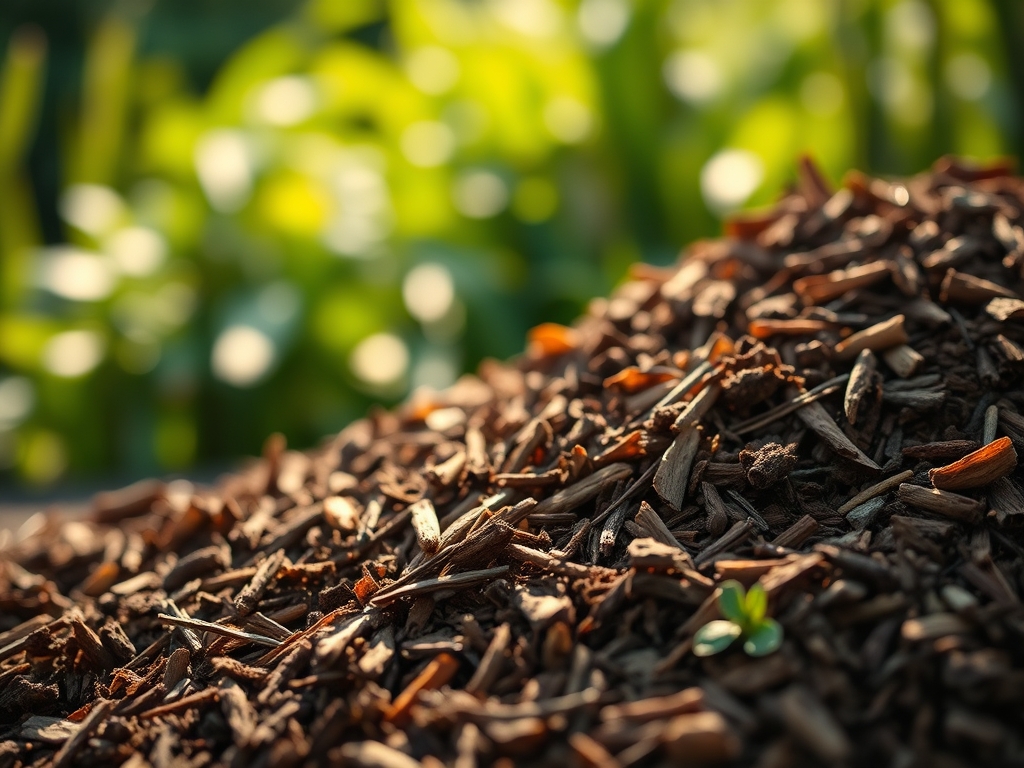
- Triple-Shredded Hardwood Bark: This material has a neutral pH and high lignin content. It provides excellent moisture retention and knits together to prevent erosion on slopes.
- Pine Bark Nuggets: These possess an acidic pH (approx. 4.5 to 5.0) and are ideal for acid-loving taxa like Rhododendron or Vaccinium.
- Cedar Mulch: Contains natural thujone oils that resist rapid fungal decay.
- Hemlock Mulch: Known for its deep burgundy hue and high tannin content.
- Pine Straw: High acidity and excellent for large-scale coverage in Hardiness Zones 7 through 9.
- Black Dyed Mulch: Carbon-based dyes are used to darken the material; ensure it is certified by the Mulch and Soil Council to avoid heavy metal contamination.
- Red Dyed Mulch: Often used for high-contrast designs; it maintains its color for up to 12 months.
- River Rock: A permanent, non-organic option that does not affect soil NPK but can increase soil temperature via thermal mass.
- Pea Gravel: Ideal for xeriscaping; it provides a 0-0-0 NPK profile and superior drainage for succulents.
Timing:
Successful mulch application depends on the "Biological Clock" of the plant, specifically the transition from vegetative to reproductive stages. In Hardiness Zones 3 through 6, the primary application window occurs after the first hard frost has settled the ground but before the deep freeze of mid-winter. This prevents the "freeze-thaw" cycle that causes root heaving. In Hardiness Zones 7 through 10, mulching should occur in early spring before soil temperatures reach 65 degrees Fahrenheit.
Applying mulch too early in spring can insulate cold soil, delaying the awakening of soil microbes and slowing the initial vegetative growth phase. Monitor your local frost-date windows; wait until the soil has warmed sufficiently to support active root elongation. For deciduous species, the onset of senescence in autumn is the signal to replenish the organic layer to protect the root zone during dormancy.
Phases:

Sowing and Preparation
Before applying the best mulch for yard design, clear all perennial weeds and debris. Ensure the soil is moist. If the soil is dry, the mulch may act as a hydrophobic barrier, preventing initial hydration.
Pro-Tip: Maintain a 2-to-3-inch depth. Any deeper can lead to oxygen deprivation in the rhizosphere, causing root rot through anaerobic respiration.
Transplanting
When installing new specimens, pull mulch back 3 to 5 inches from the trunk or stem. This prevents "volcano mulching," which traps moisture against the bark and encourages fungal pathogens or opportunistic insect boring.
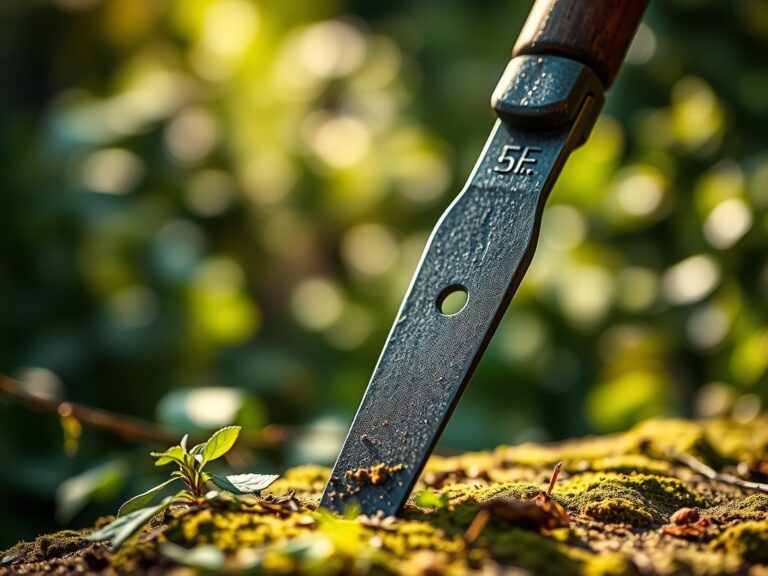
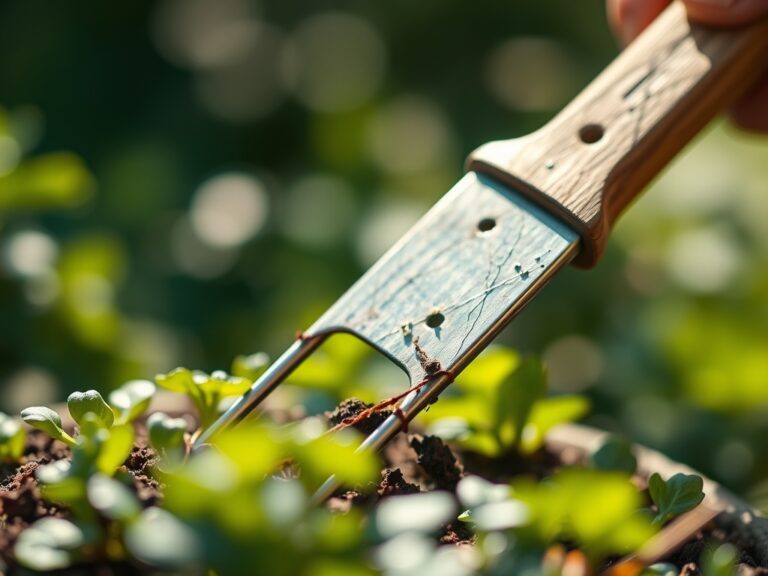
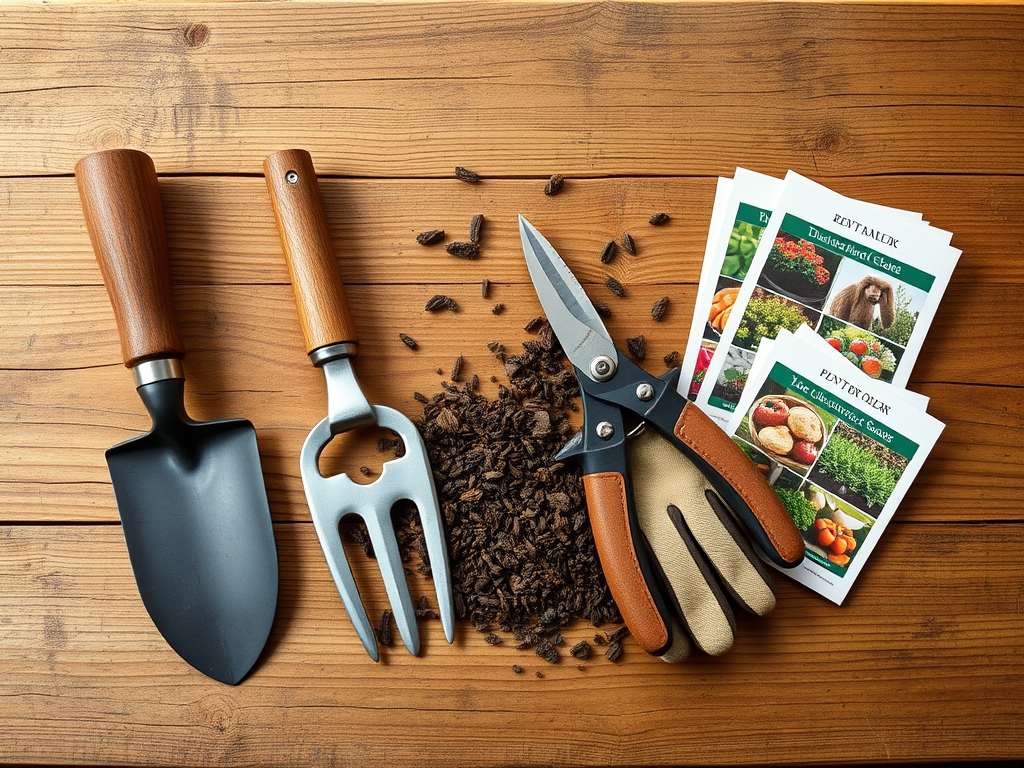
Pro-Tip: Use a hori-hori knife to check for girdling roots before backfilling. Maintaining a clear flare at the base of the plant ensures proper gas exchange and prevents the suppression of auxins, which are critical for apical dominance and structural integrity.
Establishing
During the first growing season, the mulch layer serves as the primary regulator of soil moisture. Monitor the interface between the mulch and the soil.
Pro-Tip: Mycorrhizal symbiosis is enhanced under a stable mulch layer. These beneficial fungi extend the reach of the root system, increasing the surface area for phosphorus uptake by up to 1,000 percent.
The Clinic:
Symptom: Interveinal chlorosis in new growth.
Solution: This often indicates a Nitrogen deficiency caused by nitrogen immobilization from fresh wood chips.
Fix-It: Apply a high-nitrogen fertilizer (e.g., Blood Meal or 21-0-0) to the soil surface before re-mulching to offset the microbial demand.
Symptom: "Artillery Fungus" (small black spots on siding or leaves).
Solution: This occurs in decaying hardwood mulches that stay excessively wet.
Fix-It: Stir the mulch to improve aeration or switch to a large-fragment bark nugget or stone mulch to reduce moisture retention at the surface.
Symptom: Slime mold (bright yellow or orange mass on mulch).
Solution: This is a saprophytic organism feeding on decaying organic matter.
Fix-It: It is harmless to plants. Physically remove the mass with a shovel and dispose of it if the aesthetics are undesirable.
Maintenance:
Precision is mandatory for long-term plant health. Provide 1.5 inches of water per week at the drip line during the active growing season. Use a soil moisture meter to verify that the moisture is penetrating the mulch layer and reaching the top 6 inches of the soil profile.
Use bypass pruners to remove any suckers or water sprouts that emerge from the base of the plant, as these can be stimulated by the increased moisture and nutrient availability provided by the mulch. Every 12 to 18 months, use a rake to break up the "matting" effect of decomposing mulch. This ensures that the surface remains permeable to water and oxygen. If the mulch has decomposed into a fine compost, it can be incorporated into the soil to improve the CEC before a fresh layer is applied.
The Yield:
For flowering shrubs or ornamental trees, the "yield" is measured in bloom density and duration. To maximize this, ensure the mulch does not interfere with the photoperiod requirements of the species. For harvested ornamentals, such as lavender or hydrangea, cut stems in the early morning when turgor pressure is at its peak. Use a sharp blade to ensure a clean tracheid bypass, allowing for maximum water uptake in the vase. Post-harvest, keep the specimens in a cool environment (45 to 55 degrees Fahrenheit) to slow the rate of senescence and preserve the cellular structure.
FAQ:
What is the best mulch for weed suppression?
A 3-inch layer of triple-shredded hardwood is most effective. Its interlocking fibers create a physical barrier that prevents light from reaching weed seeds, inhibiting germination while maintaining soil gas exchange.
Can mulch change my soil pH?
Yes. Pine bark and needles will gradually lower pH, making soil more acidic. Conversely, hardwood mulches tend to be neutral or slightly alkaline as they decompose. Always test soil pH annually.
How much mulch do I need?
Calculate the square footage of the bed and multiply by the desired depth in inches. Divide by 324 to determine the number of cubic yards required for a standard 3-inch application.
Is dyed mulch safe for plants?
Most modern dyes use carbon or iron-oxide bases, which are non-toxic. However, the underlying wood is often recycled pallet scrap, which may contain adhesives. Use "Certified" organic mulches for edible garden perimeters.