8 Best Hardy Plants for All-Season Outdoor Design
The scent of damp, mineral-rich earth signals a high Cation Exchange Capacity (CEC) within the soil profile. This smell originates from geosmin, a byproduct of Actinobacteria breaking down organic matter. When you press a thumb against a leaf, the resistance you feel is turgor pressure; it is the hydraulic force of water against cell walls that maintains structural integrity. Selecting the best plants for outdoor design requires understanding these physiological mechanisms to ensure year-round resilience. High-performance landscapes rely on species that maintain metabolic function during thermal extremes. Success is not found in aesthetic luck but in the precise alignment of plant biology with the local microclimate.
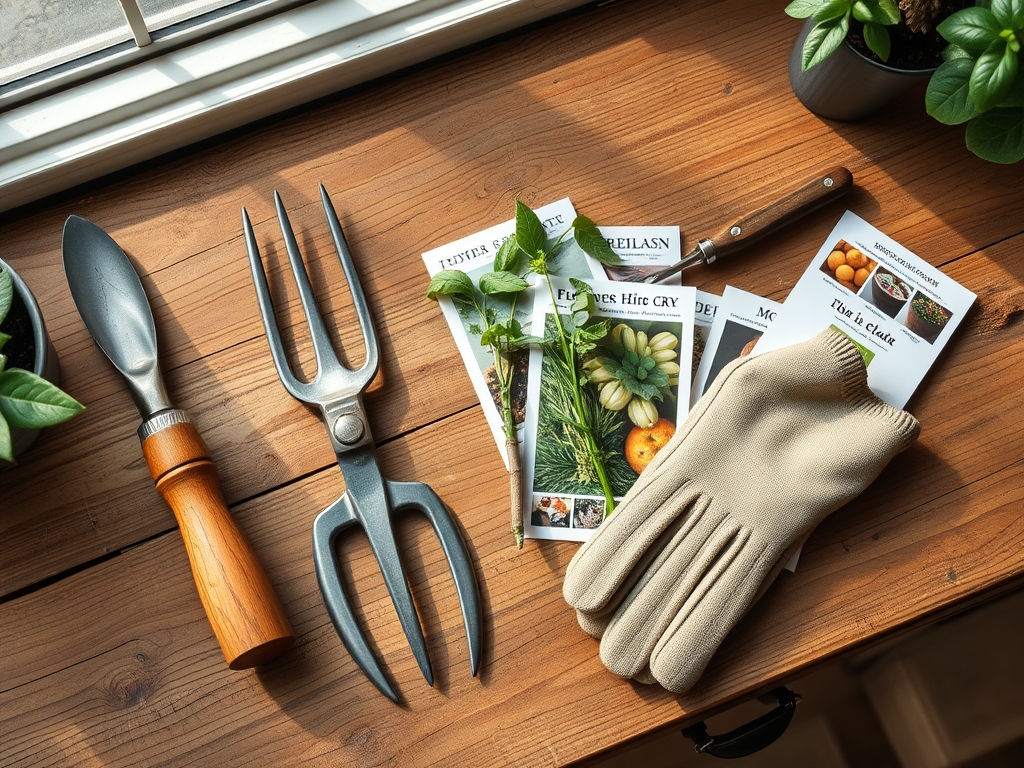
Materials:
The foundation of a hardy landscape is a friable loam with a pore space ratio of approximately 50 percent air and water. For the eight species listed below, target a soil pH between 6.0 and 7.0 to maximize nutrient availability. If the pH drops below 5.5, aluminum toxicity can inhibit root elongation.
Prepare the site with specific NPK (Nitrogen-Phosphorus-Potassium) ratios based on the plant category:
- Evergreens (Boxwood, Juniper): Use a 10-10-10 balanced ratio in early spring to support new tracheid development.
- Woody Perennials (Hydrangea, Ninebark): Apply a 5-10-10 ratio to prioritize root expansion and lignification over soft leaf growth.
- Ornamental Grasses (Panicum, Miscanthus): Utilize a 12-4-8 ratio to fuel the rapid production of cellulose and lignin in the stems.
The substrate texture should be granular. When squeezed, the soil should form a cast that crumbles under light pressure. This ensures the rhizosphere receives adequate oxygen, preventing the anaerobic conditions that lead to root senescence.
Timing:
Successful installation depends on the USDA Hardiness Zone and the specific frost-date window of your region. Most hardy species perform best when transplanted in Zones 4 through 8. The ideal window is either six weeks before the first autumn frost or four weeks after the final spring frost.
The biological clock of these plants is governed by the photoperiod. As day length decreases, deciduous species initiate abscission, where a layer of cells forms at the base of the leaf petiole to seal off the vascular system. This transition from the vegetative stage to dormancy is critical. Planting during this window allows the specimen to focus energy on subterranean root development without the metabolic demand of supporting active foliage or reproductive flowers.
Phases:

Sowing and Selection
Select nursery stock with a root-to-shoot ratio of at least 1:1. Inspect the root ball for circling roots, which indicate a pot-bound state that can lead to girdling. For ornamental grasses, ensure the crown is firm and free of necrotic tissue.
Pro-Tip: When selecting plants, look for apical dominance in the central leader. The Biological Why: Apical dominance is controlled by auxins produced in the terminal bud. These hormones suppress the growth of lateral buds, ensuring the plant allocates energy toward vertical structural height during its first year in the ground.
Transplanting
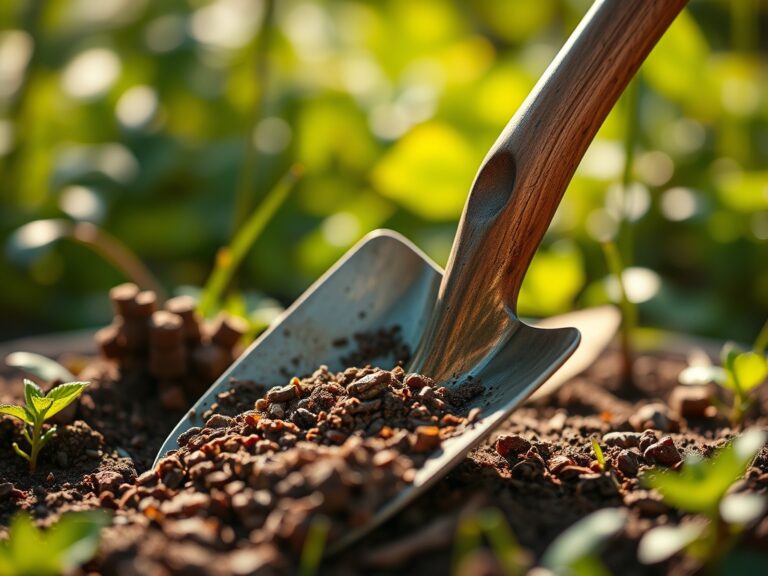
Excavate a hole twice the width of the root ball but no deeper than the original container. The flare of the trunk, where the roots meet the stem, must remain visible at the soil surface. Backfill with native soil rather than heavy amendments to prevent the "bathtub effect," where water accumulates in the planting hole and causes root rot.
Pro-Tip: Inoculate the planting hole with endomycorrhizal fungi. The Biological Why: Mycorrhizal symbiosis creates a secondary root system of hyphae. These fungal filaments are significantly thinner than plant roots, allowing them to access phosphorus and water in micropores that the plant cannot reach on its own.
Establishing
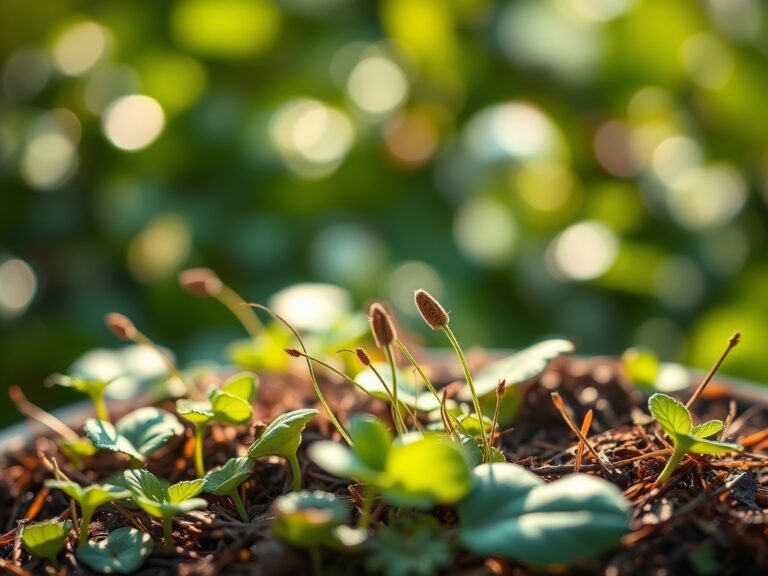
During the first 12 to 18 months, the plant is in the establishment phase. It requires consistent moisture to maintain turgor. Apply a 3-inch layer of organic mulch around the base, keeping it 2 inches away from the trunk to prevent fungal pathogens from colonizing the bark.
Pro-Tip: Avoid heavy nitrogen fertilization during the first three months. The Biological Why: High nitrogen levels stimulate rapid leaf production. If the root system is not yet established, the plant cannot provide enough water to support the increased transpiration surface area, leading to systemic desiccation.
The Clinic:
Physiological disorders often mimic infectious diseases. Accurate diagnosis is essential for corrective action.
- Symptom: Interveinal Chlorosis (yellowing between green leaf veins).
Solution: This indicates an iron or magnesium deficiency, often caused by high soil pH. Apply chelated iron or elemental sulfur to lower the pH and increase nutrient solubility. - Symptom: Leaf Scorch (browning of leaf margins).
Solution: This is a symptom of localized water stress or high salt accumulation. Increase irrigation frequency and flush the soil with 2 inches of water to leach excess salts from the root zone. - Symptom: Anthocyanin Accumulation (purpling of leaves in spring).
Solution: This typically indicates phosphorus deficiency due to cold soil temperatures. As the soil warms above 55 degrees Fahrenheit, phosphorus uptake usually resumes naturally. - Fix-It (Nitrogen Chlorosis): If the entire leaf turns pale green or yellow, apply a quick-release 21-0-0 ammonium sulfate fertilizer. This provides an immediate nitrogen spike to restore chlorophyll production.
Maintenance:
Precision maintenance extends the lifespan of hardy outdoor designs. Use a soil moisture meter to verify that the root zone is damp at a depth of 6 inches. Most established hardy plants require 1.5 inches of water per week delivered at the drip line.
Pruning should be performed with sharp bypass pruners to ensure clean vascular cuts that heal quickly. Use a hori-hori knife for weeding near the base of the plant to minimize disturbance to the shallow feeder roots. For woody shrubs like Ninebark or Hydrangea, remove one-third of the oldest canes at the ground level every three years. This rejuvenation pruning stimulates the production of new, more vigorous wood and prevents the center of the plant from becoming a site for fungal spores due to poor airflow.
The Yield:
While these plants are selected for structural design, many provide secondary yields such as cut flowers or winter interest. For species like Hydrangea paniculata, harvest blooms when 70 percent of the florets are open.
To maintain "day-one" freshness for cut stems, use a sharp knife to make a 45-degree angle cut and immediately submerge the stem in 110-degree Fahrenheit water. This heat reduces the viscosity of the sap and prevents air embolisms from blocking the xylem. For ornamental grasses, leave the dried foliage intact through winter to protect the crown from ice. Cut the stalks back to 4 inches above the ground in late February before the new green shoots emerge.
FAQ:
What is the best time to plant hardy shrubs?
Planting should occur during the dormant season, either in late autumn or early spring. This allows the root system to establish in soil temperatures between 45 and 55 degrees Fahrenheit without the stress of high summer transpiration rates.
How do I fix yellowing leaves on my evergreens?
Yellowing, or chlorosis, is often caused by a nitrogen deficiency or high pH. Test the soil; if the pH is above 7.0, apply aluminum sulfate. If pH is normal, apply a high-nitrogen fertilizer to restore chlorophyll levels.
How much water do new plants actually need?
New transplants require approximately 1 to 2 gallons of water every two to three days during the first month. Use a soil moisture meter to ensure the water is reaching the root ball at a depth of 8 inches.
When should I prune my flowering hardy shrubs?
Prune spring-flowering shrubs immediately after their blooms fade. Prune summer-flowering shrubs in late winter while they are still dormant. This timing ensures you do not remove the buds responsible for the next season's growth cycle.